


Love dessert? Into wine? It’s time to explore these underrated styles.
Some wines tend to get a whole lot of attention, but dessert wines (affecitionately known as stickies here in Australia) aren’t usually among them. Despite often being overlooked, dessert wines are some of the world’s most incredible – they’re loaded with rich, sweet flavours, indulgent, luscious textures, and they can complete any meal.
If you’re yet to explore these unique styles, we get it. Maybe you’re not really into sweet wines, or they might seem a little old fashioned. Whatever the case, you’re missing out some pretty great stuff, so we’ve pulled together a quick need-to-know about this broad collection of wines, along with some top examples to try.

There are various types of dessert wines, but ultimately, the common element among them is a high level of sweetness compared to traditional table wines. While some grape varieties are commonly made in off-dry styles – riesling is a prime example – those slightly sweeter wines aren’t typically considered dessert styles (although plenty will work beautifully with all kinds of post-dinner treats).
The wines that do fall into this category include late-harvest styles, noble rot – or botrytis – wines, sweet sparklings such as moscato, plus ice wines and fortifieds, like port – officially called tawny here in Australia. And even though these wines are all about sweetness, the best of them are balanced with a refreshing acidity to stop them from being too sweet. These styles span an immense spectrum of flavours, production methods, places of origin and serving suggestions, so there’s a good chance there’s a style out there you’re going to love.
Late-harvest dessert wines
Just as the name suggests, these grapes for these wines are harvested later than other varieties. This allows them to fully ripen, and they are then picked past their peak sweetness. The longer the grape stays on the vine, the more concentrated the sugars and flavours become, and this fruit sweetness translates to the final wine. A range of varieties are made in this way, including riesling, semillon, chenin blanc and muscat, but almost any grape can be treated as a late-harvest wine. Some producers make late-harvest reds, but white far outweighs those few styles.
Noble rot or botrytis dessert wines
While it doesn’t sound like something you’d choose to consume, noble rot, AKA botrytis cinerea (commonly referred to as botrytis), is a fungus that helps to create deliciously concentrated flavours. The beneficial fungus thrives in warm, humid conditions, and it’s responsible for some of the world’s best-loved wines, including Sauternes from France’s Bordeaux and Hungarian Tokaji. Semillon and sauvignon blanc make up the famous blend in many Sauternes, but other varieties found in botrytis wines include riesling, pinot gris and muscadelle, to name a few.
Sparkling dessert wines
Champagne and traditional method sparkling wines are made in a whole range of styles, from dry to sweet, but when it comes to sparkling dessert wines, the main one is spritzy moscato. It’s originally from northern Italy’s famed Piedmont region (Moscato d’Asti), and while they are definitely sweet and often spritzy, although not always, these wines are brilliant examples of how freshness and acidity keep a wine light and lifted.
Ice wines
Grown in the coldest climates, ice wines are made from grapes that are left on the vine to freeze in sub-zero conditions. The water in the grape freezes, but not the sugars, flavours and aromatics, and this results in super concentrated and intense wines. Given the required climate to create these wines, it’s no surprise they are a specialty of countries such as Germany and Canada.
Fortified wines
Many would argue that fortified wines are a category all of their own – and they really are – but when you’re talking about sweet wines perfect for after dinner, it’s impossible not to include fortifieds. Many styles fall under this broad label, and Australia makes exceptional examples across the lot, several of which now have their own Aussie names. These include tawny (port), muscat, apera (sherry) and topaque (tokay). There is a long history and generations of know-how behind our Aussie fortified wines, and you can expect rich, syrupy and intensely flavoured styles.
Dessert wines to try
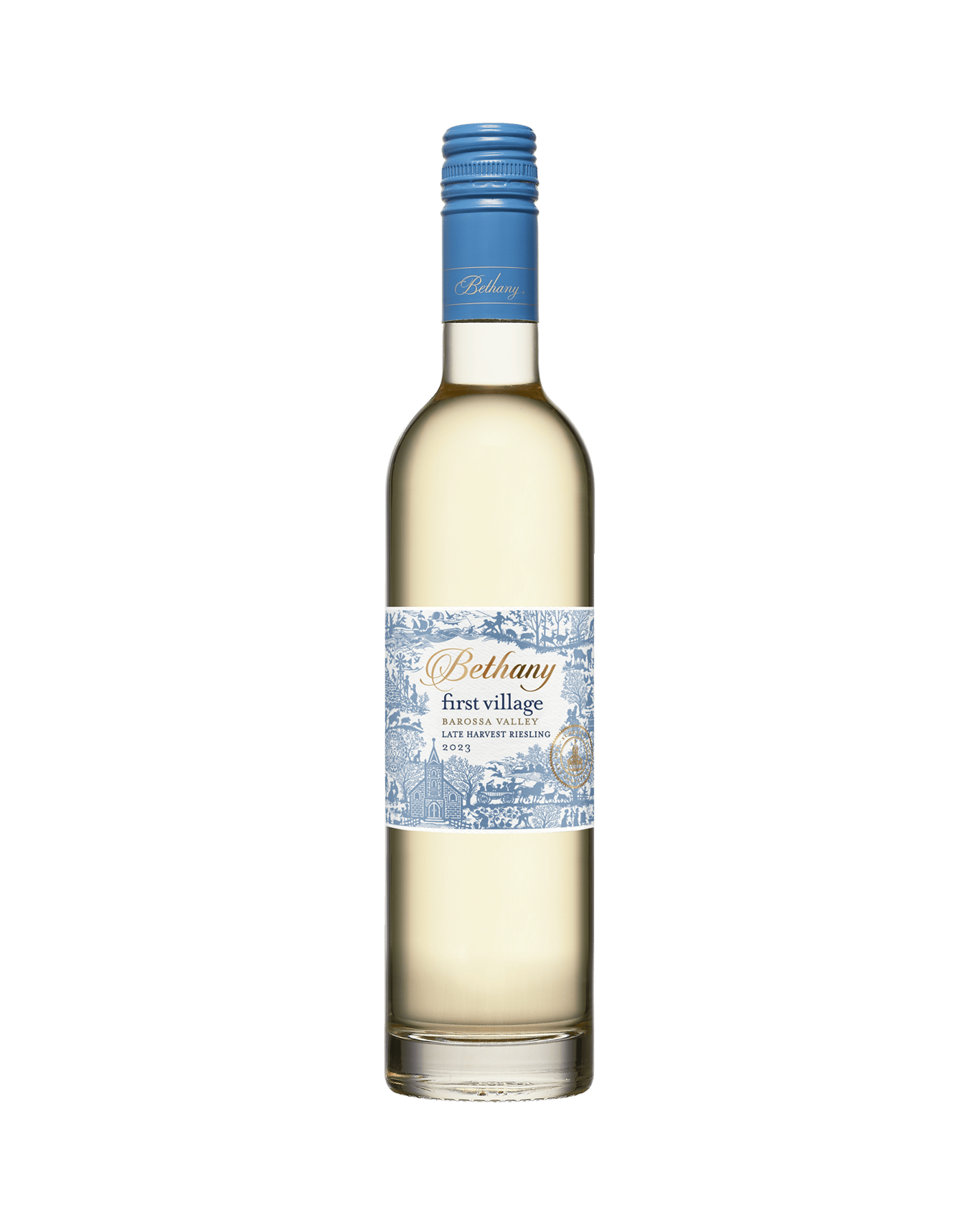
1. Bethany Late Harvest Riesling
This wine showcases citrus fruit flavours and a creamy honey sweetness, which is all backed up by crisp, fresh acidity, which balances the natural fruit sweetness. The team behind this Barossa winery recommends pairing it with spicy Asian dishes and fruit-based desserts.
Click image to shop
Click image to shop
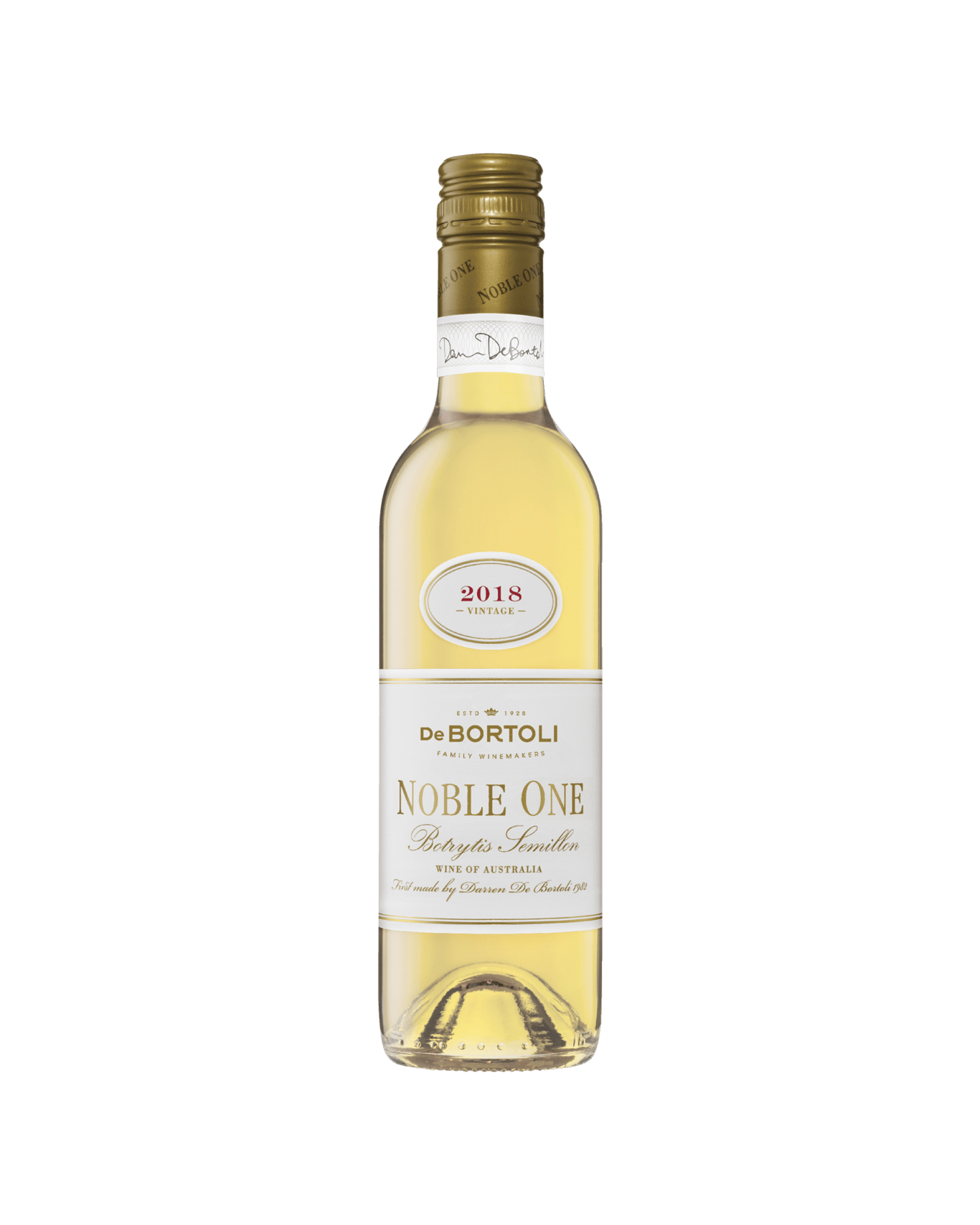
2. De Bortoli Noble One Botrytis Semillon
An iconic wine, and one of the first in Australia to embrace botrytis, this is an excellent example of everything great about these wines. Expect aromas of rich apricot, toffee and fig, which follow through to flavours of dried apricot and orange blossom honey. Sweet and complex, this is a dream pairing with poached pears in honey or a fruit flan.
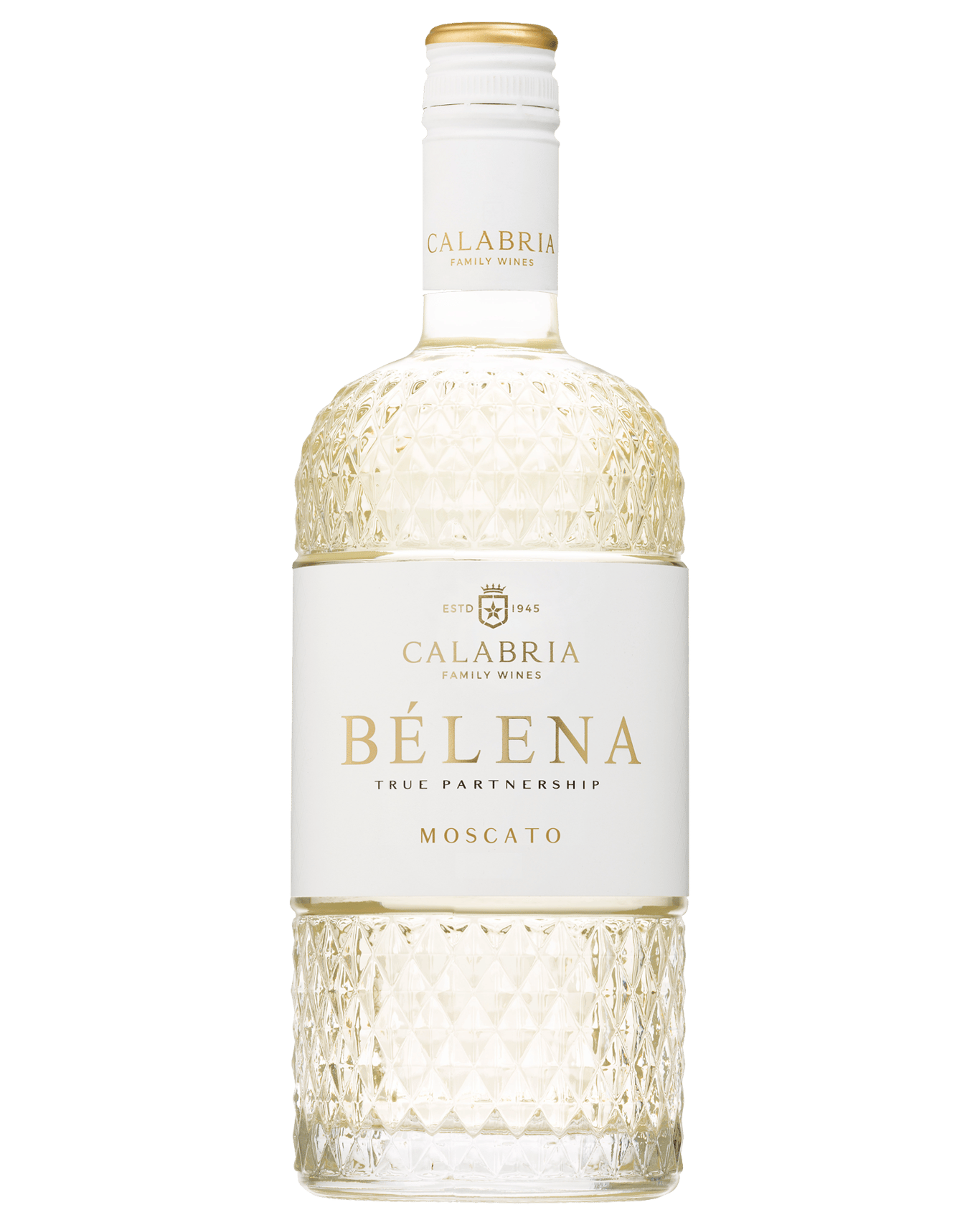
3. Belena Moscato
Calabria Family Wines dates back to 1945, and their proud Italian heritage shines in their spritzy take on moscato. It has sweet aromas and flavours of honeyed apricot and citrus, which come together to create a refreshing style of moscato (you can’t miss that bottle). We’re pairing this one with pavlova or a big platter of fruit.
Click image to shop
Click image to shop
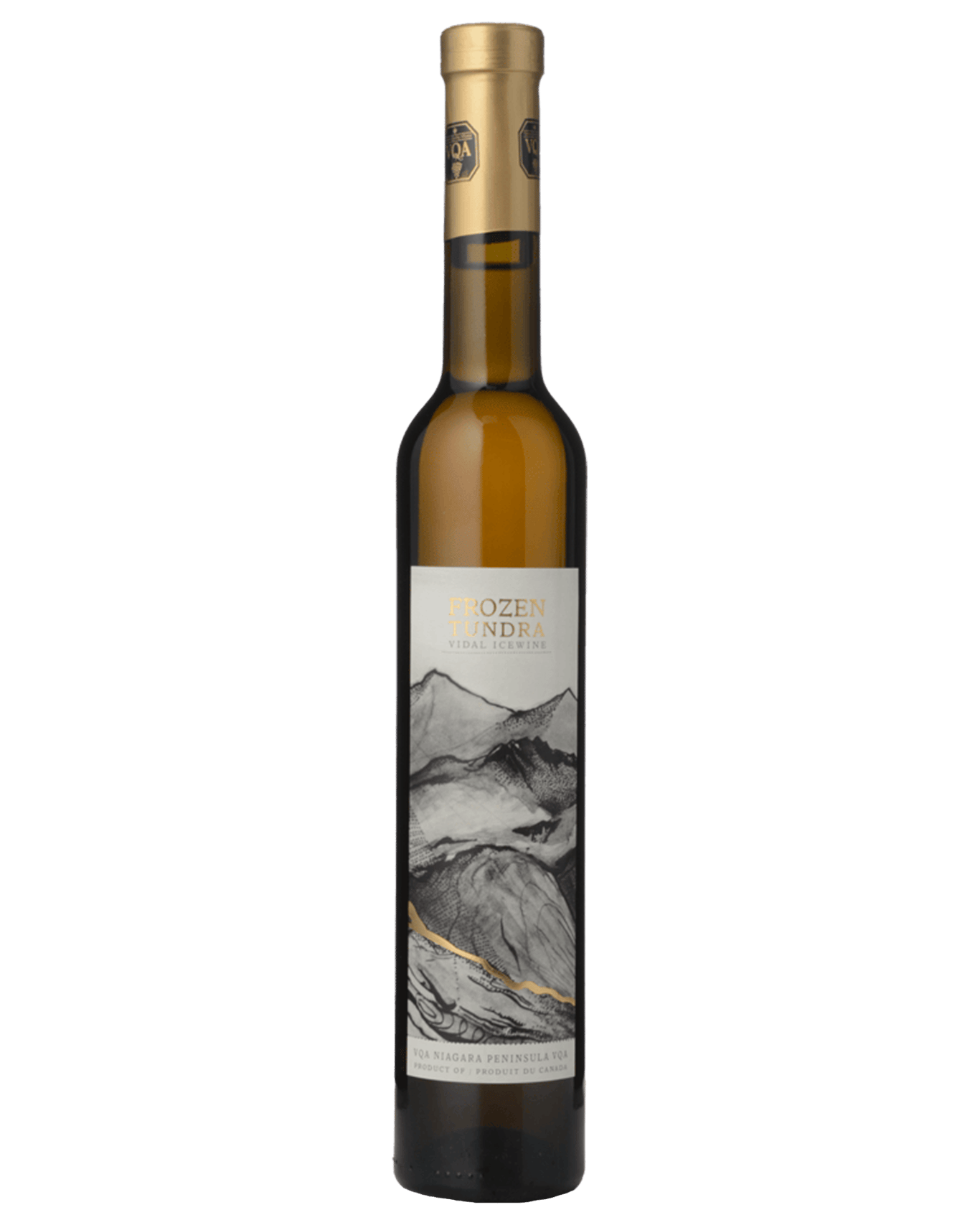
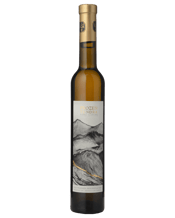
4. Frozen Tundra Vidal Ice Wine
This Canadian ice wine is stocked around the country, but in limited numbers, so keep an eye out for it because it’s worth tracking down. It’s floral, sweet and balanced, with intense tropical notes and honeyed characters, and the velvety texture really sets this apart. For a truly indulgent pairing, this is crying out to go with a rich paté and good bread.
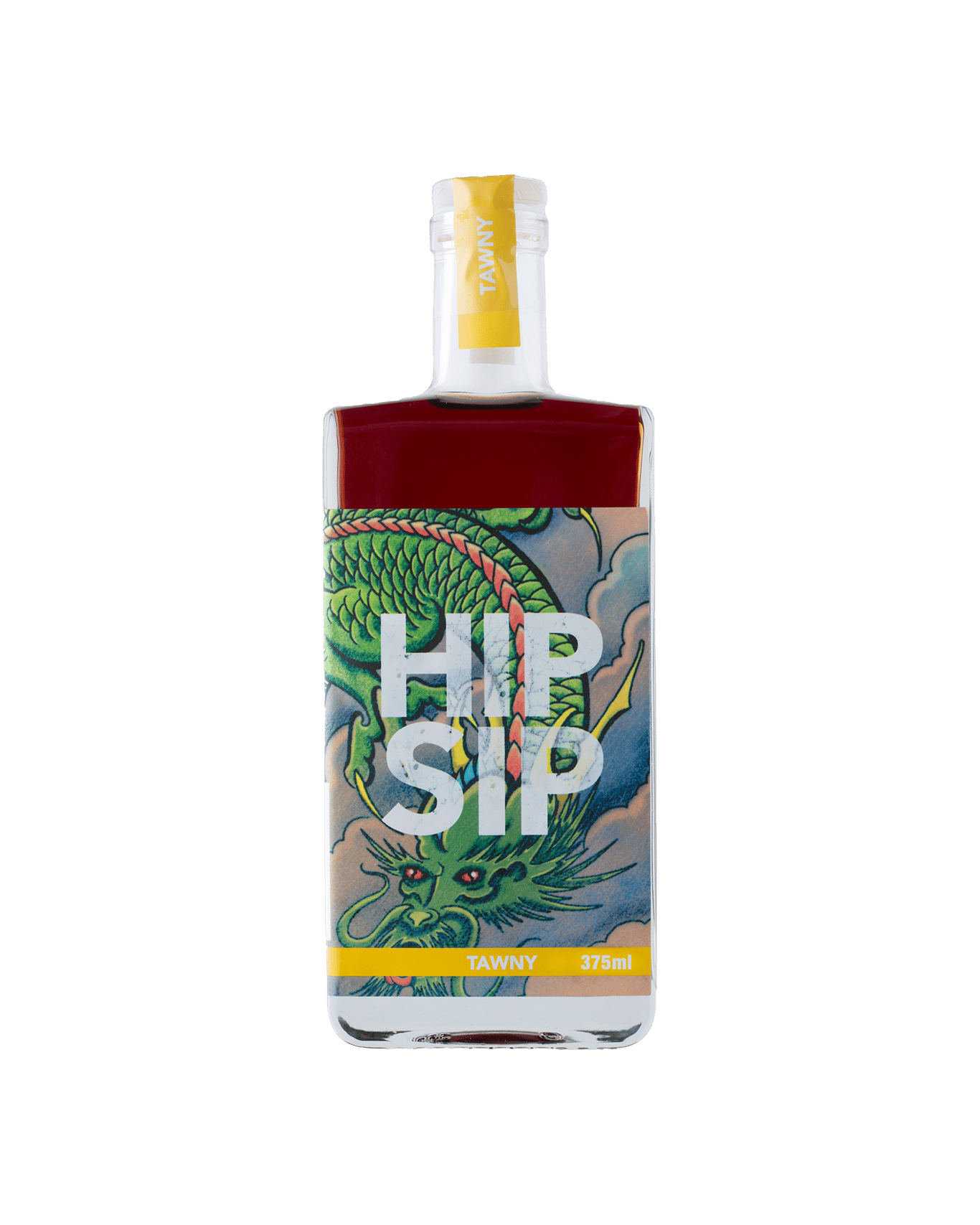
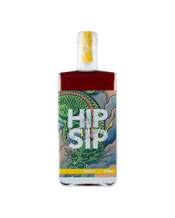
5. All Saints Estate Hip Sip Tawny
If you’re newer to the world of port, or tawny as it’s called here in Australia, this is a brilliant introduction. It comes from All Saints Estate in northeast Victoria, where they have a long history of making special fortifieds. This is sweet, nutty and blended to be super approachable. The perfect addition to a loaded cheese plate, blues especially welome.
Click image to shop



%20(1)?$dans-daily-web-image$&hei=900)
?$dans-daily-web-image$&fmt=png-alpha&wid=800)