Everything you need to know about zero%* wine, from how it’s made to why it’s getting better than ever.
Not so long ago, the words “non-alcoholic wine” would have been met with a polite smile and then quietly sidelined at the dinner table. Today? They’re winning gold medals at prestigious wine competitions – and a cohort of loving fans. These wines have gone through an incredible transformation in recent times, so if you haven’t tried a great non-alcoholic wine, you’re in for a treat.
Ahead, we have everything you need to know about non-alcoholic wines, plus seven top examples to try.
Non-alcoholic wine is produced in a similar way to regular wine, but with a few other key steps involved. One common process that winemakers use to remove alcohol is vacuum distillation. By heating the wine in this process, the wine is separated into alcohol, flavour compounds and water. The flavour and water then get blended back together, and producers work to balance the final wine, sometimes adding some of the original grape juice and other flavours to round it out.
Another process used to remove alcohol from wine is called reverse osmosis. Here, the wine is filtered through a membrane, but this is ideal for lower-alcohol wines – not necessarily for non-alcoholic wines, which sit at 0 to 0.5% ABV.
New methods are always being explored, and Spinning Cone Column technology was pioneered in Australia. This method uses centrifugal force and nitrogen gas to gently separate alcohol and aromatic compounds from the wine in two steps. In the first, delicate aromas are extracted and preserved. In the second, the remaining liquid is dealcoholised. The two are then recombined to create a wine that still reflects its original character.

These are two distinct categories, and the difference is more than just numbers on a label. Zero% or non-alcoholic wine contains less than 0.5% ABV. The alcohol has been actively removed from a fully fermented wine, as mentioned above. Low-ABV wine – typically sitting between 0.5% and 9% ABV – takes a different approach.
Rather than removing alcohol after fermentation, winemakers either use techniques to limit alcohol production during fermentation (such as picking grapes earlier when sugar levels are lower, or using yeasts that produce less ethanol), or they gently reduce the alcohol content by a few degrees rather than removing it entirely, as with the reverse osmosis method.
A few years ago, the honest answer would have been: sometimes. Today, the answer is a much louder, emphatic yes. The category has faced a challenge from the start: alcohol isn’t just booze, it acts as a solvent that carries flavour compounds to your taste receptors, contributes body and texture, and provides that characteristic warming sensation and finish. Remove it, and you’re not just losing the alcohol – you’re changing the fundamental structure of the drink.
Early non-alcoholic wines compensated poorly for this, often tasting thin, sweet, or a lot like grape juice. But technological leaps over the past five to 10 years have changed everything. Newer spinning cone and vacuum distillation methods, as mentioned above, are much better at preserving those all-important aromatics and flavours. Winemakers have also learned to make adjustments, using glycerol for body, tannin additions for structure, and careful blending, to create wines that genuinely deliver on the promise of their varietal.
White wines and sparkling wines have led the quality charge. Styles like sauvignon blanc, pinot grigio and sparkling wines translate particularly well as zero-alcohol wines because their character is so much about fresh aromatics and acidity. That’s in comparison to the heavier tannin and oak structures that make red wines more challenging to dealcoholise, but reds are catching up fast. Producers are working to master the art of ensuring reduced-alcohol wines retain the expected tannin structure and layered fruit flavour that you find in the likes of traditional shiraz, pinot noir and cabernet sauvignon.
7 zero%* wines to try
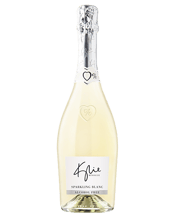
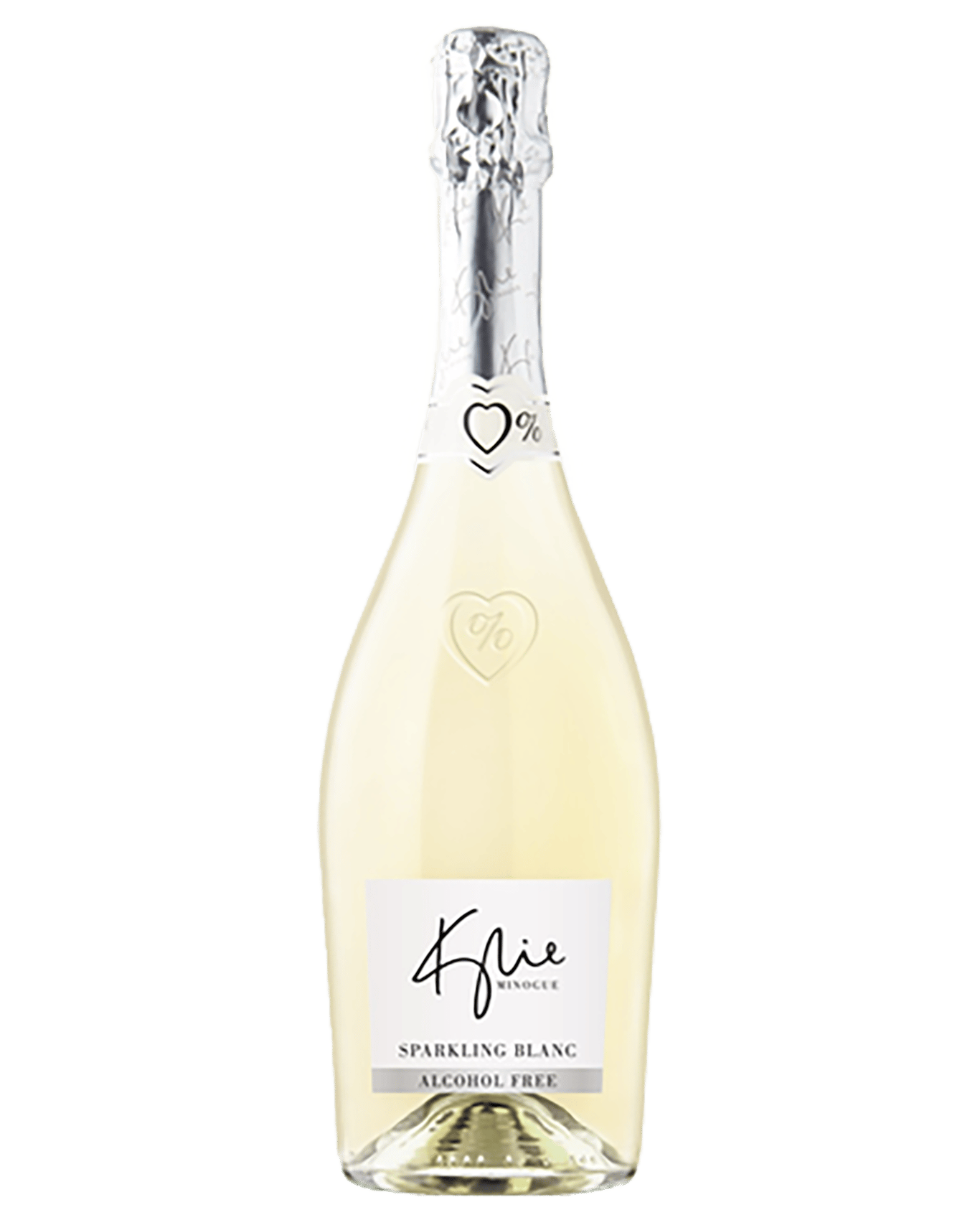
1. Kylie Minogue 0% Sparkling Blanc
If you're after a sparkling that feels like a proper celebration without the alcohol, this is it. Elegant and refreshing, the sparkling delivers delicate notes of jasmine and a refined, crisp finish that makes it perfect for any occasion — from a mid-week dinner to pre-drinks before a big night out. It's vegan and vegetarian friendly, and a true alcohol-free bottle.Alcohol-free sparkling wine with floral notes
Click image to shop
Click image to shop
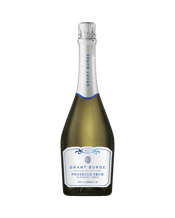
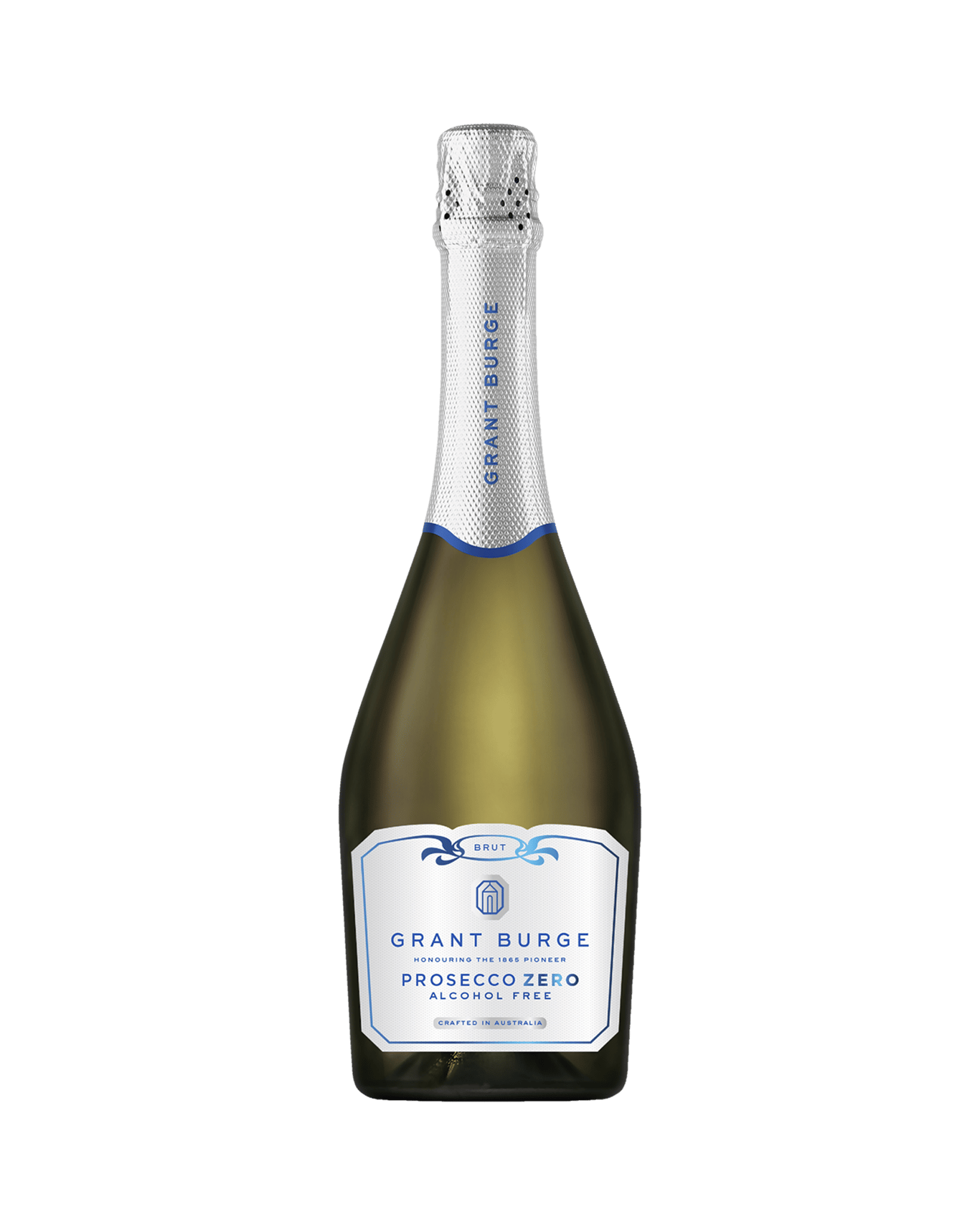
2. Grant Burge Prosecco Zero
Here you get all the fun of a classic prosecco with absolutely none of the alcohol. Crafted in South Australia from cool-climate fruit, this light-bodied, dry sparkling bursts with flavours of crisp green apple, juicy lemon, and white peach. Think sherbet, but liquid, and in a glass.
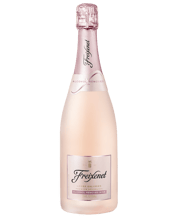
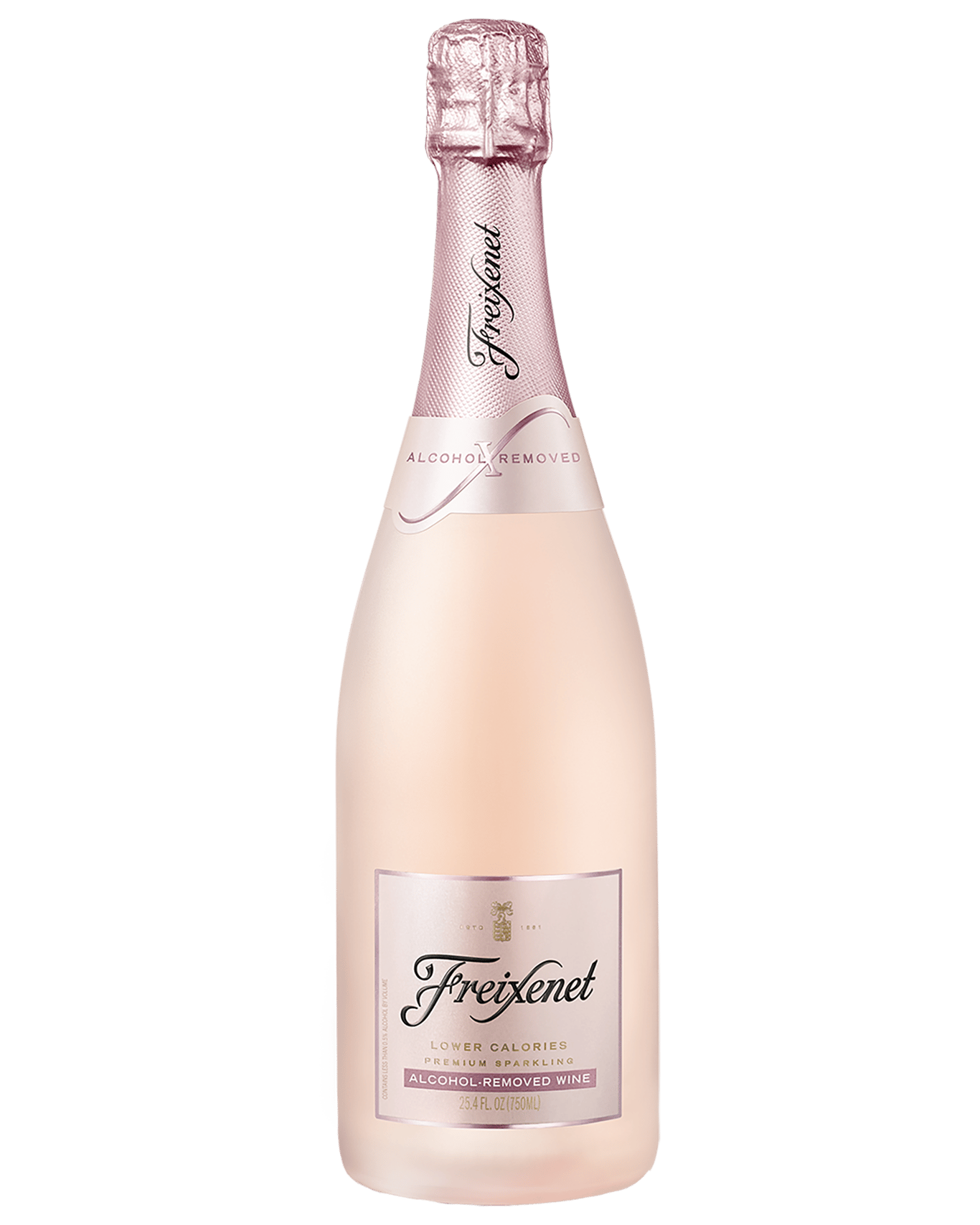
3. Freixenet Alcohol Removed Sparkling Rosé
With nearly a decade of perfecting their zero-alcohol sparkling, Spanish winery Freixenet is a safe bet for zero-drinkers. This is a beautifully pale pink sparkler with persistent bubbles and aromas of wild berries, raspberry, strawberry, floral notes and a hint of tropical fruit. On the palate it’s fresh and fruity with well-balanced acidity and a refreshing mouthfeel that keeps you coming back for more. It's also vegan friendly, low in sugar and even won a gold medal at an international wine competition.
Click image to shop
Click image to shop
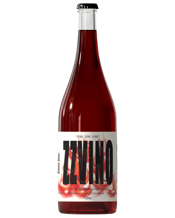
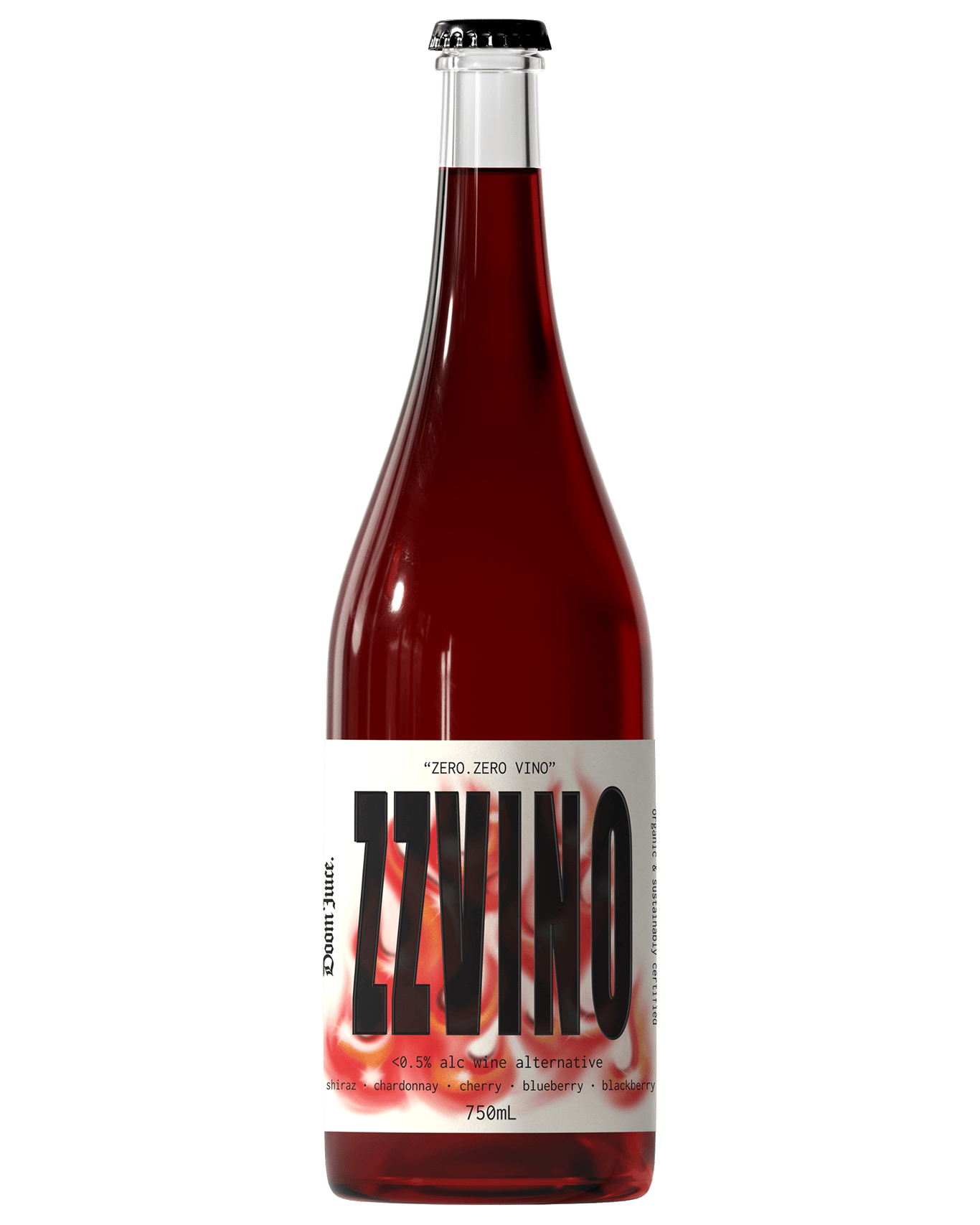
4. Doom Juice Zero Zero Vino
Juicy cherry, blackberry and blueberry flavours and a light, lively sparkle makes this drop feel like a proper glass of wine. It also comes with good karma as Zero Zero Vino is made using grape pomace. Translation? These are the skins left over from winemaking that would typically be discarded. This is waste made into something well worth drinking. It's Organic Certified, Sustainable Wine Australia Certified, and proof that zero-alcohol doesn’t mean zero soul.
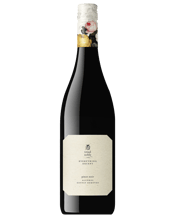
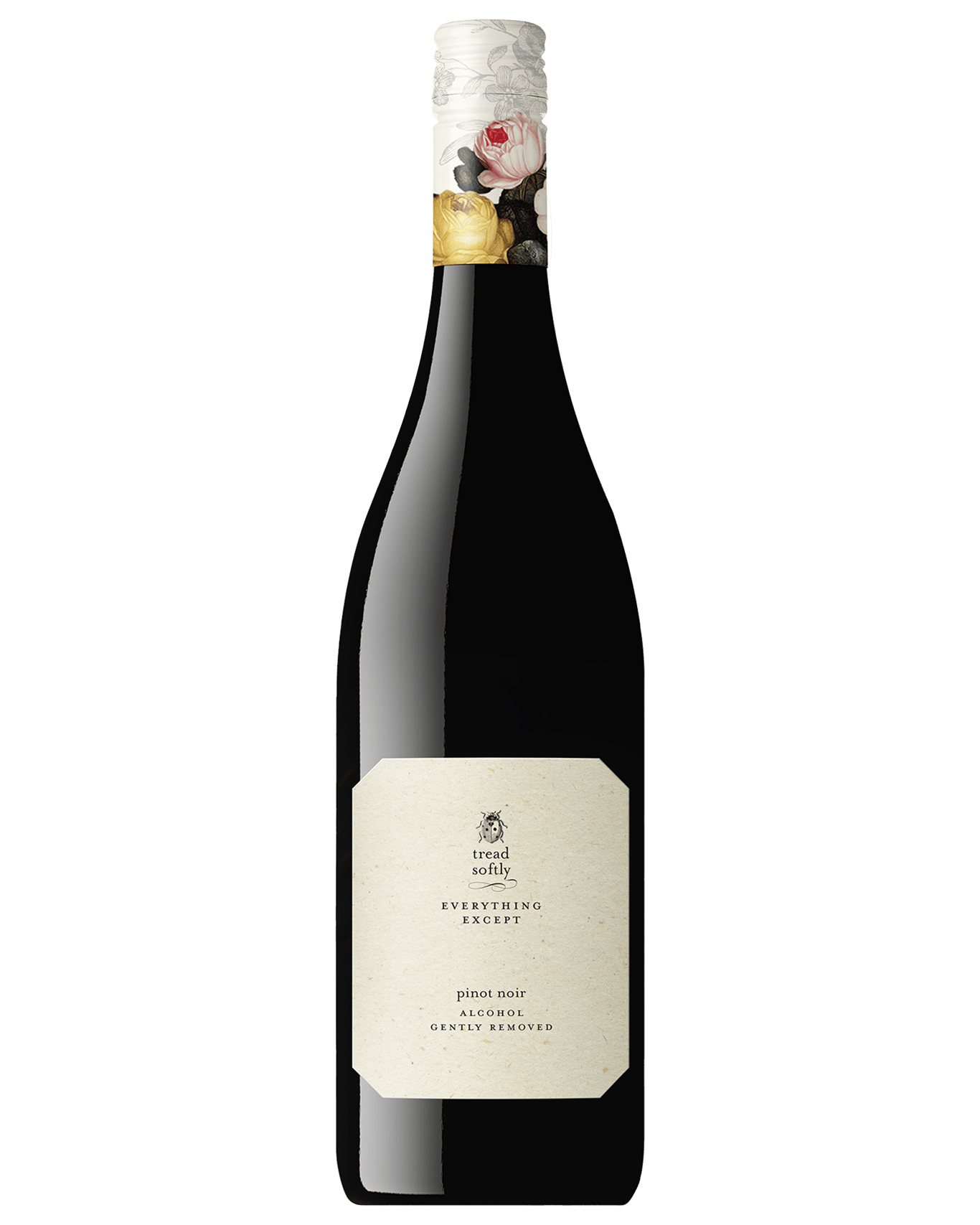
5. Tread Softly Everything Except Pinot Noir
Smooth and easy drinking, this zero-alc bottle is a solid companion for a backyard barbecue or Friday dinner. Good for your glass, and also the environment, Tread Softly is certified sustainable, and for every case sold, a tree gets planted in their dedicated forest — with more than three million trees in the ground since 2019.
Click image to shop
Click image to shop
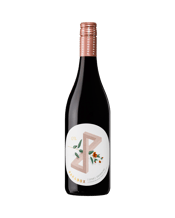
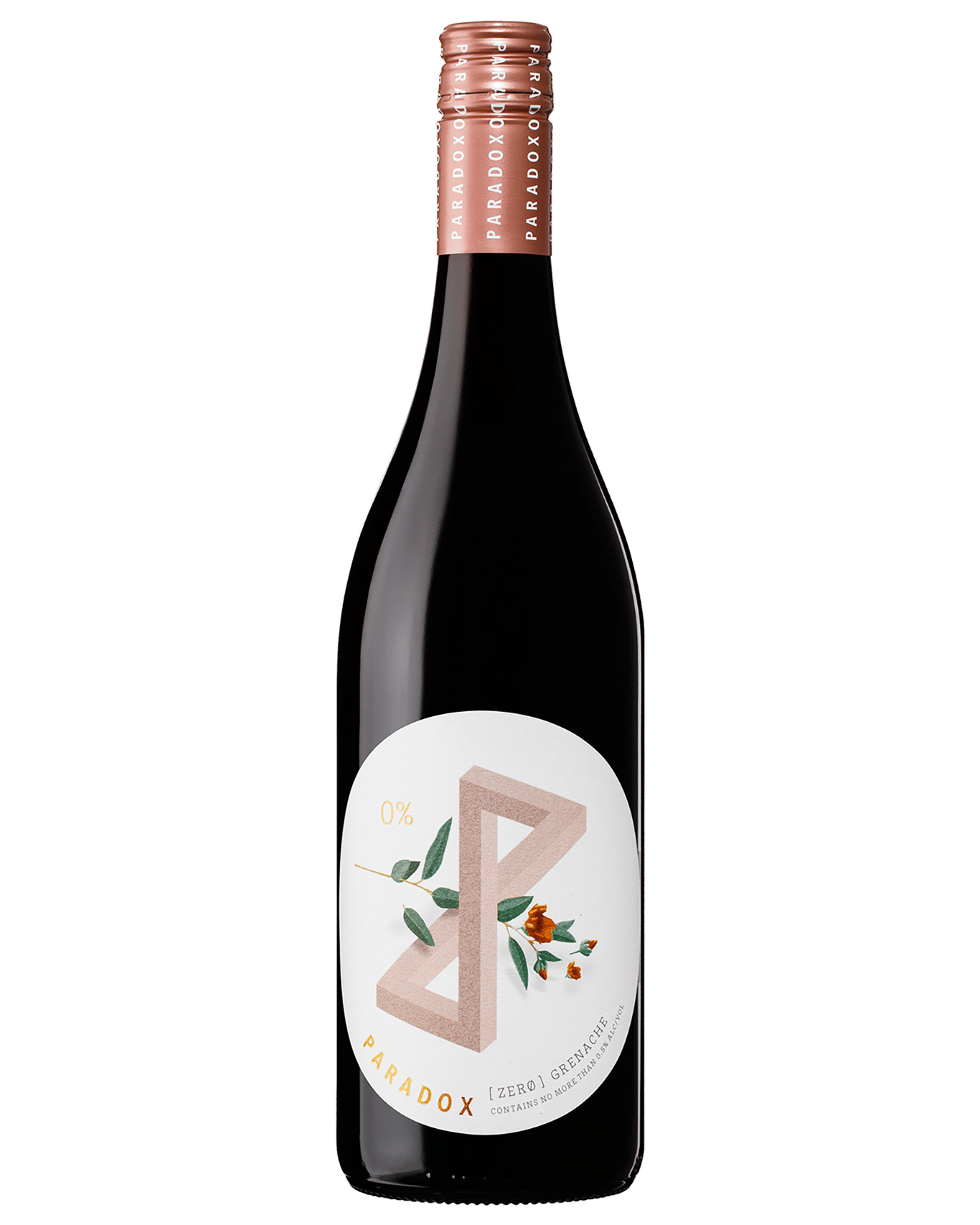
6. Paradox Zero Alc Grenache
A zero-alcohol red with body and oomph, this grenache has had the alcohol gently removed after the fact, meaning you're getting a proper wine experience. On the nose it’s all delicate raspberry and red plum, while the palate delivers ripe red fruit and a hint of sweet spice that keeps things interesting.
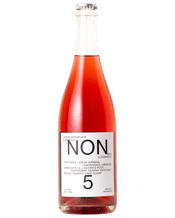
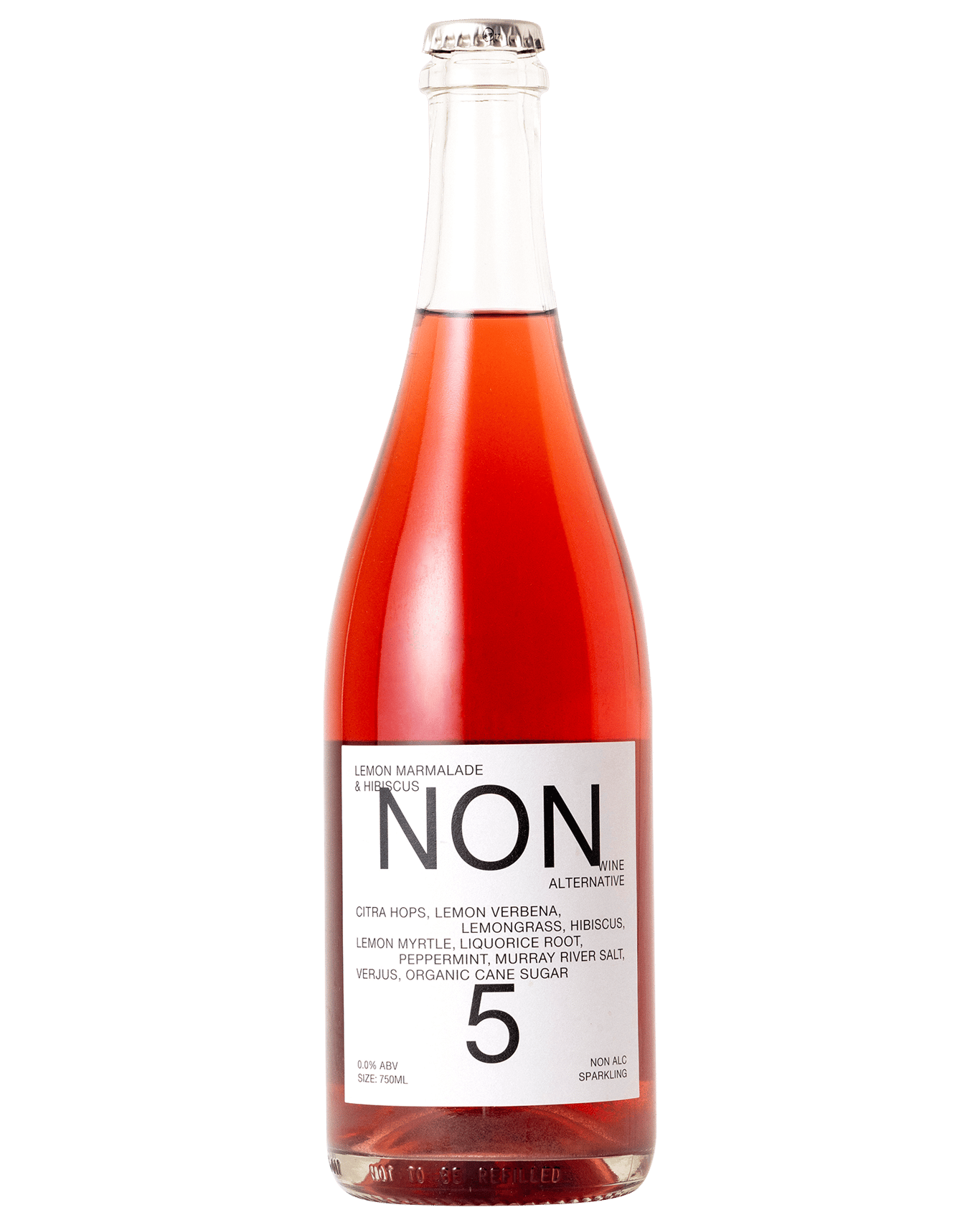
7. NON 5 Lemon Marmalade & Hibiscus
For something different, seek out Melbourne-born NON. This sparkling Lemon Marmalade & Hibiscus sits somewhere between a crisp wine, floral tea and sour beer. It has a striking orange-red hue and zesty preserved lemon and tangy marmalade notes, while hibiscus brings a soft, floral lift. Lemongrass, lemon myrtle, peppermint and a touch of hop bitterness add herbal depth and a clean, refreshing finish. Vegan, gluten-free and halal friendly – and just 18 calories per serve – this isn’t technically a non-alcoholic wine (it’s made from tea), but it delivers a level of complexity that rivals traditional wine.
Click image to shop
*contains not more than 0.5% ALC/VOL
For more non-alcoholic drinks, check out our other stories that are full of great beer, wine and spirit alternatives to try.