


It’s on bar menus everywhere, so we talk to the sherry champions behind Melbourne’s Three Horses to find out why.
You’ve seen it. Said it. Probably skimmed past it on a bar list without a second thought. For nearly two decades (maybe longer), it’s been quietly making its way onto menus, from neighbourhood joints to World’s 50 Best darlings (including Melbourne’s beloved Caretaker’s Cottage). No grand entrance. No headline billing. Yep, that’s sherry.
Bartenders reach for it when a drink needs tension. When sweetness needs pulling back. When brightness needs a bit of spine. It’s the supporting act that steals the scene – if you’re paying attention. And while this writer would’ve happily kept sherry under wraps, the cat’s well and truly out of the bag. Sherry is finally getting its moment.
We’ve already done the deep dive on sherry – the styles, the solera, the why-it-tastes-like-that of it all. But what we want to know is why sherry is suddenly everywhere. And why are drinkers suddenly paying attention? So, we spoke to sherry champions Rob Libecans, co-owner of Three Horses (and Caretaker’s) and Janet Hunter, head of sherry at Three Horses, about the shift.

Sherry is a fortified wine from Spain’s Marco de Jerez in Andalucía. The word is an anglicised version of Jerez and, like Champagne or tequila, it can only be made in its protected home: the Sherry Triangle – Jerez de la Frontera, El Puerto de Santa María and Sanlúcar de Barrameda. Made exclusively from white grapes, dry styles – Spain’s most popular – rely on palomino fino, while sweeter expressions use Pedro Ximénez (PX) and moscatel. All true sherry is aged in the region using the solera system, where younger wines are gradually blended with older ones in barrel. It means a single bottle can contain traces of decades of vintages.
Sherry’s distinctive character comes from the Spanish region’s chalk soils, warm Atlantic winds and, crucially, flor: a native yeast that forms a protective veil over the wine during ageing. As Janet says, “Once someone gets a taste for sherry, they quickly realise how vast the category is.” Styles span from bone-dry, crisp finos and manzanillas through to nutty amontillados, complex palo cortados, rich olorosos, and intensely sweet Pedro Ximénez.
“Each style is a reflection of its ageing journey,” Janet says. That sense of evolution is the point – once you start exploring, there’s always another nuance, cask or bottle with a different, fascinating story to tell.
Sherry has travelled a long way from its home in southern Spain. Until recently, it was largely an in-the-know drink. Now, it’s stepping out of the cellar and into Aussies’ glasses. Even our own fortified sherries, now known as apera, are carving out a confident identity of their own.
In truth, Australians have been tasting sherry’s influence for decades, even if they didn’t know it. “Sherry casks or barrels are an integral part of the whisky industry,” explains Rob. “Houses like The Macallan and Highland Park use sherry casks across their whole ranges to amplify and unify their signature liquids – even wineries across Australia are adopting sherry-ageing methods across products like sparkling wine to bolster their tastes and palate weights.”
Our Aussie apera is super distinct and exciting, with many winemakers experimenting with their own flor to create a completely individual expression of terroir. Much like sherry from Spain, apera can be sweet, rich or drier in the style of fino or manzanilla, depending on age, flor, solera or grape.
While each sherry style carries its own signature flavour, running through them all is a subtle but distinctive line: a savoury, nutty, almost umami character that makes sherry one of the most food-friendly wines in the world. In Spain, you’d be hard pressed to order a chilled glass without a plate of something alongside it.
“Food pairing is a huge part of sherry culture,” explains Janet. “Even in places that don’t serve food, small pours keeps the wine fresh and invites conversation – you order another, stay a little longer, chat to the person standing next to you.” Eventually, a small snack like chips or olives may appear.
If you want a pairing that sings, keep it simple: ice-cold manzanilla and slices of Jamón Ibérico. The wine’s salty snap and nuttiness are a perfect match for the subtle nut flavours of Iberico, a ham that comes from the famous free-range, acorn-fed Iberico pigs.
So, if this umami-rich, complex, wildly food-friendly wine has been around for centuries, why is it only having its moment now? “We’ve always had sherry in cocktails at Caretaker’s Cottage. The only difference at Three Horses is we tell people about it,” Rob says.
Generally, this comes down to changing palates and people now really leaning into umami, salty flavours. “When we looked at three years of our cocktail sales, six of the top 10 included sherry in them,” says Rob. “We didn't ever think that guests would order them for their inclusion of sherry – we believe those drinks stand out because of what sherry adds to those cocktails.” And that, he says, is added complexity and length of flavour.
When Rob is building a drink, he rarely reaches for sugar or salt first. Instead, it might be a splash of manzanilla – not just for a flicker of salty notes, but to stretch and elevate the sweetness already in the drink. Or he might add a touch of Pedro Ximénez to a whisky cocktail to enhance the caramel and toffee notes and bring extra depth.
This is all on show at Three Horses, particularly in their Jabberwock cocktail. “It’s essentially a Gin Martini with the inclusion of a fino-style sherry,” Rob says. The sherry brightens the Martini, but also adds a depth of flavour that lingers. For something a little lighter, Rob suggests their Cobbler, which is sherry and fruit served over crushed or pebble ice. “Think citrus and berries with a dry-style sherry, served ice cold,” Rob says. Perhaps more traditionally Spanish is the low-alc Rebujito – a mix of chilled fino or manzanilla with lemon, lime and soda water. And at the other end of the spectrum, sherry can slip seamlessly into spirit-forward territory. Swap in a darker style into an Old Fashioned – perhaps an oloroso for richness, or even a touch of PX if you like it sweeter – and the classic cocktail takes on a deeper, more layered edge.
To really get to know sherry, however, a seemingly simple fino and tonic is the way to go. “Tall, refreshing, low alcohol, salty, fresh and a touch bitter – there aren't many two-ingredient combinations that can match that level of complexity,” says Rob. “I haven't looked back in 20 years of enjoying this drink – so much so that it was the first drink I wanted on the menu at Three Horses.”
Click image to shop
Five of our best sherries to try
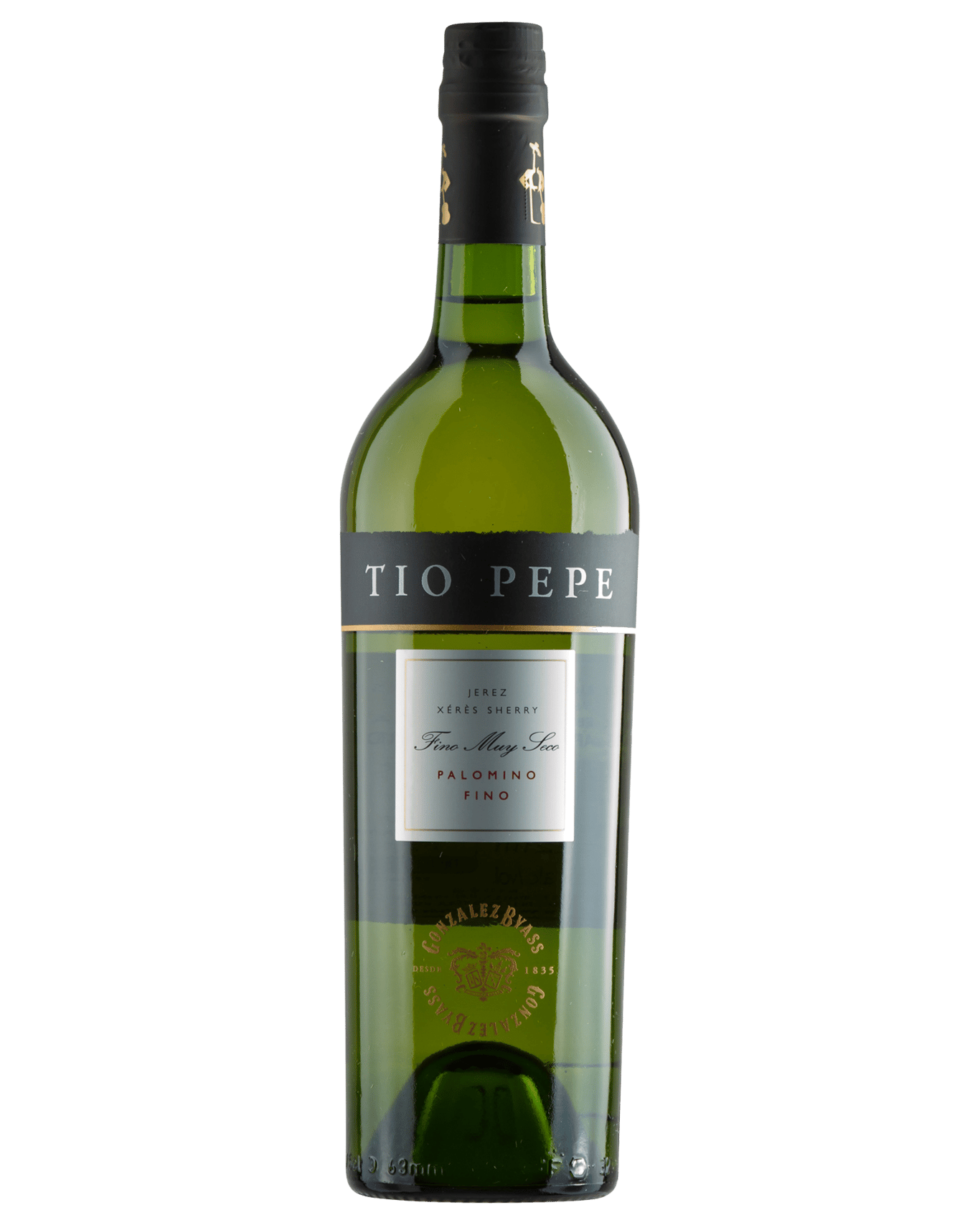
1. Fino: Gonzalez Bypass Tio Pepe Fino
This fino sits at the bone-dry end of the sherry spectrum. Made from palomino fino grapes, it’s defined by its brisk acidity and its time spent ageing beneath a veil of flor yeast for at least two years. That layer shields the wine from oxygen, preserving its pale colour, freshness and distinctive saline edge. It’s a style that demands to be served properly cold, preferably with some chippies or olives with it.
2. Amontillado: Principe Barbadillo Amontillado
Amontillado is where delicacy meets depth. Expect warming spice, toasted almond and a long finish from the Príncipe Barbadillo. It’s technically dry, yet the richness and roundness can give the impression of sweetness – a kind of savoury illusion. Serve this closer to cellar temperature and enjoy the umami.

Click image to shop
Click image to shop
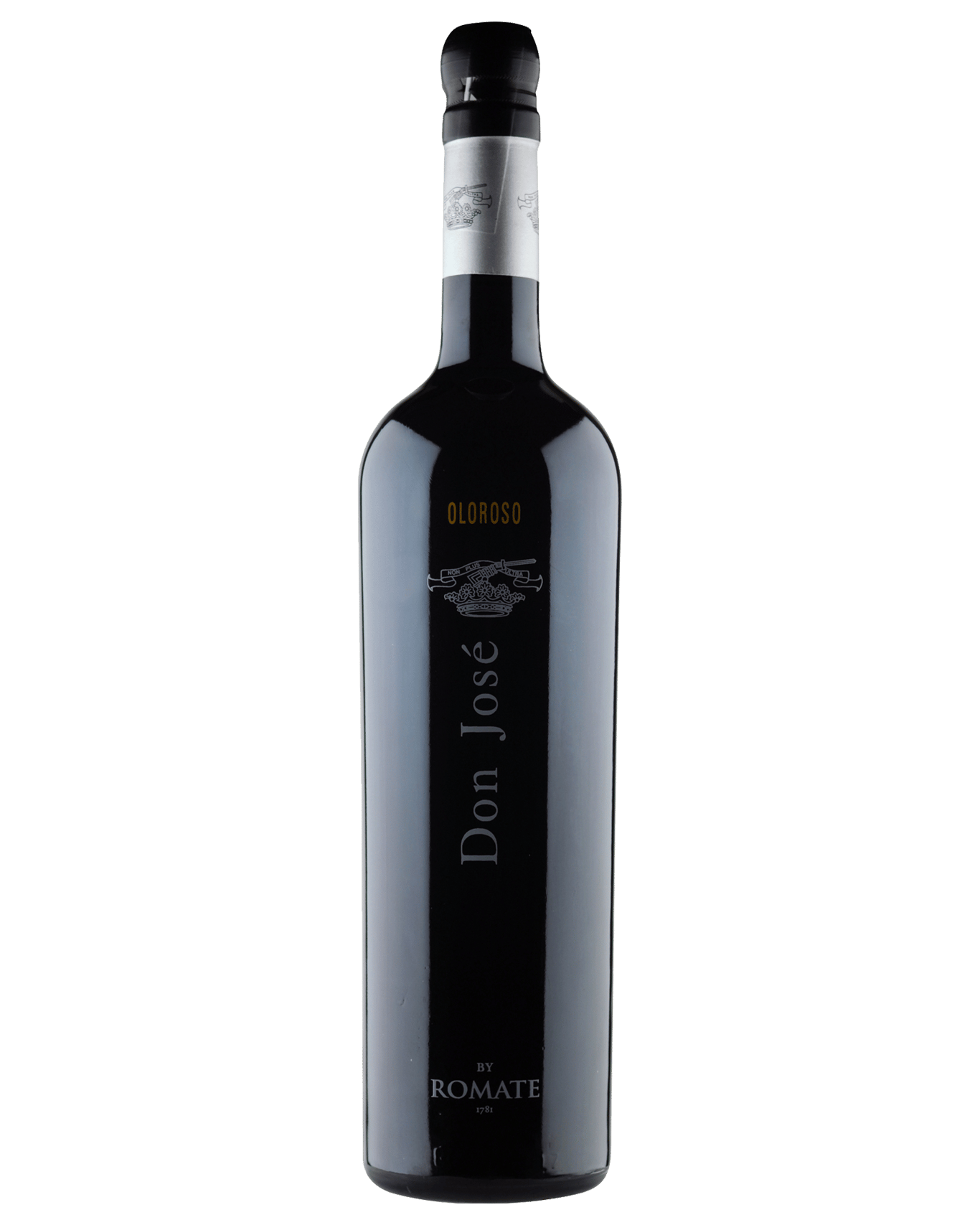
3. Oloroso: Sánchez Romate Don José Oloroso
Oloroso skips the flor, entering the solera at higher alcohol, which keeps it firmly dry despite a naturally rich, almost sweet mouthfeel from glycerol – a fermentation by-product that adds weight and texture. The Sanchez Romate Don Jose Oloroso is a great introduction to the category. Expect dark, rich nutty flavours with a good flash of walnut, yet also a soft and delicate style. Serve this just below cellar temperature to show its best.
4. PX: Toro Albalá Don PX Gran Reserva Pedro Ximénez
After close to 30 years in barrel, the 1999 is all swagger and silk. The nose leans headfirst into raisin and licorice, with a lift of geranium and dried grape. The palate? Lush and unapologetic – think crushed raisin, espresso, dark chocolate and roasted almond, with a finish that just won’t quit. A proper fireside sip, served room temp.

Click image to shop






%20(1)?$dans-daily-web-image$&hei=900)
?$dans-daily-web-image$&fmt=png-alpha&wid=800)