


We can’t all be heading to Munich right now, so here’s the lowdown on the best beers to mark the festival at home.
Germany hasn’t always been a unified country, but Germanic people have long come together over beer. Those denizens of Deutschland even have laws about how it can be made, called Reinheitsgebot, which form a very strict interpretation of what beer can be (we have more on that below). That doesn’t mean that German beer is all the same, though – if you travel across the country, you’ll find dozens of different styles and regional variations. And that’s a road trip worth taking.
Another way Germans come together over beer is Oktoberfest – the annual Munich beer festival of steins (which are technically called masskrug), lederhosen and celebration that puts the rest of the world to shame. Traditionally, there are usually just two beers for Oktoberfest – märzen and festbier – but when the rest of the world jumps on the Oktoberfest bandwagon, most German beer styles are fair game.
If you’re gearing up to celebrate Oktoberfest this year (September 19 to October 4 in Munich, but all of October for the rest of us) or you are keen to get your tastebuds around some of Germany’s best beers, we thought it was time to go back to basics. Here’s everything you need to know about German beer.
In most countries, beer needs four ingredients: malt, water, hops and yeast. Beyond that, brewers can get pretty creative (and downright wacky at times) by adding things like chocolate, coffee, fruit, lactose, other types of malt and a bunch of other different ingredients that take beer way beyond its humble origins. In Germany, those strict laws known as Reinheitsgebot restrict beer to just barley malt, hops and water (yeast wasn’t really understood when the law first came about in 1516 but consider it part of the package).
They say that limitation breeds creativity and German brewers are evidence of that. Sure, they can’t make pastry stouts or smoothie sours according to medieval law, but there are still hundreds of types of hops and barley, and nearly infinite ways to play with recipes and still colour within the lines. These tend to vary by region, with cities and states favouring certain brewing techniques or flavours to create the following styles.
Helles
Don’t let the name fool you – it might sound like the name of a horror movie, but helles beers are pure of heart and full of flavour. Helles are lagers from Munich, with a good whack of malt that makes for a smooth, easy-drinking style that’s perfection with grilled meat.
Dunkel
Dunkel means ‘dark’ in German and that’s all about the malt here, which is a rich brown colour thanks to the barley getting a little toasted. This means that this Munich lager is often a little bready in all the best ways, with some light chocolate flavours coming through, too. Put this style next to a cheeseburger and let it work some magic.
Pilsner
The German pilsner came after the Czech original, but this light-bodied, hopped-up lager is very much in the same style. Crisp, a little bitter and quite dry, German-style pilsners are designed for freshness and drinkability, so consider these a serious contender for your new favourite summer beer, ideally paired with soft cheeses or a spicy curry.
Kölsch
The city of Cologne (or Köln) has its own favourite local specialty beer – the kölsch. Very light in colour, malt and hops, these are soft, easy-going styles that technically sit between lagers and ales in terms of how they’re brewed. One of the local dishes is schnitzel, so you know what to do next time you’re serving kölsch.
Weizenbier
So, it turns out that not all German beer has to be brewed with only barley malt. Weizenbier, as the name suggests, are wheat beers – and there are plenty of different styles. For example, the classic hefeweizen is soft, floral and cloudy, while the Berliner weisse is a slightly sour, typically low-alc version that is often flavoured with fruit syrups in summer.
Schwarzbier
The name means ‘black beer’ in German, but this is no stout or porter. Instead, schwarzbier is a lager made with dark malts, so you end up with a beer that’s a little roasty with some subtle coffee flavours, but still crisp and light like a typical lager. Great with sandwiches on dark rye bread or a rich winter stew.
Märzen
The märzen name has been around for a while (basically just being beers brewed in the month of March, hence the name), but today’s versions come straight out of Oktoberfest 1872. Märzen are golden, amber lagers with a little breadiness, low bitterness and a clean finish that balances some of the subtle richness. The classic pairing is with a German sausage like bratwurst, so keep that in mind if you’re hosting Oktoberfest this year.
Festbier
There’s a newer Oktoberfest beer that has become the standard for festival steins in Munich: the appropriately-named festbier. Apparently created by Paulaner (more on them later) in the 1970s because the classic märzen was ‘too filling’, the modern festbier is super pale and less flavoursome than its older brother. If you head to the real-deal Oktoberfest in Munich, this is what you’ll be drinking – with a pretzel the size of your head, probably.
Bock
On the richer side of things is the bock – a lager with a copper brown colour and a strong, malty flavour. It’s a good option for anyone after a bigger German style but, if a regular bock is still a little light, there’s always the doppelbock. That’s the big, potent version full of rich malt, dark fruit and light chocolate flavours, and it can be up to 10% ABV. Pair bocks and doppelbocks with caramel tarts or your favourite stinky cheeses.
Rauchbier
A real outlier in the beer world is the rauchbier, which means ‘smoke beer’ and it’s exactly what you’d think with a name like that. Malts are smoked (usually with beechwood) and the resulting beer is intensely smoky, with flavours and aromas like bacon. Do yourself a favour and crack a rauchbier next time you grill up a steak or eat some American barbecue.
Click image to shop
Three to try
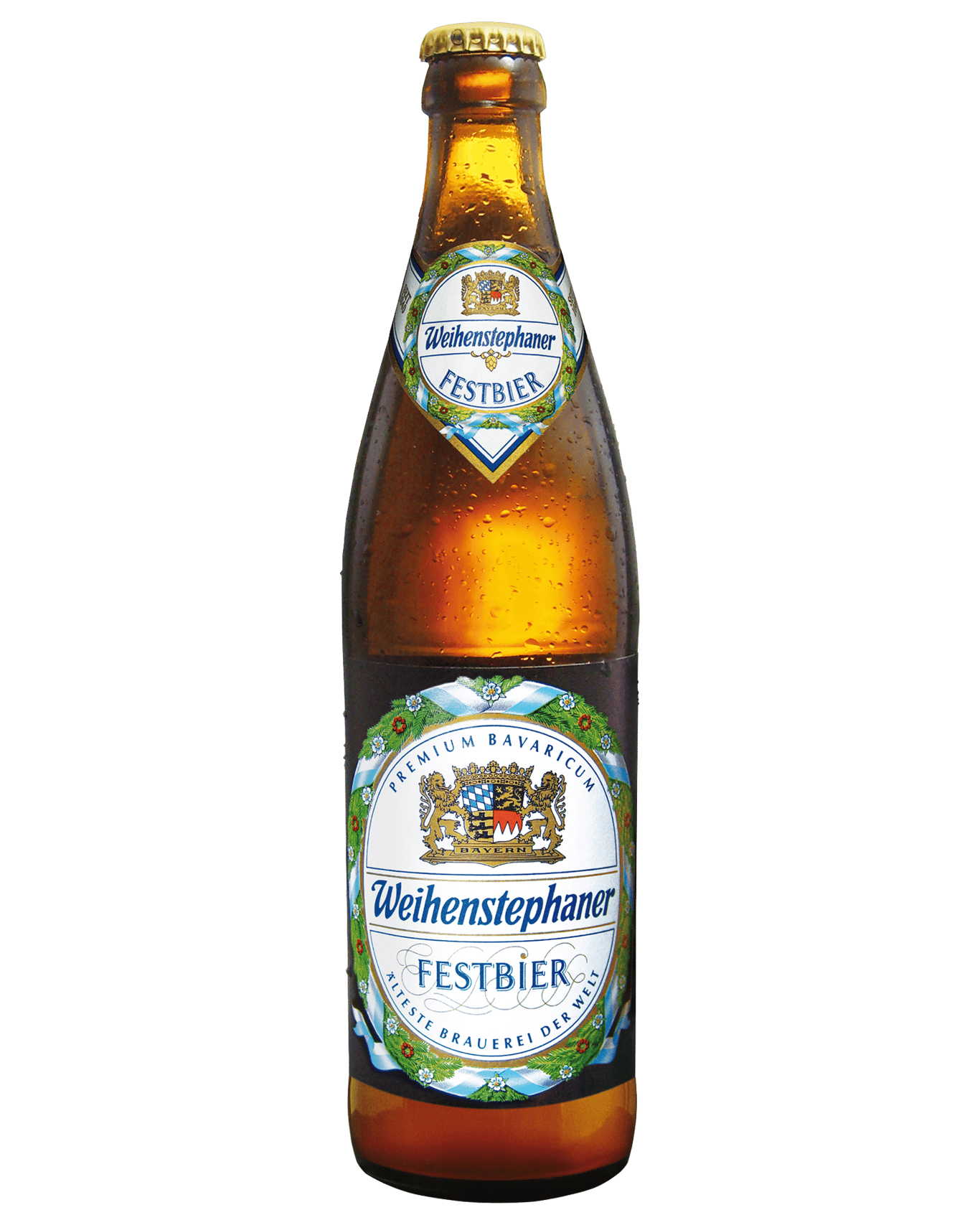
1. Weihenstephaner Festbier
Possibly the oldest brewery in the world, dating back to 1040 (although, naturally, that claim is a little controversial), Weihenstephaner is a Bavarian bastion of classic German beer. It’s most famous for wheat beers like its hefeweizen, but Weihenstephaner also knocks out a yearly festbier in honour of Oktoberfest. Pale gold, super clean and with a touch of fruit and spice from those German hops, this will pair with any party food you care to mention. But, for us, it has to be grilled hot dogs with plenty of spicy mustard.
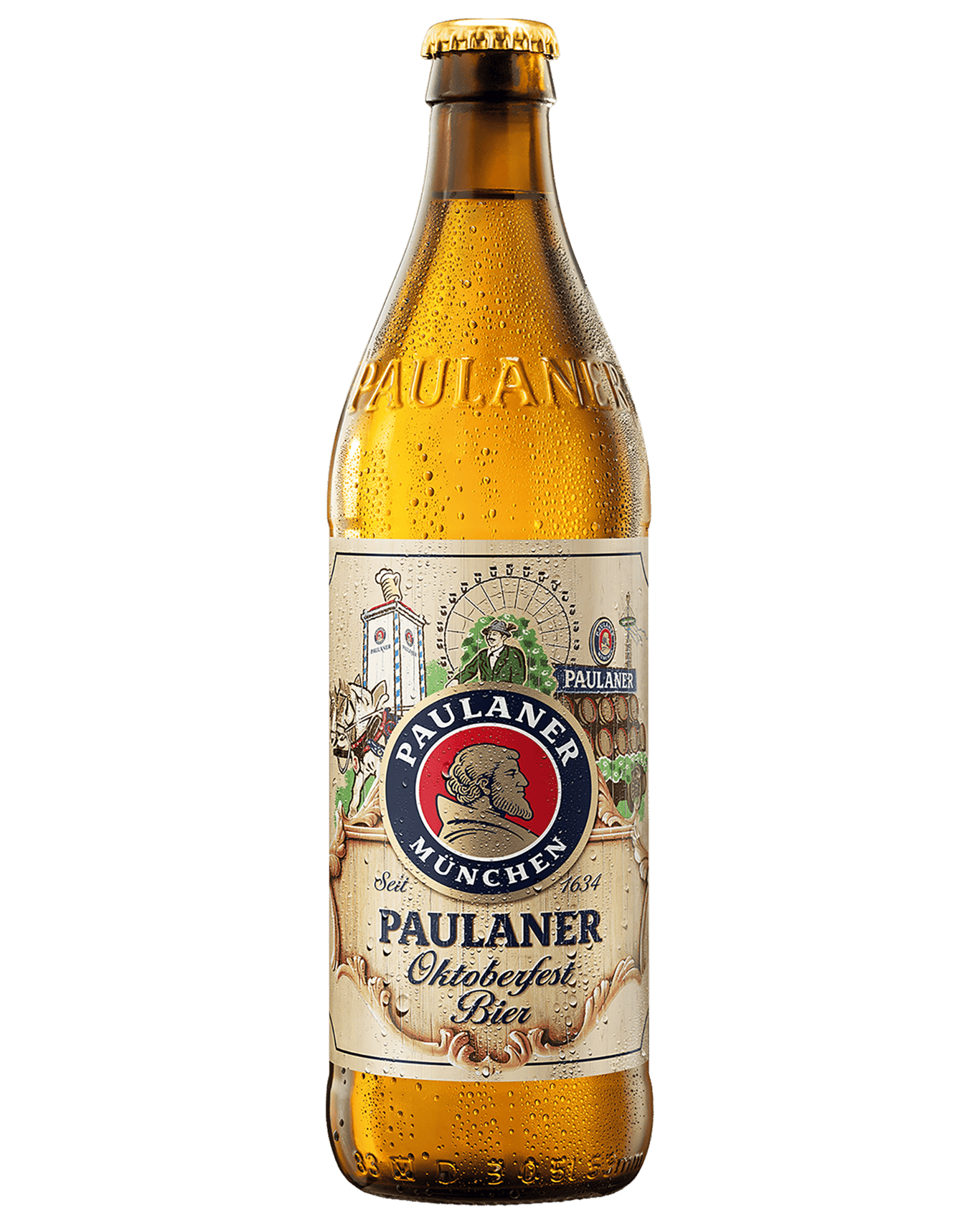
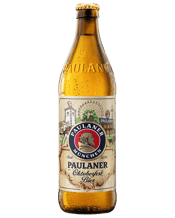
2. Paulaner Oktober Festbier
This may be the original festbier – at least according to Paulaner, who have been brewing versions of this since 1818. The current version likely dates from the 1970s (when the brewery wanted to create a lighter style of beer for Oktoberfest), but let’s not get too bogged down in the history. The important thing to know is that Paulaner Oktoberfest Bier is light, golden, dry and finishes super clean – which is exactly what you want when you’re kicking your knees up at a big beer festival. All the German festival foods work with this, but it’s also a winner with spicy beef tacos.
Click image to shop
Click image to shop
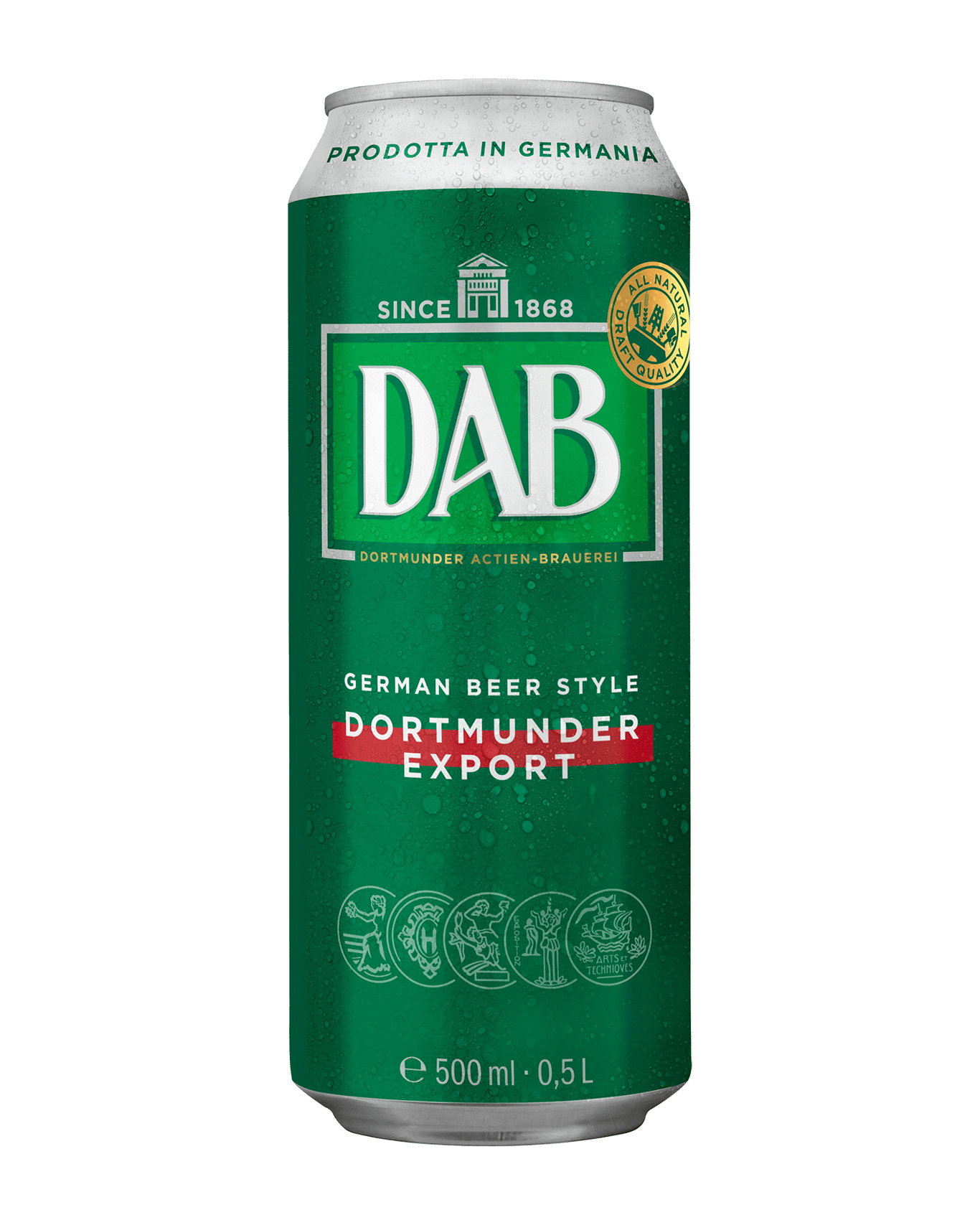
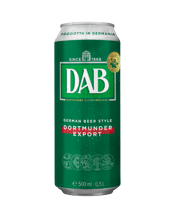
3. Dab Original Dortmunder Export
From a brewery that dates back to 1868, this golden beer has subtle bitter notes and great hoppy flavour, all wrapped up in a crisp, dry lager. While this isn’t specifically an Oktoberfest beer, it’s a brilliant example of just how great – and drinkable – German brews can be. Expect a super approachable refresher that will work with just about every dish you can think of, but we especially love this one with a schnitty and chips.



%20(1)?$dans-daily-web-image$&hei=900)
?$dans-daily-web-image$&fmt=png-alpha&wid=800)