Ready to taste a few local legends? Look no further than these five wines from southern Tasmania.

Click image to shop
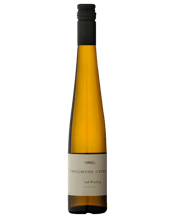
1. Iced riesling, from Frogmore Creek
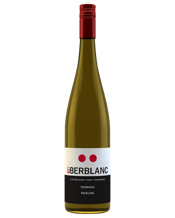
"This is very similar in style to the Frogmore Creek," says Chris. "By that, I mean that it's heavy and weighted, but Nick [Glaetzer, winemaker] still achieves a real crispness in his wine. He's emulating, in a sense, his time spent in Germany, where they make a really different style of riesling to what you'd commonly find in Australia.” Instead of hallmark limey acidity and steely minerality, the Überblanc has some sweetness in there – not so much that it's over the top, but it isn't overly crisp either. “Nick makes it using a 'sur lees' method, which means it's aged on skins to draw out texture and body, similar to what the French do with Champagne. He'll age it for 6–18 months before finishing the wine off, so it keeps drawing out texture, body and plenty of flavour."
If you enjoy the Überblanc – and even if you don't, for that matter – it's definitely worth trying the full Glaetzer-Dixon range. Nick is a sixth-generation Barossan and the Glaetzer family is very well known in the Australian wine industry. "They're from the Barossa Valley and the Glaetzer winery is still very much active," says Chris. "But while his family were firmly drawn to shiraz, Nick felt a connection with pinot noir, so of course he ended up in Tasmania."

Click image to shop
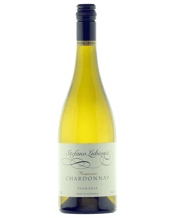
3. Primavera Chardonnay, from Stefano Lubiana
“Founded by Steve Lubiana and his wife in 2010, Stefano Lubiana was the first certified biodynamic producer in Tasmania,” says Chris. He explains that this doesn’t simply mean that the viticulture or winemaking is free of synthetic treatments or additives, “it’s about actually giving back to the land rather than just taking from it. Everything they're doing is putting life back into their vines. They literally are making sure that each year those vines are being cared for and the longevity of their production is something quite paramount.”
This energy is certainly evident in the Primavera Chardonnay, which Chris says “comes from a single vineyard on the estate”. He continues, “the vines are biodynamic and organically farmed, but the wine is also vegan, so there's no fining or filtration. It’s made traditionally and shows those lovely rich stone fruit tones with some grapefruit and a beautiful, slightly grippy finish – like when you suck on a grapefruit and you get that lovely sour pop. But it also has a beautiful middle core lemon curd and nougat which is very attractive.” In other words, it’s bloody delicious.
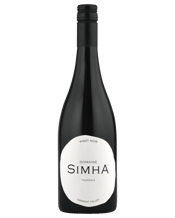
If you’re after something with more of a holistic, lo-fi approach, the Nature Pinot Noir from Domaine Simha is the wine for you. “Everything Nav does is done in the same way as Stefano – biodynamic and organic – but he takes it to the next level,” says Chris. Like Steve, Simha winemaker Nav Singh “has taken the biodynamic principles to heart, and it does show in his wines. They have, in my personal opinion, some of the most beautiful expressions of life in the wines.” Claims like this can seem excessive, but these wines genuinely come alive in the glass. “They don't feel over-extracted, they're not overly stalky, there's not a lot of artifice – it really does taste of where it comes from.”
A bright, energy-infused wine is pretty intriguing, but what does it taste like? “This wine has beautiful raspberry and rainforest tones – earthy notes of turned soil and wet leaves. I also get notes of cherry blossom and a beautiful freshness on the palate,” says Chris. “It's not overly sharp or acidic. It's got a lovely round tannin base, and a touch of spice.” Whether your palate is as sharply attuned as Chris’ or not, this is a wine you can really savour.

Click image to shop
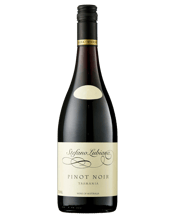
5. Pinot Noir, from Stefano Lubiana
Pioneering pinot noirs is what Tassie is known for, and Steve’s is leading the charge. “This wine comes from the same area as the Primavera Chardonnay, but a different site” says Chris. “As a wine, it has a lot of weight with a beautiful ripe middle core and again, there's that lovely damp earth, wet leaf character coming through that I find super attractive. It harks back to Burgundy – it’s a funk that’s become an identifiable trait of a very serious pinot.”
Compared with the Simha pinot noir, which is quite lithe and youthful, this one is meant to age. “I give the Lubiana pinot an easy fifteen,” says Chris. “It's built to age. And as it gets older, it becomes more balanced and denser. It shows tannins now, but they certainly become more complex later in life. It gains depth as it gets older.” And patience rewards drinkers not only with a change in structure, but also in the wine’s flavour profile. “It develops a lovely roundness and texture, and it transitions from primary to tertiary characters, which gives you more rhubarb, dark cherry – almost a liquorice note.” If you do decide to drink it right away though, you won’t be disappointed.
Want to know more about southern Tasmania's treasures? Head to Dan's Vine Guide to read up on our top wineries, favourite foodie spots and recommended side trips for when you're exploring this incredible part of the world.