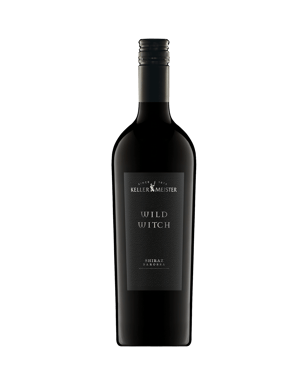
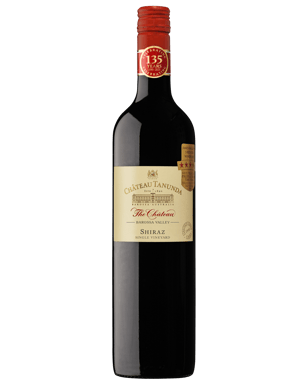
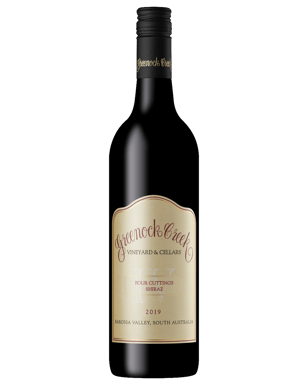
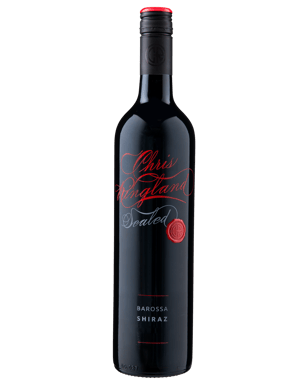
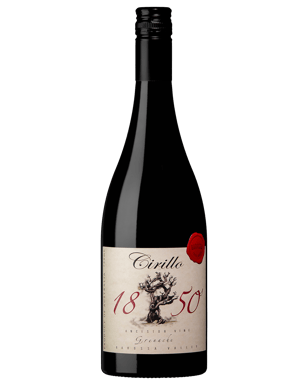
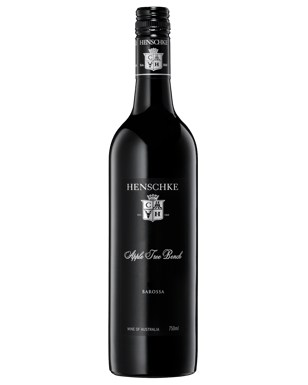
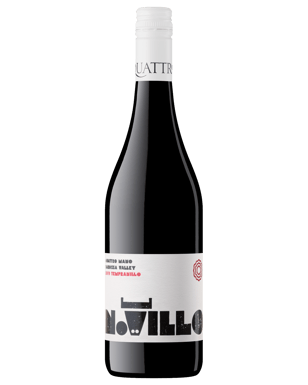
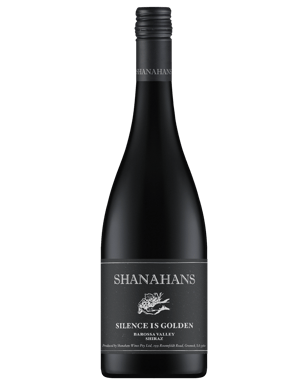
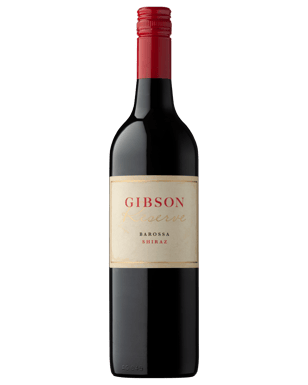
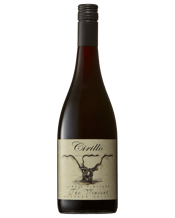
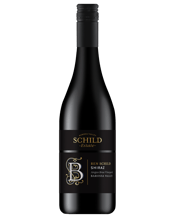
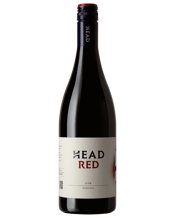
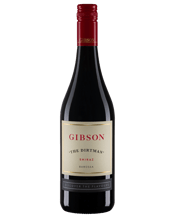
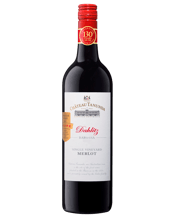
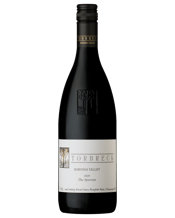
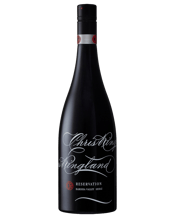
As far as wine regions go, Barossa is a deadset icon – and there’s more to it than its big, bold reds.
Ask anyone to name an Australian wine region and odds are they'll say the Barossa Valley. This internationally renowned region has seen seven generations of growers and winemakers hone their craft, producing some of the finest wine the world has seen for more than 170 years. Just a 40-minute drive north of Adelaide, the three towns that make up the Barossa – Angaston, Tanunda and Nuriootpa – are havens for fresh produce, innovative winemaking and characterful locals, ensuring every trip here is unforgettable.
Celebrated for its warm climate with hot days and cool nights, the Barossa has set the standard for producing fruit-forward whites and big, juicy reds in Australia. King among them is the region’s signature style: the bold Barossan shiraz – you know, the kind Dad likes to pull out of the cellar for a special occasion. But while tradition runs strong here, so does innovation. So, whether you're after laidback tastings with small-batch producers or luxury tours, the Barossa is a magical place that will cast a spell on every wine lover who visits.
Elevation – 112–596m
Total vine area – 11,609ha
Average annual yield (grapes crushed) – 67,000 tonnes
Soil – Loam-rich clay and sandy soils
Climate – Warm Mediterranean climate with hot days, cool nights and plenty of sunshine
Mean temp (Jan) – 21.9°c
Average growing season rainfall – 220mm
White grapes – 10%
Red grapes – 90%
1. Shiraz – 63%
2. Cabernet sauvignon – 13%
3. Grenache – 5%
4. Chardonnay – 4%
5. Merlot – 3%
The Barossa got its name because of a typo. The region was named by Colonel William Light, the surveyor-general of South Australia and the man who decided the site of Adelaide. He originally named the region after the Barrosa Ridge in Spain, where he fought during the Peninsula War. Thanks to an administrative mistake, the spelling changed to ‘Barossa’, which is how we know it today.
Barossa has the largest plantings of pre-phylloxera vines in the world. Phylloxera is a nasty little louse that feasts on grapevine roots. This little pest devastated the European wine industry in the 1800s, wiping out more than 80% of the continent's vineyards, making Barossa’s centenarian vines some of the oldest still in existence.
Eden Valley is a subregion of the Barossa. Located at the highest point of the Barossa, the Eden Valley enjoys a much cooler, wetter climate, which is ideal for more savoury expressions of shiraz, and fresh, zesty rieslings, which the region is famous for producing.
Did you know the Barossa Valley has a long history of producing fortified wines? From tawnies to liqueur muscats, these wines are well suited to the Mediterranean climate. Today, these wines represent a smaller part of the region’s overall production, but are still recognised as a world-class style. In fact, one of Australia’s most celebrated and expensive wines is a Barossa fortified – the Seppeltsfield 100 Year Old Para Vintage Tawny, released each year from the vintage a century prior.
%20weekend%20in%20the%20Barossa?$dans-daily-web-image$&wid=1100)