


We chat to Jake Down, current Aussie champ, ahead of the Diageo World Class global finals.
You’ve heard of the Olympics – shot put, ping pong, all that stuff with the pommel horse. But have you heard of the bartender Olympics? About 1000 times sexier than whatever's happening in Paris this year, World Class – AKA the largest bartending competition in the world – is a huge deal. If you’ve worked in proximity to the hospitality community, you may have heard the whisperings and promotions by Diageo, the spirits company that created the global competition.
An annual and international event, bartenders from across the globe battle it out to be named the greatest in all the land. Australia last took the title in 2018 thanks to Orlando Marzo, but it was Canada’s Jacob Martin who landed top spot last year; Norway’s Adrián Michalčík the year before. Can we do it again in 2024?
It starts on a national level, with hundreds of hopefuls in more than 60 different countries vying for the opportunity to compete in the top six national final. This year, Australia’s finalists were Jake Down from Pleasure Club (Sydney), Matt Bodycote of State Buildings (Perth), Rohan Massie of Rude Boy (Hobart), Tom Opie of The Waratah (Sydney), James Irvine of Merivale (Sydney), and Dan’s Daily alum Shirley Yeung of Foxtrot Unicorn (Perth). The national final played out over three rounds – two testing technical skills, and the last designed to test their speed. Jake won two out of the three rounds, making him the Aussie champ. Now, Jake is prepping for the global final, which will be held in Shanghai this September. With the world’s finest bar talent descending on one city, claiming the crown will be no small feat.
We covered the brilliant entry from Nick Tesar last year, but we wanted more. How does one prepare for the ultimate bartender showdown? What’s the training regime? And do you need a coach? Here to answer all our questions is Jake Down, current Head of Drinks lab at Pleasure Club, and the man on whom all of Australia’s hopes are pinned.

Tell us about yourself and how you got into bartending?
“I started out as a kitchen hand at a restaurant my mum worked at. Through the kitchen window, I could see someone chatting with people, making colourful drinks, just having a really good time. I thought, I don't want to be cleaning dishes, I want to be out there, connecting with people, making things from scratch, being on my own little stage.”
Was there an exact moment you knew you wanted to stay in hospo?
“I moved to Sydney from the Central Coast and saw a whole new world of hospitality. Whether it was bustling restaurants serving food I had never tried before, or seeing a busy bar with bartenders making round upon round with the team. I also saw a creative outlet I had been looking for.”
How many competitions like Diageo World Class have you entered?
“I've now competed at Diageo World Class four times, and have been in the final rounds for nationals twice, but this is my first time winning. I’ve competed on the national stage in three other cocktail competitions and have won one other national title.”
Why do you want to compete in Diageo World Class?
“It is the Golden Globes of cocktail competitions. It is challenging, rewarding and showcases the top bartenders in the world. Diageo World Class is a great way to push yourself and be really creative.”
Tell us about the prep work you did to get into Diageo World Class?
“Diageo World Class, end to end, is about four months, not taking into consideration the Global finals. It's a massive undertaking and requires sacrifice and organisation. The one thing that I changed this year is my calendar – I mapped it out by colours denoting each challenge. I had dedicated days and hours aligned for what I needed to do. The prep is all about organisation and mental clarity.”
What does “practise” look like for Diageo World Class?
“It depends on where you are in your career and the competition, but practice is in your presentation and how you will present on the day. Practising your speech and how you move behind the bar. Before you get to that final stage, the practice is in your palate. This is a cocktail competition. The drink needs to be World Class.”
Before entering Diageo World Class, what are the absolute need-to-knows?
“You need to know your style of hospitality. You need to know your palate and you need to know what you want out of the competition. Do you want to win or do you want to push your overall knowledge and technique arsenal?”
Have you been mentored or coached?
“100%. I have been incredibly lucky, but I've also sought out the people I wanted to learn from. I have had three mentors over my career that have shaped who I am. Luke Ashton, who won Diageo World Class Australia 2013 and the co-owner of now closed bar This Must Be The Place. He is a close friend and someone who changed how I look at hospitality, cocktails and flavour as a whole.
“Charlie Ainsbury, who was the other co-owner of This Must Be The Place and the Diageo World Class Australian Champion in 2014 and 2016. Charlie, or Chino, gave me the appreciation and tool kit to utilise classic cocktails. He is humble and has a wealth of knowledge when it comes to cocktails and their structure.
“Finally, Matt Whiley. He doesn’t really need an introduction. He is a pioneer in hospitality and bartending, but also an incredible friend. He is an open book when it comes to knowledge. I worked with him at Scout in London, which at the time was the 23rd best bar in the world and then again in Sydney with him at RE, which was the world’s most sustainable bar in 2021 and 43rd best bar in the world.”
%20(edited%202)?$dans-daily-web-image$&wid=900)
What is it like to compete?
“When it's competition day, your adrenaline is in full swing. All scenarios go through your mind and you can't wait for it to be over. In saying all this, you make friends for life. You are going through this pressure cooker situation where you all come together to get through it. I would highly recommend bartenders to enter Diageo World Class next year.”
Tell us about the cocktails you served up in the finals. What were your influences?
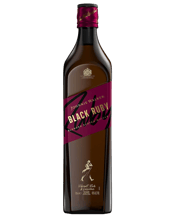
“I had a few cocktails, so the inspiration came from many sources. Some are local icons of Sydney, some being food and the alcohol that was being showcased. My signature was the Ruby Al Pastor, which combined 50mL of Johnnie Walker Black Ruby, 30mL of pineapple juice, 5mL of fino sherry, 20mL of al pastor syrup and taco salt.”
Tips for bartenders thinking about entering next year?
“Sometimes less is more. One of the hardest things about making cocktails is taking things out. Read the brief, I know that sounds all well and good, but what are they asking you to do? If you can't explain your idea in one or two sentences, then it might be time to pull the scope back and read the brief again.”


%20(1)?$dans-daily-web-image$&hei=900)
?$dans-daily-web-image$&fmt=png-alpha&wid=800)