


We break down the history of this subtle difference, and why it matters.
There’s a scene in The Simpsons that’s always a millimetre from the front of my mind. Mr Burns, fending for himself for a change, is locked in an internal struggle while shopping at the supermarket, with a bottle of sauce in each hand – one labelled ‘ketchup’, the other ‘catsup’. All he can do before being led away is to look despairingly from one to the other. If you’ve ever stood in front of the spirits section, looking at one bottle labelled ‘whisky’ and another called ‘whiskey’, you might know the feeling.
It all begs the question: is there even a difference between whisky and whiskey? Well, there is a difference, and while it doesn’t make one version better or more traditional, it’s worth knowing if you’re keen to continue on your whisk(e)y journey. Let’s have a look.
First things first – a very quick refresher on whisky as both a word and drink. When distillation was primitive but popular across Scotland and Ireland, the resulting unaged spirit was given the name aqua vitae, which means water of life in Latin. Both groups translated the Latin into their own local languages – uisge beatha for the Scots, uisce beatha for the Irish. Don’t make us try to pronounce those, but the word eventually became anglicised as ‘whisky’.
However you spell it, whisky is almost always a spirit made from fermented grain (called ‘mash’) that is distilled and aged for some amount of time in a wooden (usually oak) barrel. Underneath that vague recipe is where some big differences start to crop up, like the types of grain used, whether multiple batches are blended or not, how long the spirit is aged, and the type of oak used for ageing. As we’ll see, the difference in spelling corresponds to some big differences in opinion when it comes to how the whisky gets from grain to glass.
As we suggested, the difference comes down to some disagreements between the Scots and the Irish about how whisky should be made. And, honestly, if anyone should have an opinion, it’s those guys.
In 1830, a man named Aeneas Coffey patented a new type of still called the column still (stills being the mechanism for distilling mash into a spirit like whisky). The Scots started using this new style of still to produce a lighter whisky, blending it (in some cases) with the richer whisky produced by the traditional pot still, in part to avoid the British government’s spirit tax.
Irish distillers generally didn’t much go for this idea – they considered it opposed to the production of great whisky and fought to bar the practice. With the Scots (and the UK in general) having accepted the practice, and Irish having rejected it (and unsuccessfully lobbying the courts to ban the use of the new, column still whisky), the two ended up splitting on the spelling of the product – the Irish adding the ‘e’ to ‘whiskey’ in order to differentiate their style from the rest.
Scotland, England and Wales
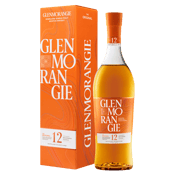
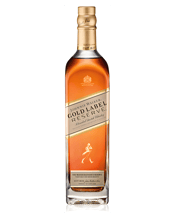
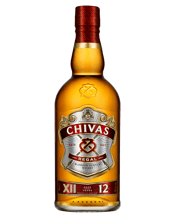
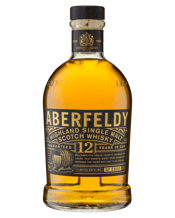
Obviously, Scotland is the big name in whisky without the ‘e’. The spelling is generally used across the British Isles, with Welsh and English distillers using the spelling. As we mentioned above, Scotch whisky distillers can claim to have started the whisky/whiskey split by using column distilled whisky as part of a blend, but you’ll also find plenty of pure pot still styles (that is, with no lighter blended component), which is what you get with single malts. By the way, single malts when made in Scotland us only malted barley, but the Irish use a mix of grains. Another little difference for the two titans.
Canada
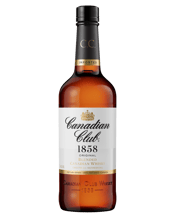
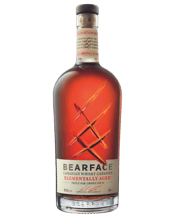
America’s northern neighbour has a reputation for producing light, easy-drinking blended whisky styles – something you might infer from the fact that they spell ‘whisky’ like the blend-approving Scots do. The first commercial distillery in Canada opened in 1801, which is before the Irish added the ‘e’ and we got the two spellings, so it’s likely the name just stuck.
Japan
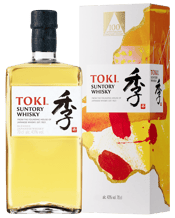
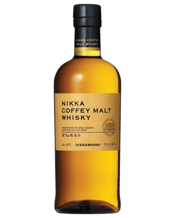
Japan’s rich, complex whisky has historically had a heavy reverence for the Scottish style, so it’s natural the nation uses the same whisky spelling. One of Japan’s biggest whisky names, Nikka, was founded by Masataka Taketsuru, who studied and apprenticed in Scotland in the early 20th century, so it’s possible that this legacy has influenced the general Japanese attitude to whisky.
Australia
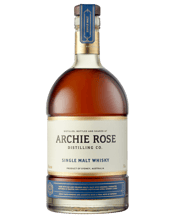
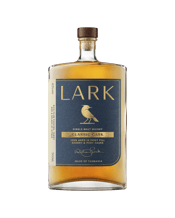
We usually use the e-less spelling here, too, though it’s not really much of an indication as to the style or production methods used. Australian whisky has a more relaxed definition – it needs to spend two years in oak but the grains and blends are pretty much up to the distiller.
Ireland
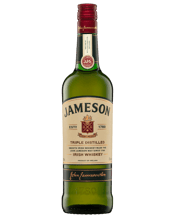
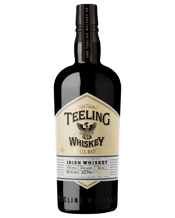
The Irish have been pretty clear in steering away from what’s happening on the big neighbouring island, and adopting the ‘e’ in whiskey is (for a proud distilling nation) a big point of difference. As we mentioned, the desire for the Scots to blend lighter whiskies into their rich, pot still spirits gave rise to the schism, with the Irish differentiating their product by changing the spelling.
Historical fighting aside, though, Irish distillers have long blended column distilled whisky into their drams – they call it ‘blended whiskey’, as you might expect.
USA
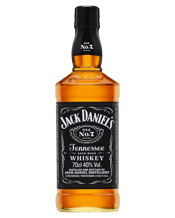
While the rest of the world has largely gone for the spelling without the ‘e’, the US is the big exception, labelling its endemic bourbons, ryes and corn whiskeys with the Emerald Isle’s preferred spelling. The reasoning seems to be a stylistic tie to Irish whiskey – at least in terms of the grains used. The Irish have long accepted a mix of grain types beyond the standard barley (wheat and rye, for example), and American whiskey producers are synonymous with these grains (as well as corn). This, plus the tendency to use new American oak, lends a sweet and spicy quality to many US whiskeys.
The naming practice also seems to have only become standard in the years post-Prohibition (which ended in 1933), as the industry reset and rebuilt. There’s also some suggestion that the spelling is in response to the perceived low quality of Canadian whisky, which is typically a lighter-style blend. Pretty rude, if true.
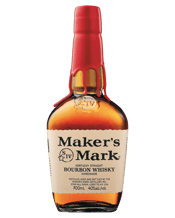
It’s also worth noting that the spelling hasn’t been adopted universally in the US – Maker’s Mark still labels itself as a ‘whisky’, for example. Confusing, but delicious.




%20(1)?$dans-daily-web-image$&hei=900)
?$dans-daily-web-image$&fmt=png-alpha&wid=800)