


TLDR: more experimentation, less definitions, and even better wines.
Natural wines are always funky, right? A little amber or orange in colour, with funked-up flavours and maybe even a little fizz. In other words, not like traditional wines. While this description fits many of these wines, it’s not always on the money – just like the term itself. ‘Natural wine’ lacks an official definition here in Australia, and even the producers tend to describe their wine in other ways, many without any defining labels at all. And with the ever-increasing quality and diversity of wines, the lines between styles are blurring. The best bit is that whatever you want to call them, these wines are only getting better.
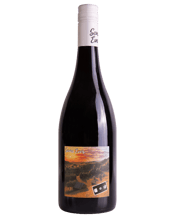
One producer leading the way is Mauricio Ruiz, who makes wine under his South Australian labels Somos and Seven Eves, as well as Juguette, which he sells to his native Mexico. At the 2022 Adelaide Hills Wine Show, his 2021 Seven Eves Whole Bunch Syrah won three trophies – Best Shiraz, Best Red Wine, and the coveted Best Wine of Show. Despite being the wine show for a region often considered Australia’s home of natural wine, top gongs like this generally go to traditional benchmark wines. “Some people feel that lo-fi wines need to be on the ‘weird’ spectrum, and don’t get me wrong, some of them, including some of mine, absolutely are. But there are also many that are just pretty, unique expressions,” he says.
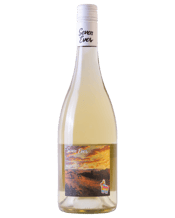
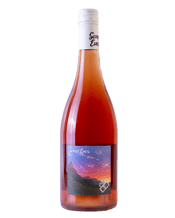
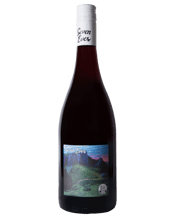
Mauricio explains that he’s all about capturing three essential things in his wines – vintage, variety and region. He only works with sustainably grown fruit and doesn’t use additives in the winery aside from sulphur. “I do this to try and capture the wines in their most pure and unadulterated form,” he says. His Somos label showcases climate-appropriate alternative varieties, while he makes the Seven Eves wines from classic French grapes grown across Macclesfield in the Adelaide Hills. These include a Fume Blanc, Carbonic Gris (you can’t miss its brilliant colour) and that celebrated Syrah.
Over in Margaret River, Ben Gould bought a vineyard in 2005, and so began Blind Corner Wines. Like Mauricio, he doesn’t use any additives apart from sulphur, and he’s since converted his property to certified organic and biodynamic. Ben knows some people might think natural wines are all “cloudy stuff with a cool label” but he’s quick to note that many also look, smell and taste like classic styles. “And those wines have always been there,” he says, noting some of France’s top producers are natural in approach, but not in name (hello, DRC). For Ben, his way of growing and making wine simply aims to express his site in the best possible way. “Everything comes down to terroir,” he says.
With time and experience, Ben has developed some savvy solutions to align with his production philosophies. These include adding the Burgundian grape aligoté to his site, which he blends with chardonnay to inject the final wine with added citrus notes and tang. “We wanted more ripeness in our chardonnay, but didn’t want to add acidity after the fact,” Ben says. It’s just one example of how producers like Ben are constantly building their knowledge and refining their techniques to deliver the best possible wines that don’t compromise on their beliefs.
It’s been a wild ride for Blind Corner Wines. Having launched several years before the natural wine scene took off, Ben says the early days were a little tough. “There was a bit of friction because we were seen as going against the status quo. We sold pretty much no wine for two years, and then suddenly everything sold out fast,” he recalls. “It all changed, and we got swept along.” Since then, Ben says he’s seen a lot of experimentation across the industry, including from the bigger, more conventional producers, and he believes this type of innovation will continue to spread. He also says wines across the board will inevitably keep getting better, too. “Natural wine has had its ups and downs, but the trend is always towards improvement,” Ben says.
For Mauricio, it’s been interesting to watch the progression of natural wine over recent times. “Ironically, the natural wine movement was, in part – and in my opinion – a reaction to the archaic and often restrictive rules and impositions of DOCs in Europe. But in time, the same movement has imposed rules such as ‘no sulphur allowed’ or that wines need to come from specific vineyard practices such as biodynamics,” he says. So, what does he believe comes next? “I think more producers are jumping into this realm of being free to do something without the need to be labelled.”



%20(1)?$dans-daily-web-image$&hei=900)
?$dans-daily-web-image$&fmt=png-alpha&wid=800)