


Rakija has been around for centuries, but it’s only just getting a name for itself here. It’s about time.
If you grew up around Balkan culture, rakija is probably old news to you – it was likely served up at weddings, birthdays, baptisms and maybe even whenever someone felt a cold coming on. For the rest of us, the recent rise of this lesser-known fruit brandy from south-eastern Europe might come as a nice surprise. For a start, it’s always exciting to realise there are delicious spirits out there that we haven’t tried yet – just like when we all started cottoning on to regional specialties like mezcal, amaro and soju. It’s a big old world out there.
So, if you’re not yet familiar with rakija (rah-kee-yah), we reckon now is the perfect time to get acquainted. Although the Balkan states have been happily sipping their local versions for centuries, it seems like rakija is ready to start making some more high-profile appearances over here. Sounds like a perfect excuse to try something new, don’t you think?
Rakija is a type of fruit brandy common to the Balkans – a part of south-eastern Europe that includes countries like Serbia, Croatia, Albania and Montenegro, among others. Fruit brandy is basically the same as the spirit we call brandy, except where regular brandy is made from fermented and distilled grapes, fruit brandy is made from all sorts of fermented and distilled fruits, although grapes can still be in the mix.
Depending on where rakija is produced, it can be made from plums, pears, apples, apricots, sour cherries and just about any other local fruit. Rakija can also be flavoured after distillation, and common additions include cherry, fig, rose, honey and herbs.
The name rakija can also vary depending on where it comes from, and you might see it sold as ‘rakia’, ‘rakiya’ or ‘rachiu’. However it’s spelled, history suggests people in the Balkans have been making rakija since at least the 11th century so it goes way back.
Most rakija is unflavoured, or, at least, there aren’t usually extra flavours added after distillation. You might end up getting subtle notes of the fruit that forms the base of the rakija – like hints of apricot or a whiff of plum – but the flavour profile is often mild, with subtle spice notes, lightly fruity flavours and aromas, and the warmth of alcohol (rakija is usually 40% ABV and over).
Some types of rakija are flavoured with fruits, nuts, herbs or other local specialties, and these styles definitely have more pronounced flavour profiles. Ageing rakija in wooden barrels can also impart extra layers of flavour.
If you’re a brandy fan, you might get a kick out of rakija, and those who love the earthiness of a silver tequila or the rustic potency of grappa will find plenty to enjoy.
If you’re not part of a Balkan community, you might not realise just how central rakija is to this group of cultures. The spirit is essentially shorthand for hospitality, and you’ll find someone breaking out a bottle of rakija at family get-togethers and big celebrations. Rakija is also part of the Balkans’ traditional folk medicine, so it’s not uncommon to sip some to soothe the sniffles or a sore throat.
Rakija is also a source of cultural pride within the Balkans. National and ethnic groups all claim their particular take on rakija is the best, with different regional variations symbolising all that’s good about those countries and peoples.
Rakija is traditionally served neat – often from a small glass called a cokanj (in Serbia), which looks a little like a tiny conical flask. Like most strongly alcoholic spirits around the world, rakija is best sipped slowly and savoured – it’s actually a bit of a faux pas to do it as a shot, so take your time. Temperature-wise, the classic serving is between 14 and 20 degrees, which allows all the subtle flavours and aromas to emerge.
It’s also traditional to say ziveli, which means cheers, when drinking rakija. When you do, it’s customary to maintain eye contact with the person you’re toasting with. Some say you’re not even supposed to break eye contact until the first drink is finished, but we’ll leave that up to you.
With rakija getting a bit of a modern revival, cocktails are a great serving idea, too. You could easily use rakija anywhere whisk(e)y or brandy is called for, and we especially love the idea of a Rakija Sour, blending rakija, lemon juice, sugar syrup and egg white – just like a Whiskey Sour. Or for a quick win, mix rakija with tonic. And if you’re in Sydney, drop into Marrickville institution Baba’s Place – the rakija Margarita is a must.
Since rakija is so closely linked with hospitality and celebration, food is usually not far behind. Every rakija-making nation has its own classic pairings, and some are pretty specific. In Bulgaria, they love rakija with the national shopska salad, which is usually a mix of tomatoes, cucumbers, paprika and a white Bulgarian cheese. Other classic pairings for rakija include turšija (a regional blend of pickled veg), zelka salata (a salad of shredded cabbage with salt and vinegar), and the roasted capsicum and garlic spread called ajvar.
If you can’t find or make those traditional dishes, there’s one classic rakija pairing you should try – meze. A spread of cured meats, cheeses, pickles and bread is a staple for Balkans cultures (and plenty more besides) and those strong flavours can really balance the rakija. Serve up your favourites, pour a glass of rakija and see why they’ve been enjoying it this way for centuries in the Balkans.
Click image to shop
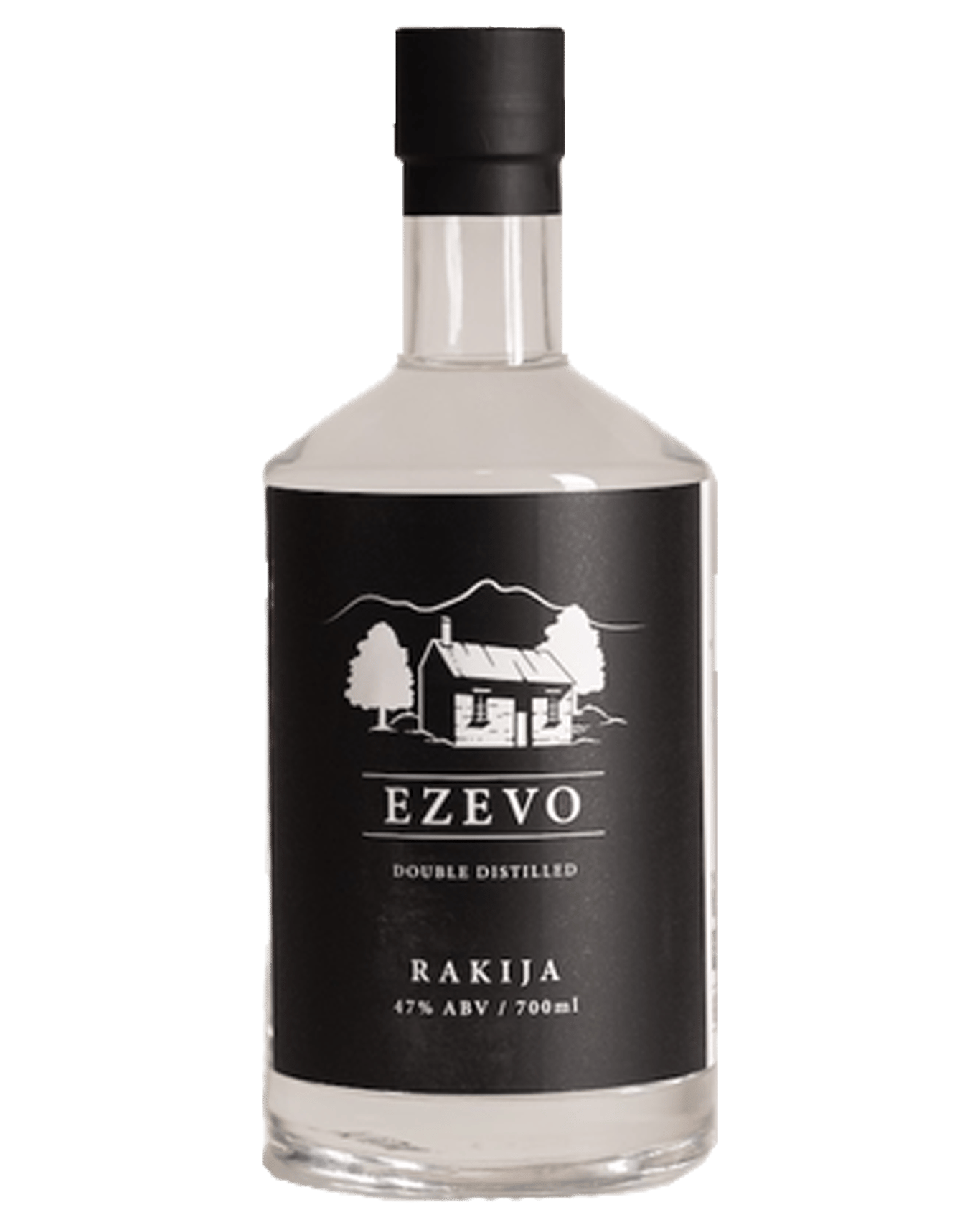
A contemporary Australian rakija – who would’ve thought? Luckily, the rakija lovers at Melbourne distillery Kabina did, because their versions bring us a gentle, crafty update on classic flavours. The Ezevo Classic is an unaged take on the traditional grape rakija, with double distillation and multiple filtrations offering a softer edge. It’s a little floral and fruity, and surprisingly rich.
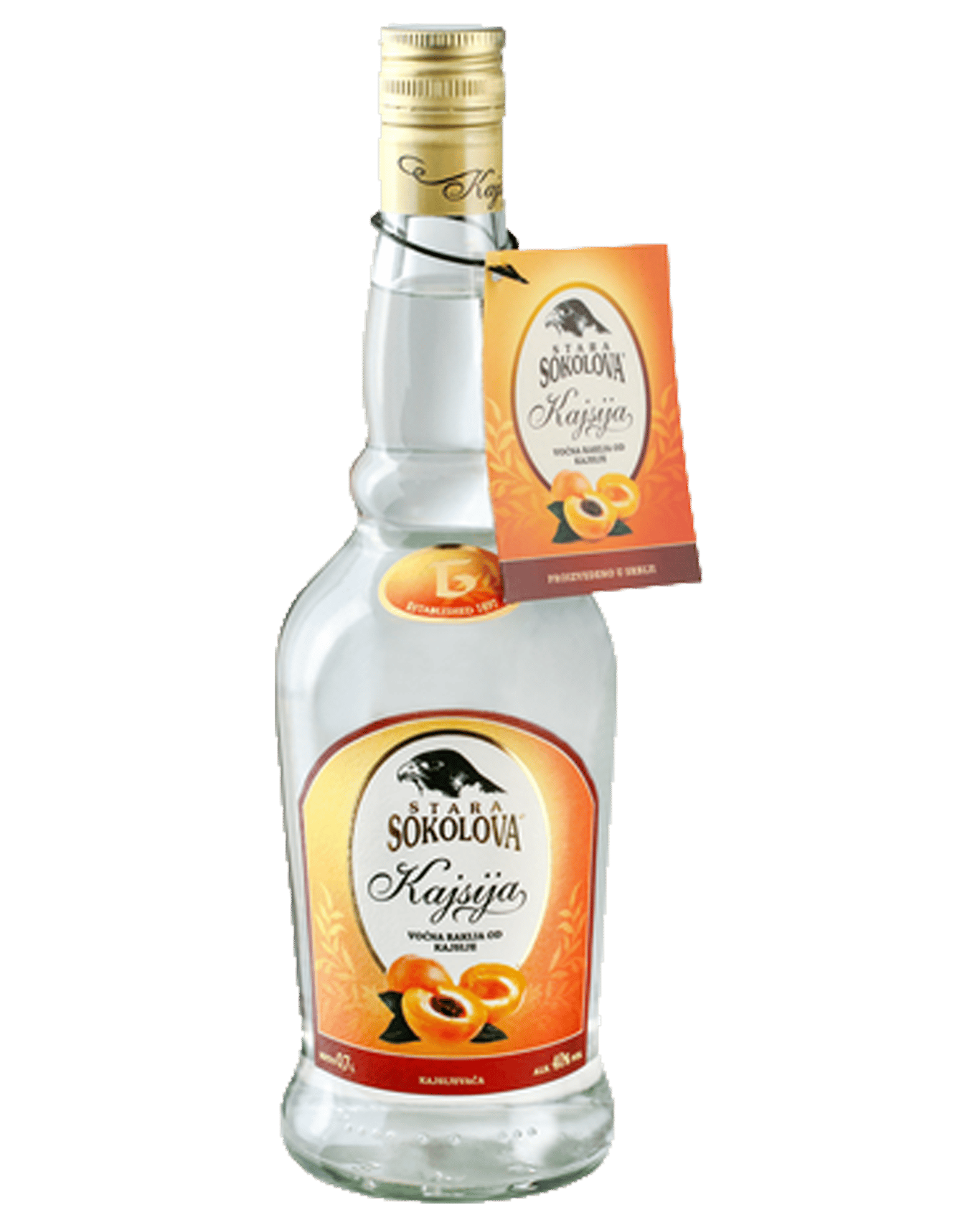
2. Stara Sokolova Kajsija
Proper old-school rakija, this classic from Stara Sokolova is everything we love about Serbian rakija. This one is distilled from apricots, which gives the final spirit a gentle sweetness on the palate and a subtly fruity aroma. A great introduction if you want to drink rakija the way they’ve been enjoying it in Serbia for centuries.
Click image to shop
Click image to shop
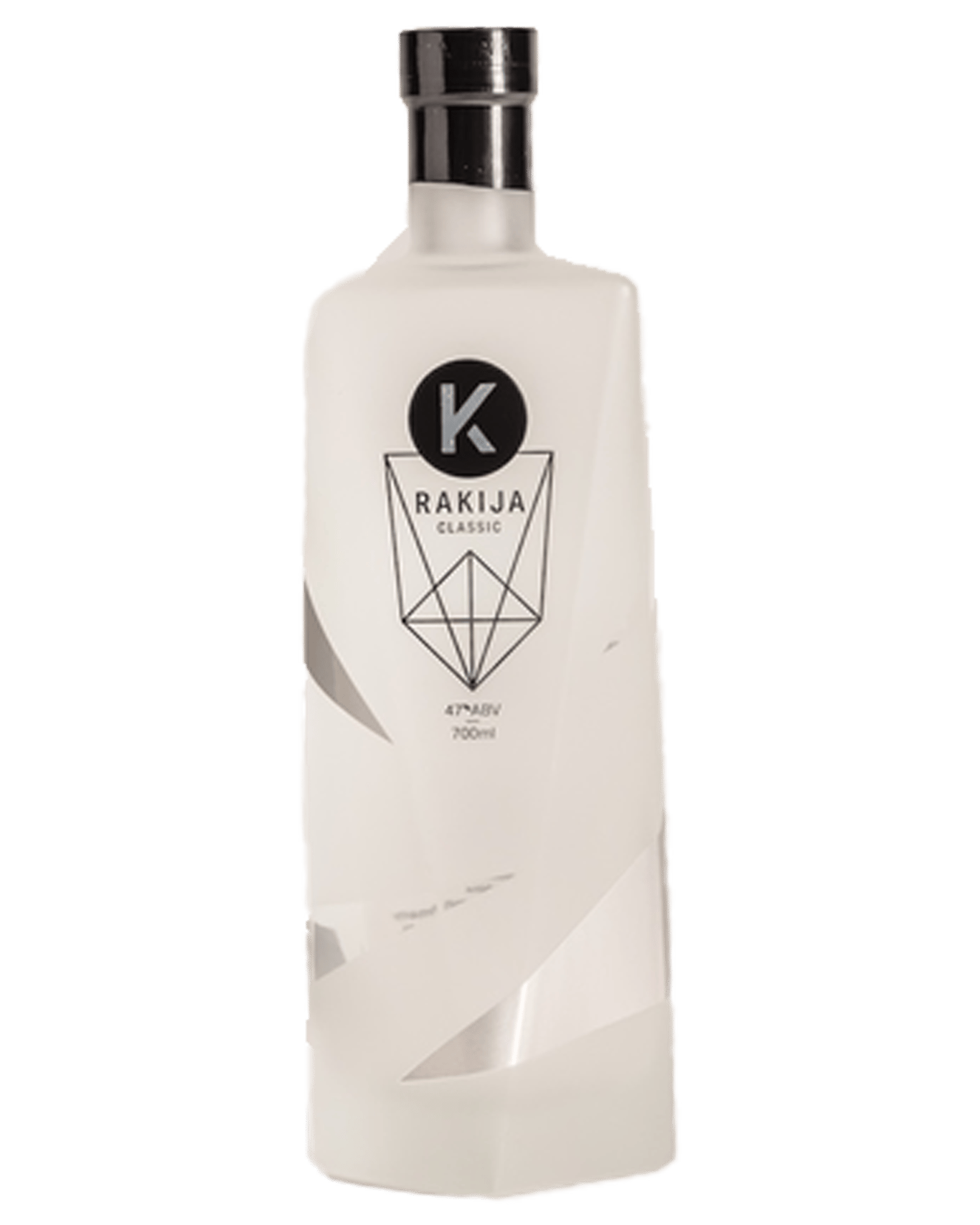
3. Kabina Classic Rakija
Aussie producer Kabina has two labels – Ezevo, which we covered above (and is more of the traditional take on rakija), and Kabina, which is a bit of a modern twist. With the Kabina Classic, the team have refined their recipe and use only the juice and flesh of Australian shiraz grapes, leaving out the earthiness of the skins and stems. The result is a velvety smooth, sophisticated version of rakija that is flavoursome and soft enough for neat servings, but punchy enough to work wherever white spirits belong.


%20(1)?$dans-daily-web-image$&hei=900)
?$dans-daily-web-image$&fmt=png-alpha&wid=800)