


A quick guide to these wines, how they’re made and which ones to try.
So much happens to wine before it makes it into the bottle. For viticulturists and winemakers, it’s an almost endless choose-your-own-adventure process in how a grape is fertilised, watered, grown, protected from the elements and then treated in the winery. For some, the path is a system of ‘natural farming’ known as organic production.
Once considered a hippie-dippy fringe choice, organic wines are everywhere these days – but they aren’t always well understood. With that in mind, let’s take a closer look at this approach, how it applies to wine, and the organic releases to seek out.
To be truly organic, wine has to be certified by a body like Australian Organic or Southern Cross Certified. If it’s not certified, it’s not technically organic, no matter what happens in the vineyard.
To get that certification, grapes must be grown in specific ways. That means ruling out the use of toxic or persistent pesticides, genetically modified organisms (GMOs) and synthetic fertilisers. Producers must also promote biodiversity and encourage soil regeneration.
The overall idea is that organic farming – whether that’s grapes or anything else – is environmentally responsible and sustainable. There’s no guarantee that this style of farming will result in a better wine (a lot of that is really on the shoulders of the winemaker), but it’s fair to say that organic wine is off to a good start.
As you’ve probably gathered from the list above, the requirements of organic wine production are a little more stringent than regular wine production. To adhere to those organic requirements, winemakers and viticulturists have to do things differently to their mainstream counterparts. For instance, a regular vineyard could be nourished with chemical fertilisers, but organic vineyards must use natural fertilisers and composts instead.
Where some vineyards can use chemicals and pesticides to keep insects, weeds and disease at bay, organic vineyards might use cover crops (plants that cover the soil around vines) to attract beneficial insects, or animal grazing to remove weeds naturally.
In the winery, winemakers have to change their approach, too. For example, organic wines can contain preservatives (like sulphur dioxide), but that amount is limited to around half of what can be used in traditional wines. Organic wine can’t contain flavour or colour additives, either.
At its heart, organic wine is about caring for the environment and growing grapes sustainably. Biodynamics is a closely related philosophy that takes this even further.
According to Cullen Wines, a biodynamic winery in Western Australia’s Margaret River, “biodynamic viticulture is a philosophy combining the maintenance of sustainable soil fertility and the recognition of the link between plant growth and the rhythms of the cosmos”.
This idea of the ‘rhythms of the cosmos’ is really what sets biodynamic farming apart from organics. While most of the techniques and principles overlap, biodynamics goes further with ideas like crop rotation, ‘green’ manure and kooky rituals like burying a cow horn filled with manure.
Like its organic sibling, biodynamic farming needs to be certified by an authorised body like Demeter before a winery can claim to be biodynamic.
Click image to shop
6 organic wines to try
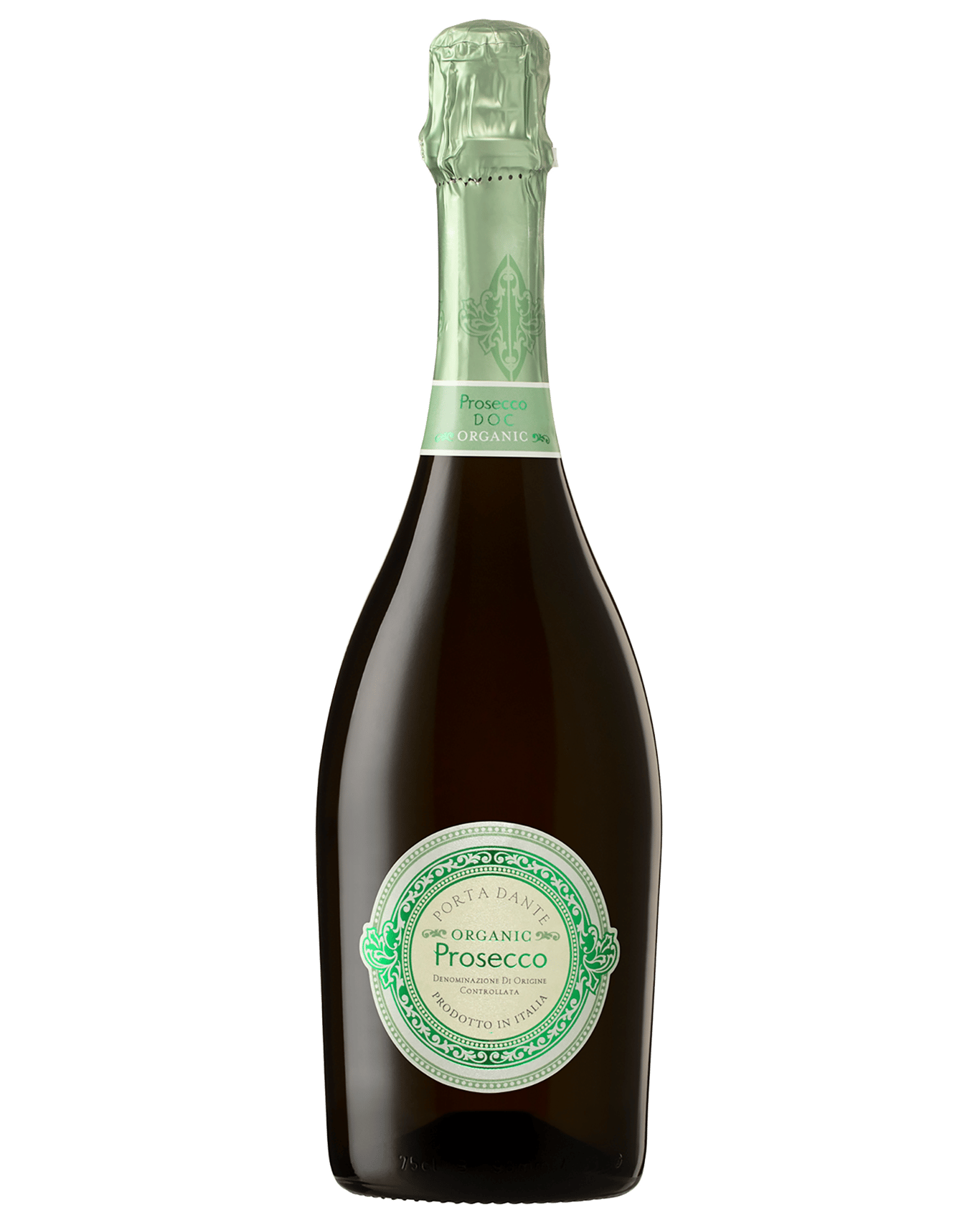
1. Porta Dante Organic Prosecco
We love prosecco, and this one from Porta Dante is all the reasons why. It’s crisp, clean and refreshing with a pile of juicy stonefruit, apple and citrus flavours, and a touch of texture from fermenting on lees (that’s yeast) for 60 days. The Porta Dante team starts with organic grapes for their prosecco, grown in Italy’s Veneto region, the ancestral home of this iconic sparkling wine. This is a perfect palate cleanser between bites of chewy Neapolitan-style pizza.
2. Farm Hand Organic Chardonnay
The Monash Valley in South Australia’s Riverland region doesn’t get much attention, but fourth-generation winery Farm Hand is worth a closer look. Here, the Grigoriou family produces organic, preservative-free and vegan wines like this beautiful chardonnay. You’ll get ripe nectarine and citrus flavours, a little creamy texture and a zippy finish, which makes an ideal partner for creamy pastas, roast chicken and grilled seafood. It comes at a pretty ideal price, too.

Click image to shop
Click image to shop
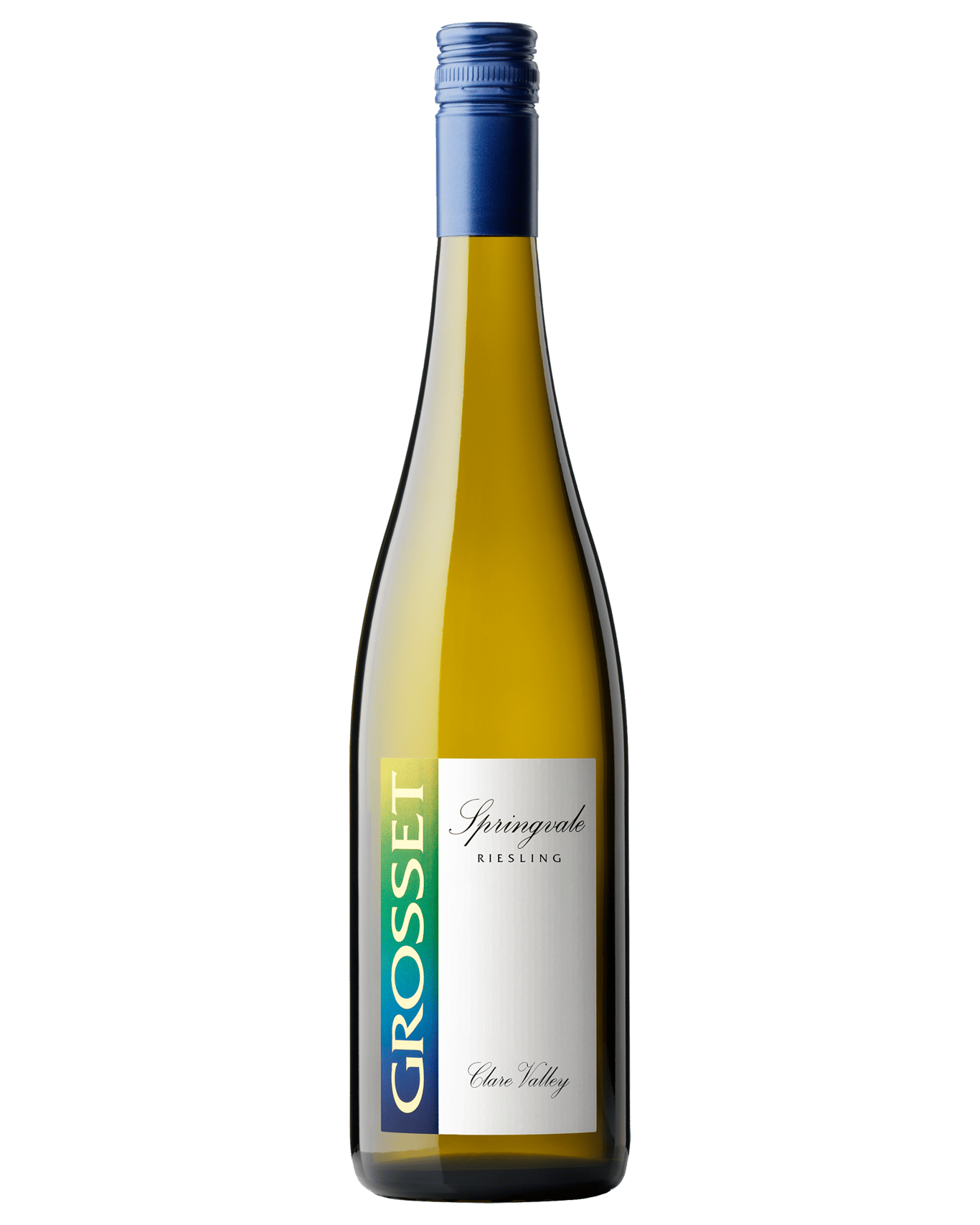
3. Grosset Springvale Riesling
If you’re not familiar with Grosset, do yourself a favour. Winemaker and winery founder Jeff Grosset tends vineyards in Clare Valley’s Watervale, making benchmark examples of dry, bright and flavoursome riesling (along with other varieties) that also happen to be certified organic. The Springvale might not be your everyday riesling, but it’s not exactly an everyday riesling. This is turbo-charged with lemon-lime acidity, aromas of lemongrass and a beautiful minerality. Pull this out to celebrate something alongside a dozen oysters, or put it in away for the next 20 years. Either way, it’s a good deal.
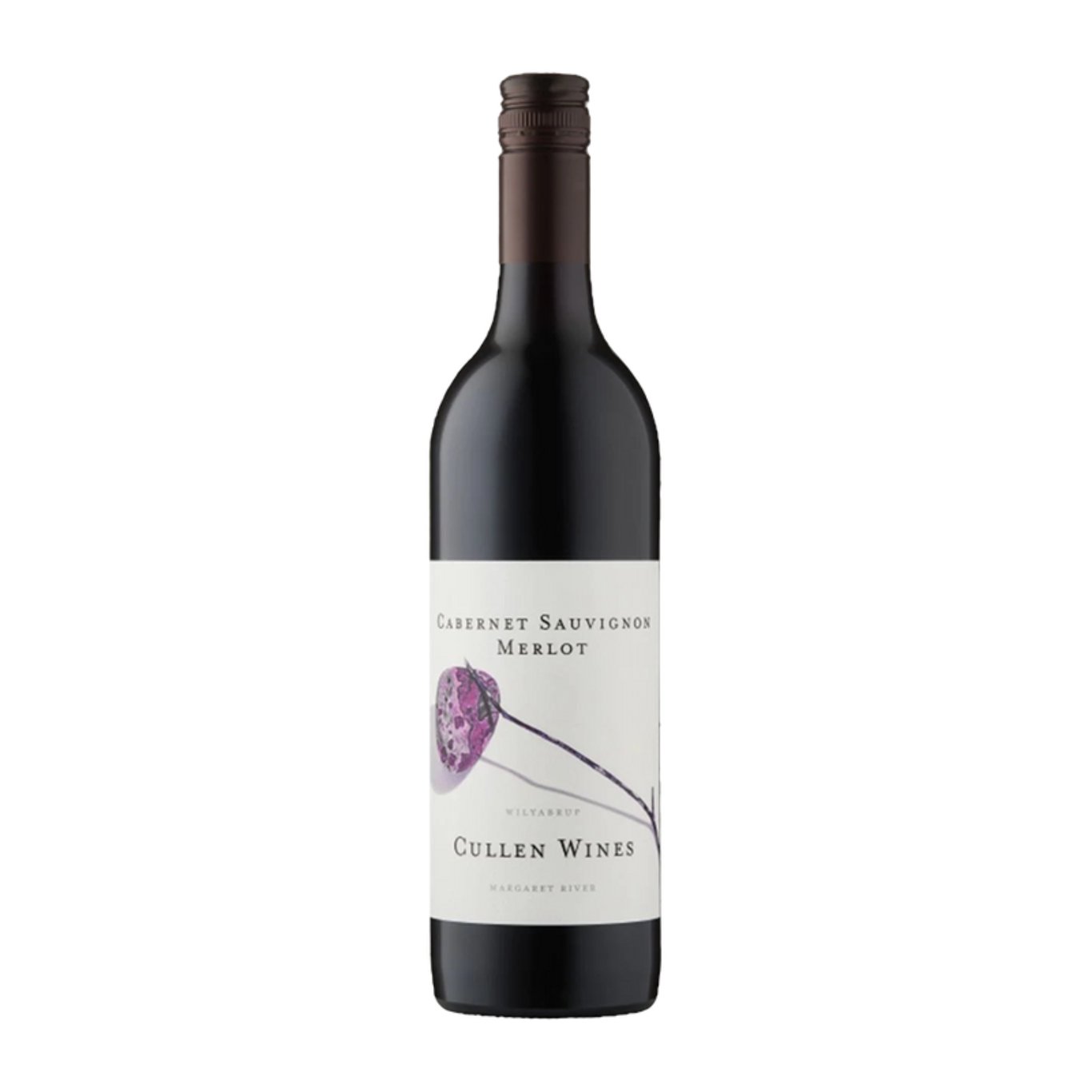
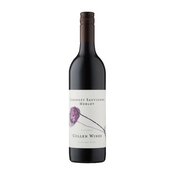
4. Cullen Cabernet Sauvignon Merlot
Vanya Cullen has long been pushing the boundaries of what it means to grow grapes and make wine. At Cullen Wines, they are certified organic and biodynamic, as well as being carbon neutral – an Australia first. Beyond the philosophy, the wines speak for themselves and show Margaret River at its absolute best. This cabernet merlot is ripe, rich and spiced, with flavours like blackcurrant, chocolate and cedar. If you’re planning on tucking into a slow-cooked lamb shoulder with riends, this would complete the occasion nicely.
Click image to shop
Click image to shop
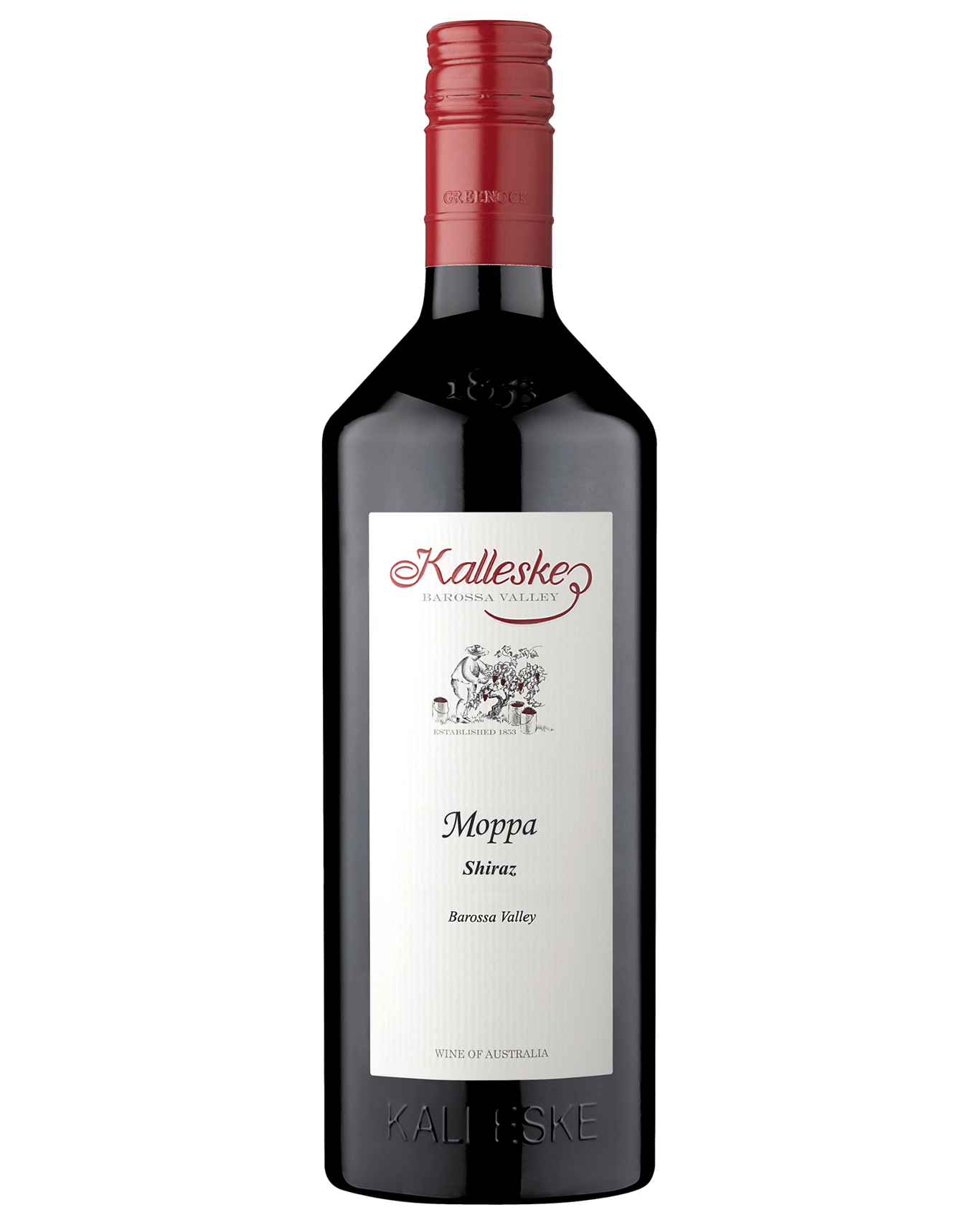
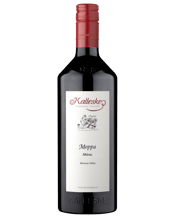
5. Kalleske Moppa Shiraz
Big, bold shiraz never goes out of style in Australia – not when they’re this good. Barossa producer Kalleske works some seriously old vines in the Greenock area, which go into this silky Moppa shiraz (along with a little viognier and petit verdot). The result is a velvety smooth wine, with plenty of black and red fruit flavours, and some interesting floral aromas. It all makes an excellent pairing for steak, so we’d be splashing out on a rib-eye or fillet to go with it. And yes, this is certified organic, which is part of Kalleske’s minimal-intervention philosophy.
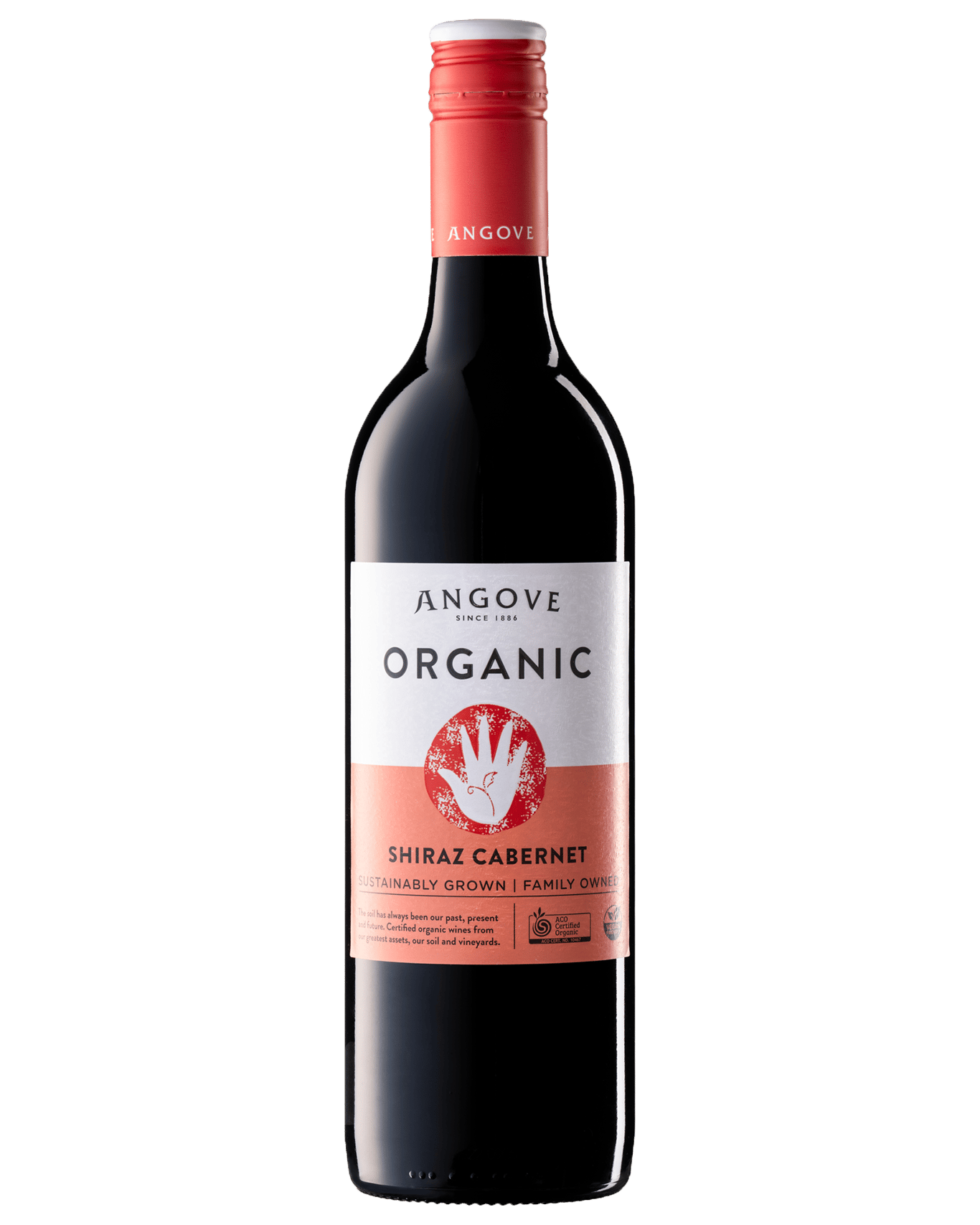
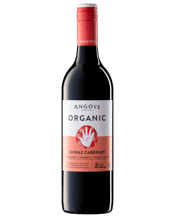
6. Angove Organic Shiraz Cabernet
The shiraz-cabernet combo is the great Australian blend (mixing the two varieties is not allowed in their native France), and this one-two is rarely more approachable than Angove’s take. This wine is made with organically grown fruit from the Riverland region, and it’s a full-bodied, rich, ripe red that will suit everything from barbecued lamb chops to your weeknight bolognese. It’s also a vegan wine, so this goes just as well with grilled portobello mushrooms and lentil bolognese.
Click image to shop




%20(1)?$dans-daily-web-image$&hei=900)
?$dans-daily-web-image$&fmt=png-alpha&wid=800)