


Your crash course on this sweet drink with a gingery kick – plus five to try.
With respect to our other favourite gingers (Nicole Kidman, Isla Fisher and Ron Weasley included), ginger beer is pretty unbeatable. Alcoholic ginger beer is sweet, spicy, bubbly and fresh, and that ticks all the boxes for a great drink in our books.
While alcoholic ginger beer is getting increasingly popular, it still feels a little lesser known than regular beer or wine and cider. Like, how is ginger beer even made? Where does it come from? And why is there also a drink called ginger ale? Well, it just so happens that we have the answers.
The history of ginger beer is long and British. See, in the Age of Sail – around the 16th to 19th centuries – the seafaring Brits would return home with spices from across Asia and Africa. Ginger was a big favourite. Britain eventually used the Caribbean to farm ginger and sugar – via mass colonisation, mind you – and started producing a whole range of products from those ingredients. Ginger beer was one of them.
In those early days, ginger beer was very alcoholic – sometimes hitting around 11%. Over the centuries, the alcohol content has dropped and, at times, disappeared entirely due to factors such as taxation as well as Prohibition in the US.
Regardless of the alcohol content, all ginger beer tends to share a few key characteristics. It’s cloudy (mainly due to various ginger and yeast particles), spicy from the ginger, sweet from the sugar, and refreshingly fizzy owing to the fermentation process. Oh, and it’s delicious.
First things first – ginger beer isn’t really beer. Ginger beer might be brewed in a similar way to beer, but that’s where the similarities end. Beer is, according to the law, a drink made by fermenting malted grains (usually barley) and adding hops for flavour. Ginger beer is only made from ginger (usually juice), sugar and water, and sometimes lemon juice or other flavourings.
To give ginger beer its alcohol and carbon dioxide fizz, brewers add yeast (often in the form of a SCOBY, like kombucha). Brewers can control the length of the fermentation and the amount of sugar in order to hit a certain alcohol content. Fermentation also alters the flavours of the base ingredients and brings complexity that you otherwise wouldn’t get.
We know now that ginger beer is brewed – meaning it’s fermented. So, what is ginger ale? As it turns out, ginger ale isn’t brewed, and it definitely isn’t an ale – it’s just a ginger-flavoured soft drink. If you take carbonated water and add sugar and ginger flavouring (often a syrup), then you’ve made ginger ale. Congrats!
The two drinks taste different, too. While ginger is the star in both cases, ginger beer is usually a lot more ginger-forward alongside the sugar, meaning you get a spicy-sweet one-two punch. Ginger ale, on the other hand, tends to be less gingery, less spicy and a bit sweeter.
Ginger beer can also be non-alcoholic, which makes a ripper base in cocktails like the Dark ‘n’ Stormy and Moscow Mule, as just two examples, but ginger ale is only ever non-alcoholic.
Click image to shop
5 alcoholic ginger beers to try
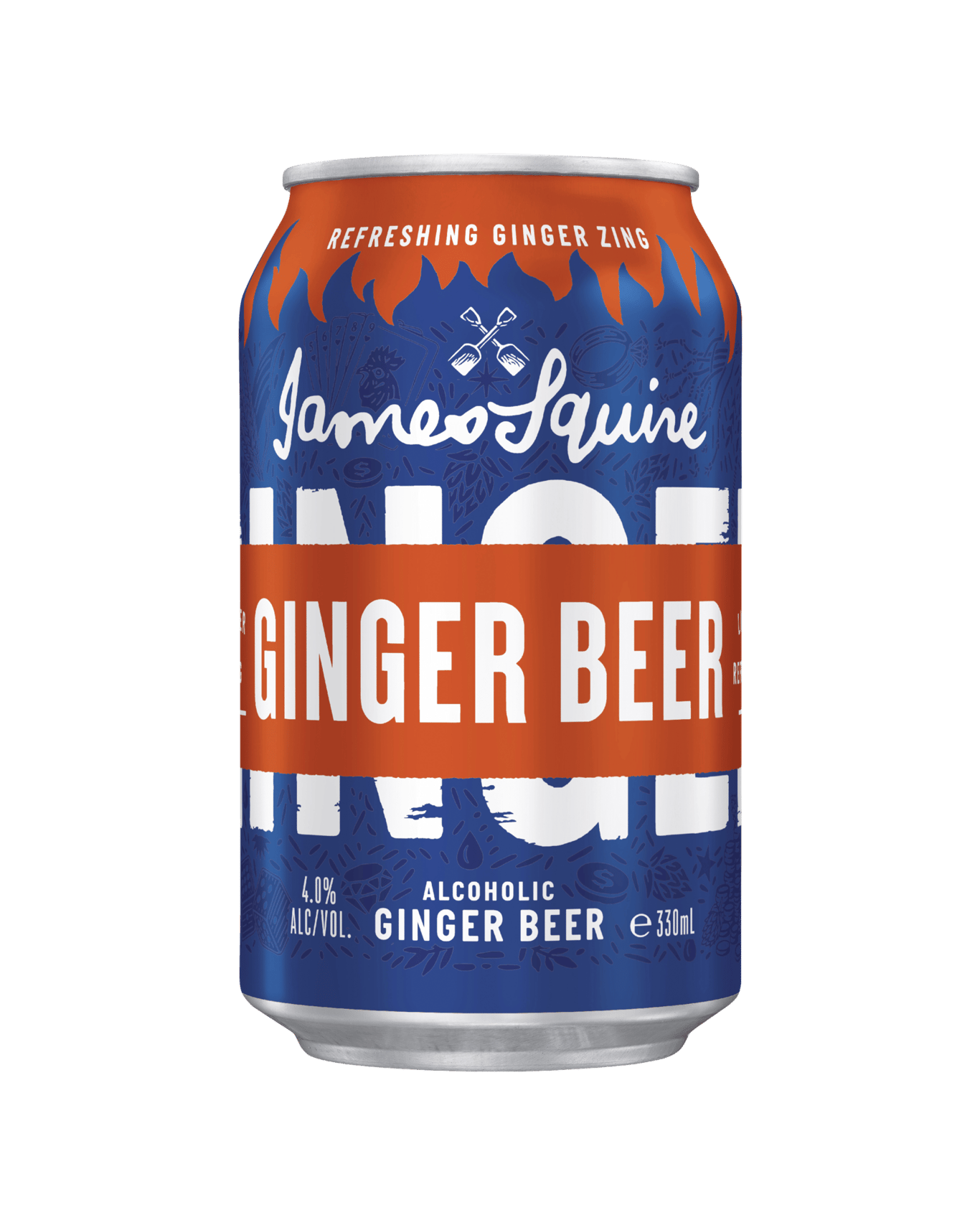
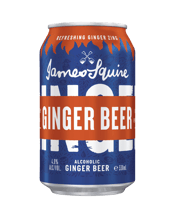
1. James Squire Ginger Beer
James Squire brought craft beer to the Aussie masses with modern-day classics like the 150 Lashes pale ale, but don’t overlook Jimmy’s ginger beer. This one is fairly soft as far as ginger beer goes, with a gentle ginger kick, a little sweetness and an approachable 4% ABV. We reckon this is best served in a tall glass with plenty of ice and little squeeze of lime to lighten it up. But, hey, the fact that it comes in a tin means this is also at home in a stubby holder while you ‘supervise’ your mate manning the barbecue.
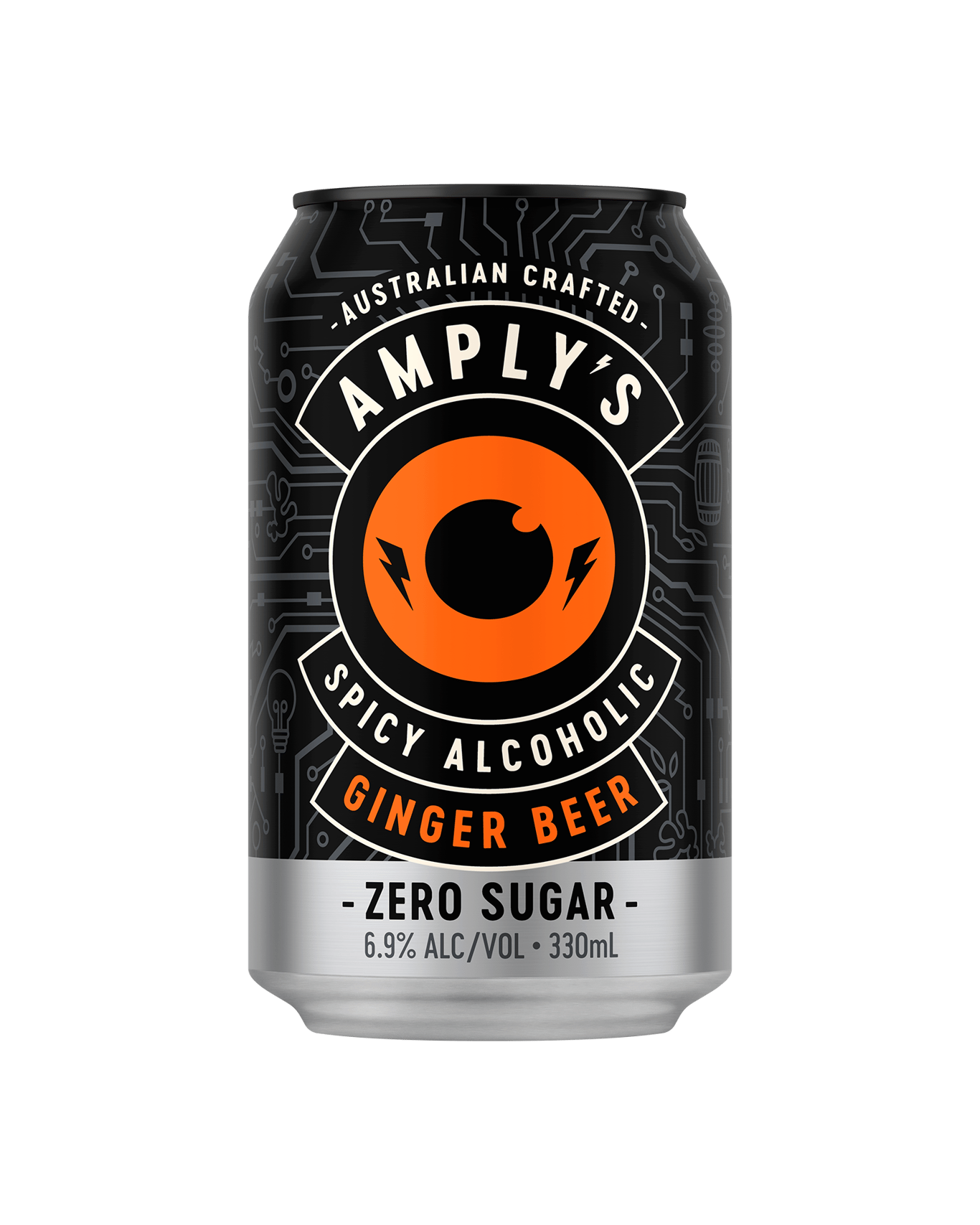
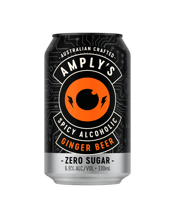
2. Amply’s Zero Sugar Ginger Beer
Amply’s Ginger Beer bills itself as spicy and that’s really the headline here. If you’re a fan of proper ginger heat, you’ll get it in spades, ratcheted up a few notches by the high ABV (6.9%). There’s also some extra texture here, which makes this the sort of ginger beer for those who aren’t into the soft drink-like versions out there. The other big thing with this one from Amply’s is that there’s no sugar. Considering sugar is a key ingredient and a big reason for ginger beer’s signature sweetness, that’s no mean feat. It’s perfect for equally flavoursome food – think fried chicken burgers with spicy chipotle mayo, grilled lamb kebabs or your favourite Friday night curry.
Click image to shop
Click image to shop
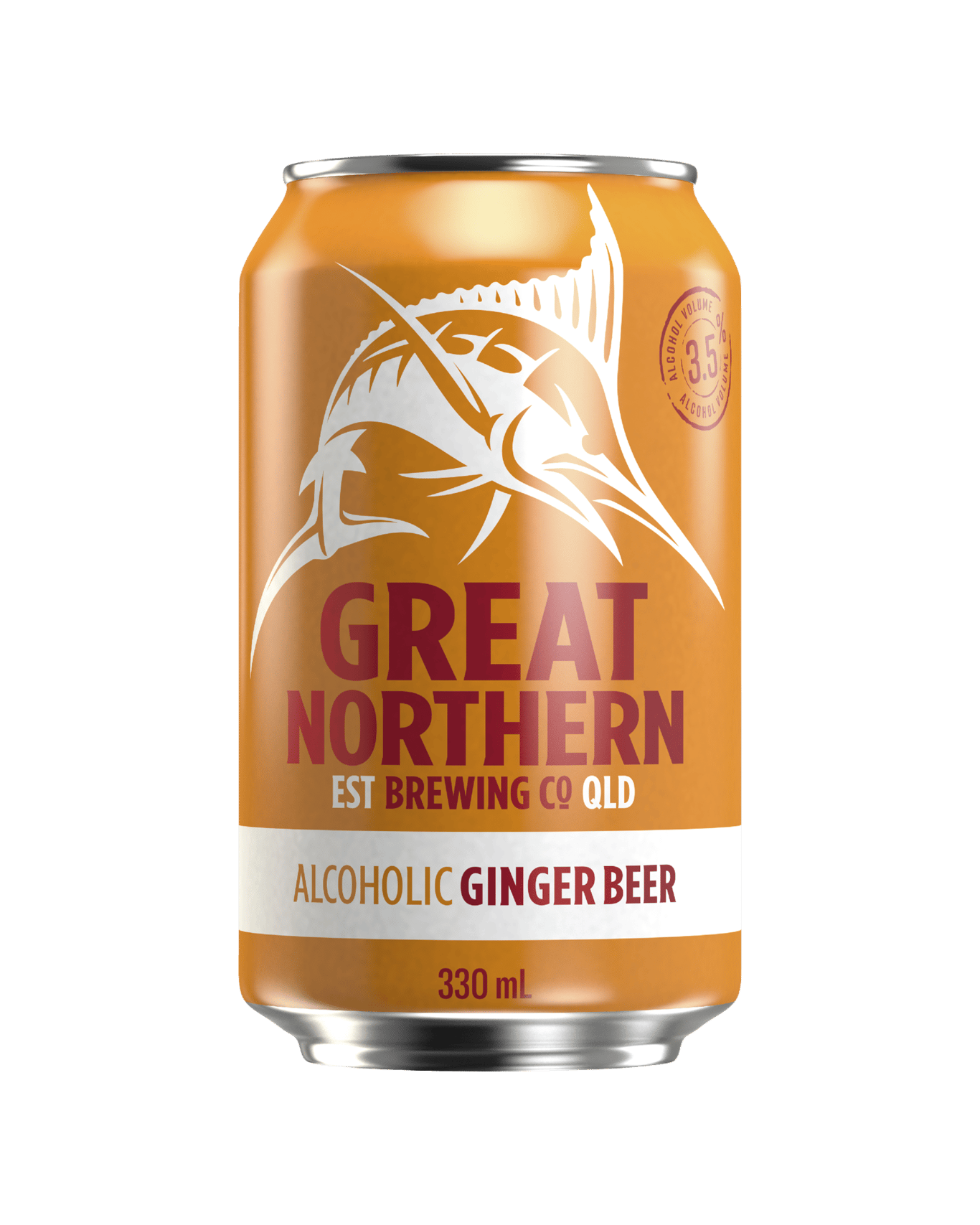
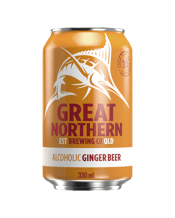
3. Great Northern Ginger Beer
Mid-strength brews are the Great Northern signature so we’d expect nothing less from the Queenslanders in a ginger beer. This is still pretty punchy for a 3.5% ABV ginger beer, with a reasonable amount of ginger spice and a balanced sweetness. The low alcohol content means this is a great candidate for mixing in place of your standard, non-alcoholic ginger beer. We’re thinking upgrades with new names like Mega Moscow Mule or Dark ‘n’ Cyclone, but we’ll leave those creative choices to you.
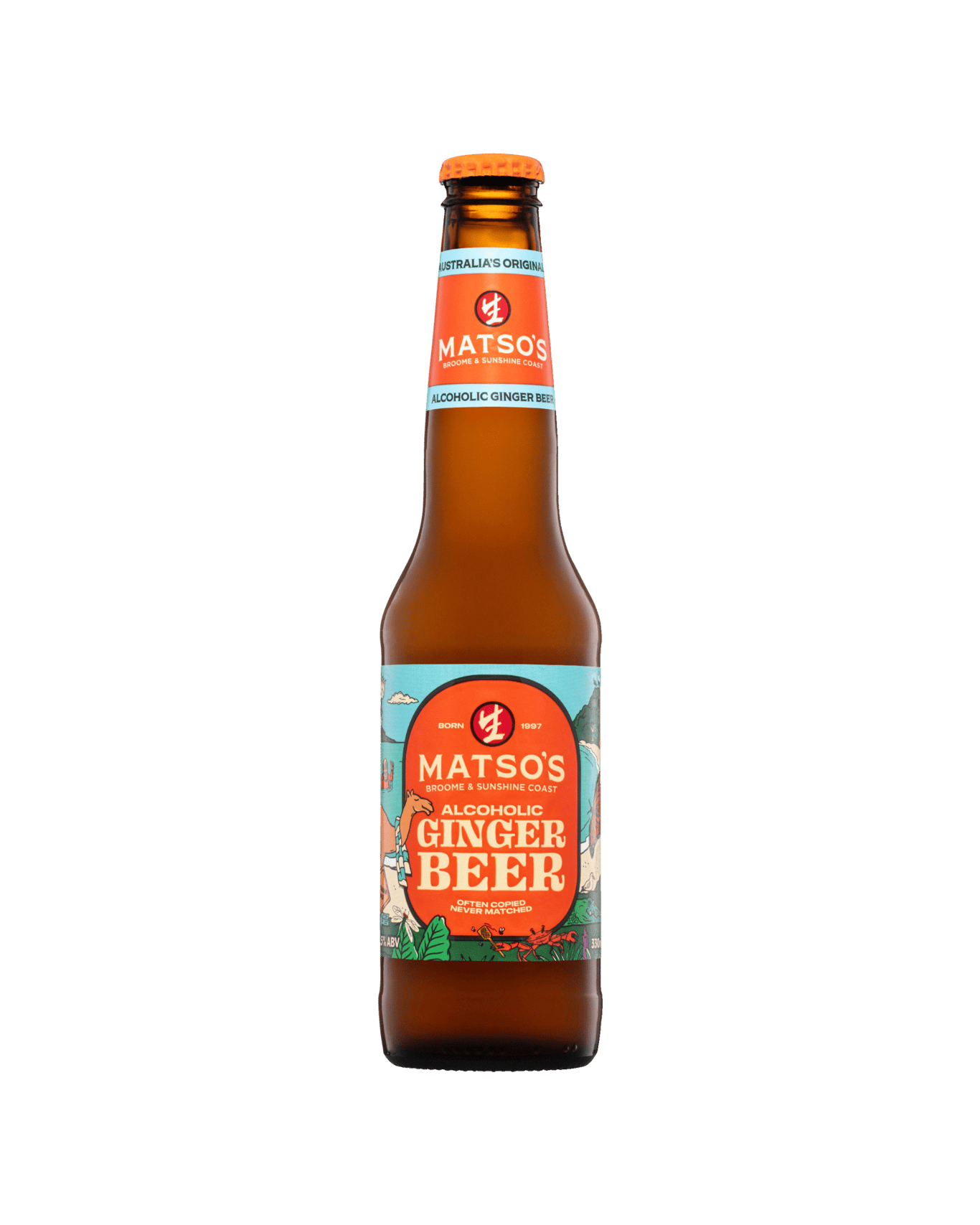
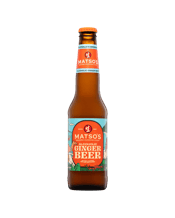
4. Matso’s Ginger Beer
There’s something about the blend of spice and sweetness that makes ginger beer one of the most refreshing brews going around, so trust a Broome-based brewery to make one of the very best versions. Like Great Northern, Matso’s is also a mid-strength, but it still more than holds its own with a nice ginger hit and just enough sweetness to remind you that you’re drinking ginger beer. The perfect beachside ginger beer? We think so.
Click image to shop
Click image to shop
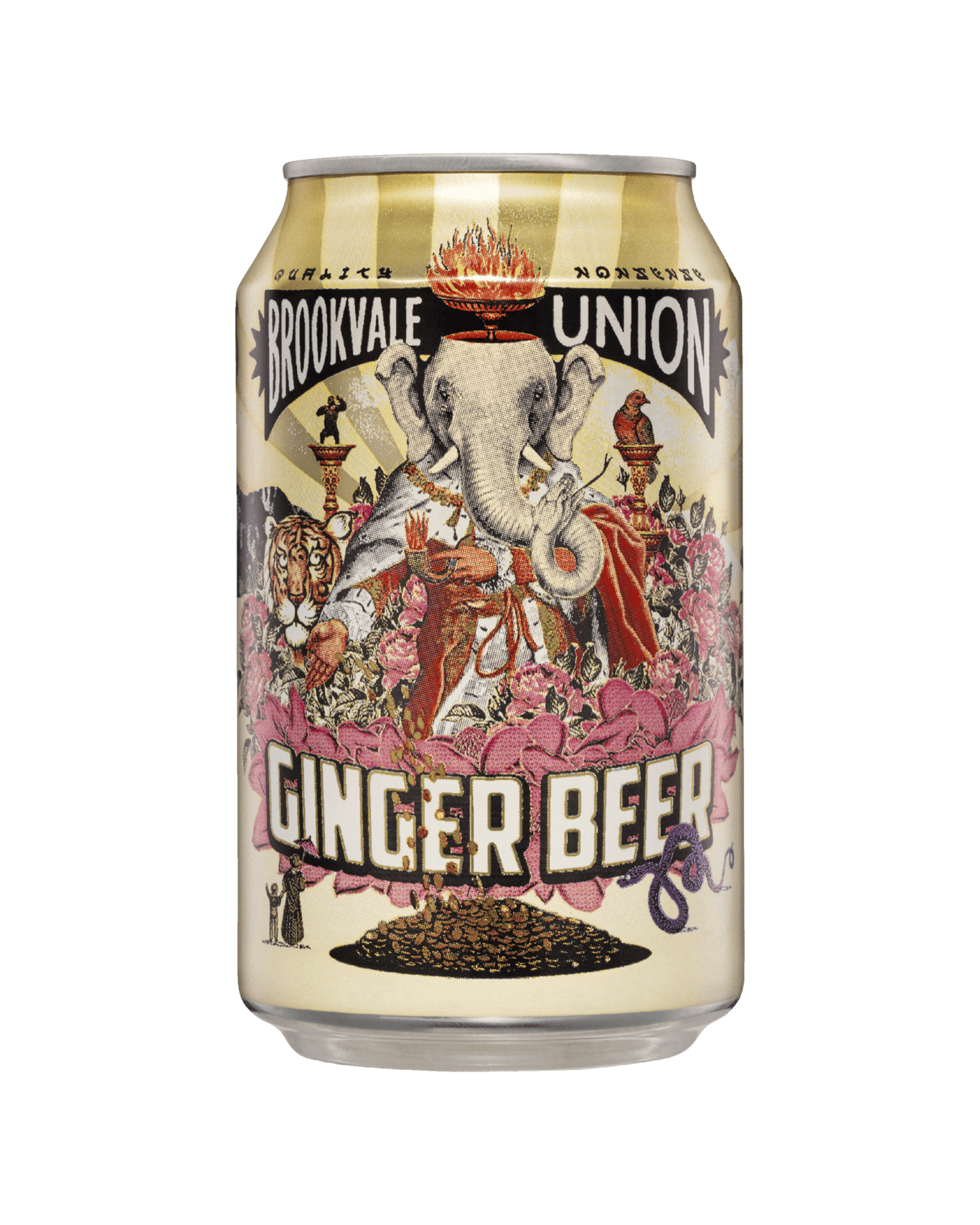
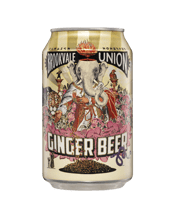
5. Brookvale Union Ginger Beer
Brookvale Union has made quite a name for itself with drinks on the sweeter side of the spectrum, brewing one of our favourite hard lemonades and a vodka-spiked lemon lime and bitters. But it’s the ginger beer that keeps us coming back, with a balanced 4% ABV, gentle ginger heat and decent whack of sweetness. There’s not much more to say, except that a wedge of lime in the glass and salty snacks on the side are a must.



%20(1)?$dans-daily-web-image$&hei=900)
?$dans-daily-web-image$&fmt=png-alpha&wid=800)