


From the minds of two esteemed hospo icons, Vicki Wild and Martin Benn.
American writer and filmmaker Nora Ephron famously wrote, “I believe it's impossible to have a good dinner party at anything but a round table.” While this is probably true (RIP, legend), this author feels there is something more telling of a good dinner party – an intangible feeling that eludes restaurant culture, bougie brunches, hotel bars, shapes of tables and big catered events. Put simply, a good dinner party feels like you’re coming home. It’s a safe space to make little fools of yourself, be obnoxious, gossip openly and laugh loudly, and, more importantly, it’s a place where serving suggestions are just that – suggestions. And while the best hosts make it look easy, much goes into the planning, prepping, filleting, sommelier-ing, curating and designing of the day.
It’s an intimidating feat, we must admit, but do not stress, the two most established dinner party savants in the country – chef Martin Benn and restaurant manager Vicki Wild, formerly of the three-hat restaurant Sepia – have packaged up all you need to know about being a host-with-the-most in their new book The Dinner Party. From cocktails, canapes and mains to the wines, ideal music and themes to serve up, it’s all in there (alongside stunning photographs by Kristoffer Paulsen). All you have to do is pick it up and read it. We chatted to Vicki and Martin, who also happen to be married to each other, all about it below.
Why would anyone throw a dinner party when there’s a wealth of cool restaurants, bars and pubs around? For Martin and Vicki, it’s all about excitement and intimacy. “I love the fact that people get excited to come and dine in my home,” explains Martin. “It’s one of the most generous and special gifts you can give to someone.”
Entertaining and cooking has always been a big part of Martin’s life. As a chef and restaurateur, dinner parties come naturally. “Not having a restaurant anymore means I miss that social aspect and the time it takes to prepare a special dinner.” Fortunately for us, he’s imparting his many years of wisdom in his new book. “The reason why Vicki and I decided to write a book was to demystify the work that goes into a dinner party,” Martin says. BUT – and both Martin and Vicki stress this – it ain’t a walk in the park. “I won’t lie to you; dinner parties are always an effort, but one I feel is worth the pain if you know how to.” So, if you’re up for the challenge, read on.
To make a dinner party seem effortless, there is a real need for organisation – not everyone’s strongest suit, but essential for that preened but not-preened, restaurant but not-restaurant feel. “Be organised,” Martin emphasises. “This is the sword by which you should live and die. Don't leave it all ’til the last minute and then try and throw it together on the last day.” This sounds pretty intense, but “mastering that art of organisation,” as Martin calls it, will help with the running of the day – what needs to be prepped first, what will need a few more minutes in the oven, how long it takes to debone a garfish, so on and so forth.

Will it be a silver service affair with white linens, fancy cutlery and very breakable glassware? Or do Martin and Vicki prefer a more spillable kind of party? “Of course, having owned one of the country's most successful fine-dining restaurants leaves us in good stead – it's what we do, right?” says Martin. But in reality, it couldn’t be further from the truth. “People really think Vicki and I fine-dine like that all the time at home or when we throw dinner parties, but it’s not true.”
Of course, that doesn’t stop them from enjoying some of the finer things in life. “Yes, we have beautiful things and that’s great to dine with, but the food is honest and delicious – just great produce cooked well,” explains Martin. “But I must admit,” smiles Vicki, “I do love a candelabra.”
The most important part of any dinner party is the food (and liquor). Particularly, the flow of food. You don’t want any hangry guests wandering around; those naked ingredients in the fridge might start disappearing. So, all hosts need to be sure snackage and drinks are ready from the get-go.
But before we chat canapes and cocktails, a mood needs to be set. Is this a themed party? Who are the guests? Or is it based around a holiday? “Our dinner parties are based on who’s coming, the season, if it’s six or more, and if the guests know one another,” says Martin. “Then I guess it’s just about making it fun!” The two have experimented with many dinner-party themes in their book and real life, including a “red theme”, which is open to creative interpretation. “Some people dress up in red or bring a bottle of red wine or red flowers – it’s cool to get people in the spirit,” says Martin. The red theme also extends to the food served. Dishes like ‘Tomato Tartare on Toast,’ ‘Better than Hasselback Potatoes’ and ‘Lamb Shanks, Pomegranate and Charred Peppers,’ all wonderful hues of red, and all found within the pages of their beautiful book.
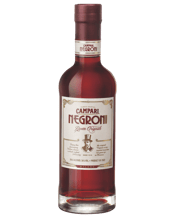
Once a theme is picked, it’s time to think about the canapes and cocktails. The first impressions, if you will. Martin loves a Negroni or Gin Martini, while Vicki can’t go past a Martinez. “It's just a drink that kicks off the night,” explains Martin. “I’d pair it with briny white anchovies on toast, which is a really nice way to start a party.” There are a tonne of great canape suggestions found in the book, so go nuts.
We’ve sorted the cocktail situation, now onto the wine and non-wine options. Sans having an actual sommelier working the room and pouring the wines, Vicki and Martin have shared their wine rules of thumb to make pairing and sipping easy and fun. “Always try and start with a Champagne or sparkling wine – it's easy and gets you off to a good start,” suggests Martin. He explains that unless it’s a real fancy wine dinner full of wine people, it’s best to keep it simple. “Pick a few bottles of white and a few bottles of red that will go with each course.” Oh, and never run out of wine, says Vicki. Best way to do this on a budget? Ask your guests to bring something along to share with the group.
But not everyone drinks wine – or even alcohol, so what to serve our sober-curious friends that’s better than a glass of juice? “We are big on tea and love to match food with different styles of tea such as Sobacha, Hojicha or a Genmaicha,” Martin explains. Failing that, Vicki suggests a good ol’ Seedlip and tonic.
After dinner, the two are fans of classic digestifs. “My go-to at the moment is Cynar – a bittersweet liqueur made from artichoke leaves, herbs and spices,” Martin says. “Just pour over ice and drink it neat.” As for Vicki, it’s a Montenegro on ice for her glass.
For as long as there have been dinner parties, there have been awkward squabbles over the table. It’s part and parcel of hosting a group around a table. Blaring silences, eye rolling, and a decimal-too-loud-to-be-a-debate debates are all to be expected when dinner and people are concerned. You can, however, take steps to avoid a hullabaloo. Mainly with planned seating arrangements and steering clear of touchy subjects. “We always plan the seating, but our pet hate is when the dinner party gets divided into two or three groups,” says Martin. “We try to keep one conversation happening around the table. It's so much more convivial!” Alternatively, you could limit the number of guests at your soiree. “I think the perfect number of guests is six,” explains Vicki. That way, you get the chance to talk to everyone and each guest feels included.
Regardless of best intentions, things can and will get awkward. For Martin and Vicki, the uncomfortable silences and “heated” discussions occur around politics. “Politics is the leading cause of a disastrous night. Conversation can get heated and passionate, so be careful if you’re thinking of entertaining this idea.” In other words, let’s keep it light, people. All else failing, make sure you have a tension-diffusing playlist; you can find helpful suggestions peppered throughout their book.

Cooking for six or more people is always going to cost a bit, but still not as much as you might spend in a fancy restaurant. To help lower the costs, Martin suggests sticking to seasonal cooking and secondary cuts of meats. “Shanks or short ribs in braises and curries are great,” says Martin. “They are pretty economical and have bags of flavour.” Vicki suggests giving their Negroni Rigatoni a spin for a budget-friendly meal – “It’s such a winner!”
There’s also no shame in asking your pals to share the costs. After all, you’re providing the space, the labour and the clean-up – good friends are more than happy to pitch in.
This author once melted a full spatula in some French toast, and then set a tea towel on fire… Not their finest moment, but this stuff happens. It’s part of the excitement and theatrics of the dinner party. Preempting these moments is how we avoid stress (and potential house fires). Things like shoving all your white wine and Champagne into the laundry sink with some ice to free up some space in the fridge (thank you, Martin) or practising the dishes on a smaller scale before serving them to your guests. “Don’t leave anything to chance,” says Martin. “The reason that restaurants can produce good food in a timely manner is basically good old-fashioned practice. We have a saying in restaurants: Never test it out on your guests.”
And with that, it’s time to start planning your own dinner parties. Ones with exciting themes and brilliant foods; plenty of wine and friendly conversations. A safe space for friends, family and acquaintances to let loose and feel as though they’re “coming home”. But, maybe not too homey – after all, everyone needs to be out by midnight.
Pick up a copy of Martin and Vicki’s astounding book The Dinner Party for all their favourite recipes, desserts, tips, tricks and thoughts, and make your next soiree Martin and Vicki-approved.












%20(1)?$dans-daily-web-image$&hei=900)
?$dans-daily-web-image$&fmt=png-alpha&wid=800)