


Beer, cider, cocktails, spirits, liqueurs – we’ll eat cheese with just about anything.
Wine and cheese is a pairing that gets all the headlines and, honestly, that’s mostly fair. In the immortal words of John Travolta and Olivia Newton-John, they go together like rama lama lama ka dinga da dinga dong. It’s the way it should be. But what if (whisper it) we don’t feel wine with our cheese board tonight? Well, friends, there’s plenty of fun to be had heading down other paths, too.
Matching wine with cheese can work well because wine often has acidity or tannin that balances the richness of cheese, plus fruit flavours that complement everything the cheese brings. Plenty of other drinks, though, have what it takes to balance, heighten, complement and contrast the characteristics of our favourite cheeses, meaning there’s a proper rabbit hole of interesting pairings to lose ourselves in. Here, we round up a few of our faves.
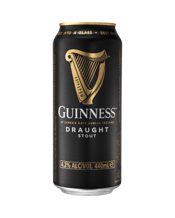
Stouts – along with porters and dark ales – occupy the roasty, toasty side of the beer flavour spectrum. We’re talking flavours like coffee, chocolate and maybe a little caramel in the mix for good luck. While stout is already our go-to cool-weather beer style, a hint of smokiness can take things even further – something provided in spades by smoked gouda.
Gouda is a typically sweet-and-creamy Dutch cheese (although aged versions can pack a punch), but smoking gives it a warm, wintry character that really works well with the roasted notes in stouts. It heightens flavours of coffee, brings depth to the stout and helps the cheese hold its own against the richness of the beer. Being a relatively subtle flavour though (beyond the smoke), it’s best not to go for a stout that’s too intense when pairing with smoked gouda. For imperial stouts, keep your heavy blue cheeses or bitey cheddars at the ready.
There’s a reason why we often add a drop of water or a cube of ice to whisky – the spirit is intense. In general, that makes whisky a good candidate for cheese pairings, because the lipids in cheese (the fatty compounds, basically) coat the mouth and soften the intensity of whisky. Seriously – put whatever cheese you have together with whisky and you’ll likely find a nice, soft, flavoursome pairing that keeps the whisky’s bite in check while letting those flavours on through.
For a pairing with a little more nuance, though, we’re big fans of matching a sharp, nutty and savoury aged cheddar with a slightly sweet and fruity Scotch whisky – something aged in port or sherry barrels will generally do the trick. Here, the sweet notes of the whisky balance the sharpness of the cheddar, while the spirit’s fruit flavours create a lovely counterpoint to the cheese’s salty, savoury flavours, in the same way that dried apricots or figs do on the cheese board.
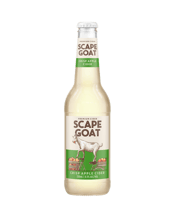
Every time we roast a chicken or braise a pork shoulder and pull out a chardonnay, a cider loses its wings. Okay, maybe that’s a touch dramatic, but cider has every right to feel forgotten when it comes to food pairings because it is a fantastic, underappreciated match for plenty of dishes – cheese very much included.
Apple cider comes in all sorts of forms – from the rustic, tannic and dry ciders of old England and France to the sweeter, softer modern types – and they all have their place when it comes to cheese. For those more modern styles with a hint of sweetness and plenty of carbonation, we’d be reaching for a creamy, nutty and slightly-mushroomy camembert. Those crisp apple flavours, green apple acidity and crunchy mouthfeel will lift the camembert and make you forget all about white wine for a while.
There’s a school of thought that salty, intense blue cheeses are best matched with dessert wines like Sauternes and other botrytis (AKA noble rot) styles. The reasoning is more than sound: the brashness of a funky, salty blue gets tempered by the intense sweetness and acidity of a botrytis wine. It is, quite frankly, a sublime pairing, but there’s more than one way to get that sweet/sour/salty combo.
The Whiskey Sour cocktail blends lemon juice, sugar, whiskey (usually bourbon or rye) and, optionally, egg white to add a silky fluff to the drink (to editorialise a touch, I prefer it ‘Prohibition style’ without the egg white, like they do down at the tiny, excellent Whisky Den in Melbourne). The result is a sweet, acidic, whiskey-forward cocktail that absolutely loves the company of cheeses like Stilton, Roquefort or any potent local blue. And, if you’re out of lemons or not a whiskey fan, the Sour cocktail formula (citrus, sugar, spirit) makes plenty of great cocktails like the Gimlet and Daiquiri, so get adventurin’.
Chevre – which is a goat’s milk cheese – is a great addition to a cheese board because it hits a few marks many other cheeses don’t. It’s spreadable-soft, creamy, a little tangy and hides a few fruity notes in there, which contrasts well with your sharp-and-savoury hard cheeses and salty, funky blues. Something to keep in mind for your next spread?
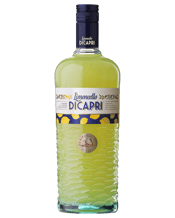
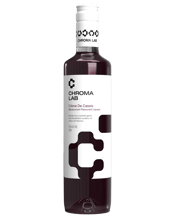
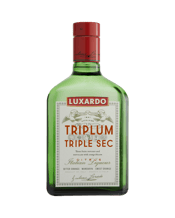
Pairing-wise, the unique and moreish flavours of chevre really ask for something sweet and subtly fruity, which is why we’d be inclined to reach for a frosty glass of limoncello. Limoncello preserves the intense flavours of the lemons that so bravely give their rind but, usually, none of the acidity. Add a hefty dose of sweetness to the mix and you’ve got something that can balance chevre’s tang while heightening those subtle fruity, citrus notes. You could also take this template (tangy, creamy chevre, sweet-and-fruity liqueur) and branch out with liqueurs like framboise (made with raspberries), creme de cassis (blackcurrant), triple sec (orange) – anything you like.





%20(1)?$dans-daily-web-image$&hei=900)
?$dans-daily-web-image$&fmt=png-alpha&wid=800)