


Once considered a crazy idea, screwcap-sealed wines are now everywhere, thanks to a bunch of pioneering Aussie producers.
When it comes to wine, Australia can take the credit for some incredible innovations. Take cask wine, for example. That was us. Well, Tom Angove of Angove Family Winemakers, to be exact. Just over 60 years ago, the winemaker created a bag to hold wine and packaged it within a box, and we’re still working with his genius idea today (oh hey, bagnums).
Then there’s the uniquely Australian, excellent red blend of cabernet with shiraz – a combination not possible in the two grapes’ native France due to strict regulations. There are so many more, but our favourite development? That might just be the screwcap. And with Australian Wine Month upon us, we think that’s worth celebrating.
Australia didn’t technically invent this clever bottle seal, but we did initiate its creation. Back in the 1960s, Barossa winery Yalumba commissioned a French company to develop a screwcap seal for wine bottles, and the closure we know today was born. Together with a group of other wineries, including Hardys Wines, McWilliam’s Wine, Penfolds, Seppelt, Brown Brothers and Tahbilk, Yalumba was involved in developing and proving up the concept in the early 1970s, and first used it commercially in 1976.
The earliest trials of similar bottle tops date back to the 1930s in the US, but the screwcap – and its all-important inner liner – continued to evolve and improve over the years, and the French version nailed the brief. While a handful of Aussie companies tested the screwcap in the 1970s with impressive results, it still took another couple of decades before it was really embraced. Even then, it was a tough sell – the screwcap was seen as a cheap alternative and a serious step down from cork.
Despite all the romance and ritual associated with cork, this natural seal has some flaws. The main one is cork taint, where the presence of musty aroma compounds can make a wine smell and taste dank and mouldy – think wet cardboard and even wet dog. Another issue is that it’s possible for cork to dry out within a bottle, which can let in too much oxygen and spoil a wine. And due to inconsistency among corks, cork-sealed bottles of the same wine, stored in the same conditions, can age very differently and unpredictably. Screwcaps therefore offer a comparatively stable and consistent way to seal a bottle of wine and keep it at its best.
That said, the quality of cork has risen dramatically since the mass move to screwcaps, so it now comes with significantly less issues. Plenty of Australian wineries still use cork for their wines – often the top-tier releases – but for the many producers who’ve lost a lot of wine to cork issues over the years, there’s no going back from screwcap.
In 2000, a group of winemakers in South Australia’s Clare Valley – home to some of our best riesling – decided to bottle their wines under screwcap. Delicate white wines are particularly susceptible to cork issues, and the producers had enough. It wasn’t just about losing stock – it was also damaging brands, with drinkers blaming a winery for tainted wine instead of a faulty cork. And so, the Clare makers committed to the switch and led the charge with a major publicity campaign to champion the move. Within a few years, most wineries in Australia had followed suit, and New Zealand was close behind.
Screwcaps were a revolutionary ‘it’ll never work’ idea at the time, but, today, almost all Australian wine is sealed in this way. After nearly 30 years of widespread use, screwcaps have proven that wine stays in peak condition while also still evolving in the bottle, which many believed only cork could do. Despite all this, international producers and drinkers have been harder to convince, especially in Europe. As a result, some Aussie wineries still seal their export wines under cork because screwcaps remain a hard sell in certain markets.

Click image to shop
Wines to try
We could have selected countless wines to feature here, but these are excellent examples that benefit from the screwcap.
1. Grosset Springvale Riesling
Jeffrey Grosset is one of Australia’s greatest riesling makers, and he was instrumental in the move to screwcaps, together with fellow Clare Valley producers. This wine showcases everything that makes his take on the variety so great. Think fresh lime and lemongrass aromas, lemon flavours and a vibrant minerality. If you’re yet to embrace riesling, this is the wine to try.
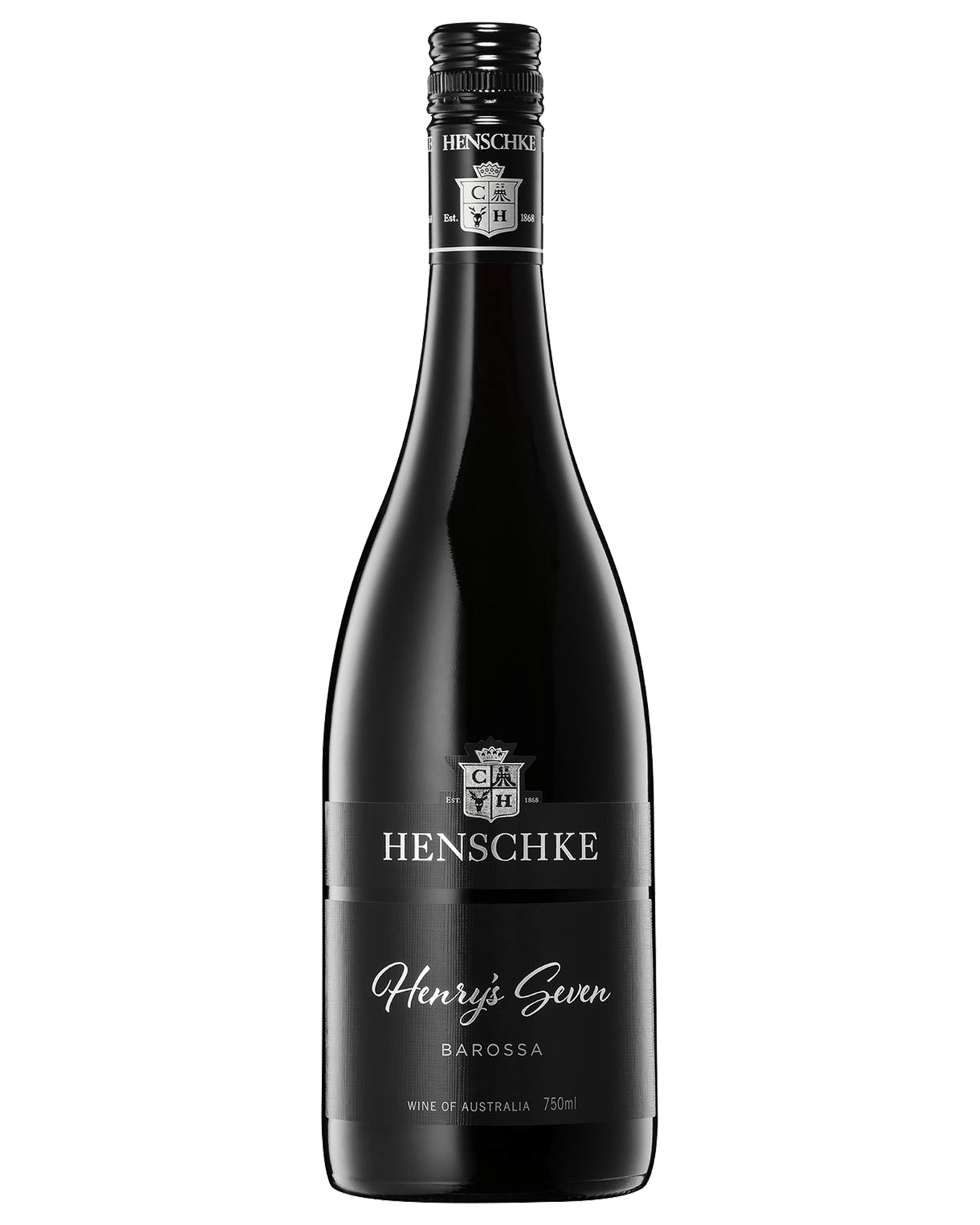
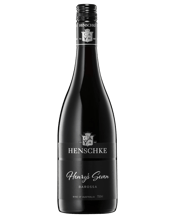
2. Henschke Henry’s Seven
Henschke is responsible for some of our greatest benchmark wines, including their pinnacle shiraz, Hill of Grace. Here, though, they’ve made a standout, approachable red blend from shiraz, grenache and viognier. It’s perfumed, with rich fruit flavours and a smooth palate, and it offers an accessible taste of one of Australia’s greatest producers and what they do best.
Click image to shop

Click image to shop
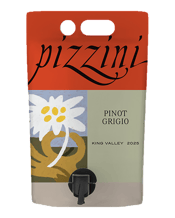
3. Pizzini Pinot Grigio
Bright white wines are all about fresh fruit flavours and vibrant characters, and this pinot grigio from Pizzini has all that in spades. From the cool-climate King Valley in Victoria, this wine has intense aromas, ripe pear flavours and a zesty acidity that keeps it lively. If, however, you’d prefer to celebrate Tom Angove’s invention, you can get this in a bagnum instead, and enjoy the evolution of his brilliant idea.
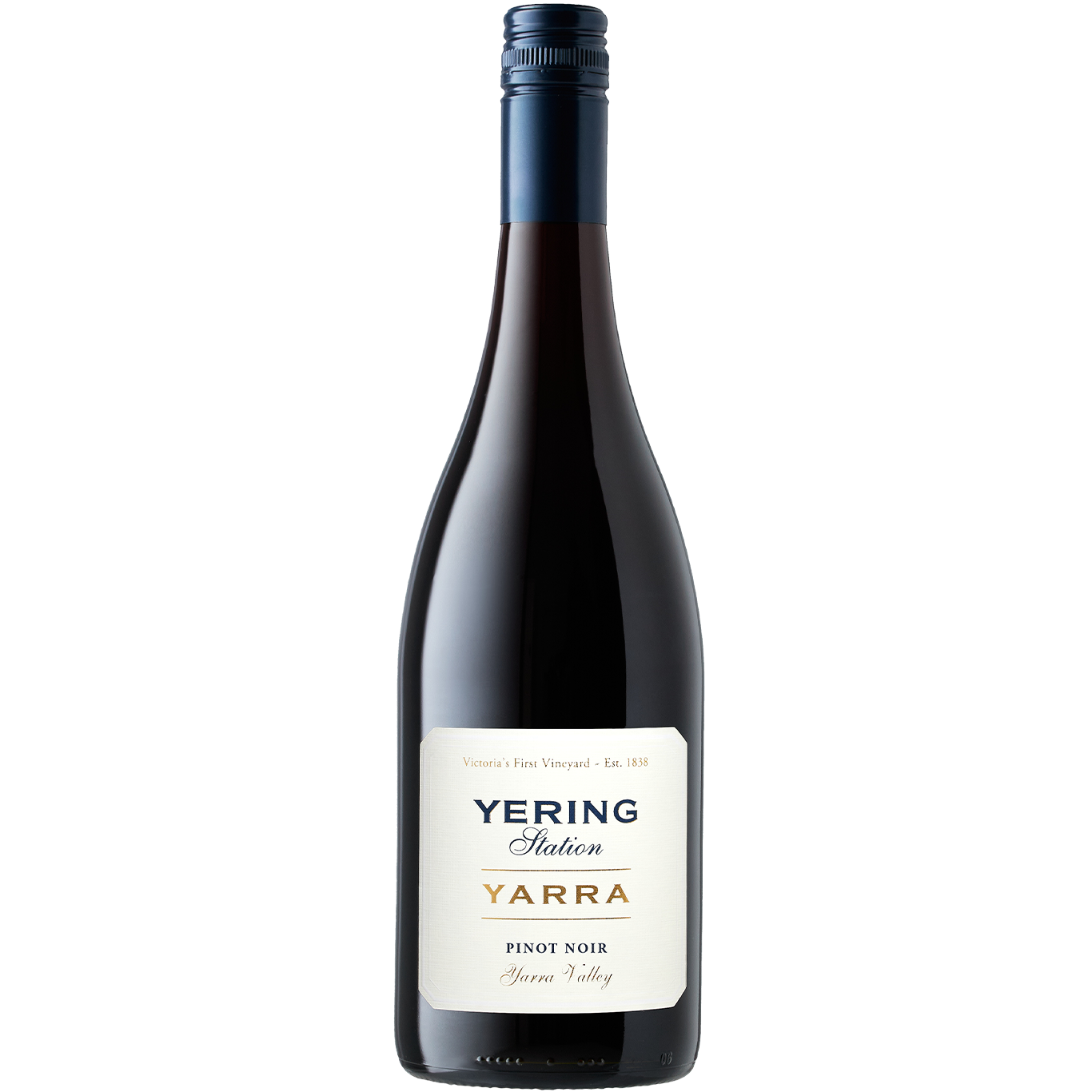
4. Yering Station Pinot Noir
Yarra Valley pinot noir is one of Australia’s flagship varietal-regional combinations, and this is an excellent example of why it’s so well loved. Expect red and black fruit flavours that mingle with earthy notes and a savoury spice, and there are floral hints that lift the wine, too. It’s not easy to find a pinot noir of this quality at this price.
Click image to shop





%20(1)?$dans-daily-web-image$&hei=900)
?$dans-daily-web-image$&fmt=png-alpha&wid=800)