NOW EXPERIENCING:The right way to open a super old bottle of wine
Learn|DIY How to|Wine 101|Wine

The right way to open a super old bottle of wine


Read time 4 Mins

Posted 02 May 2024

By
Alexandra Whiting


A bottle of Beaujolais on a cabinet shelf with glassware

No crumbly old cork is going to ruin your night.

You’ve got yourself a fantastic aged wine, ripe for the drinking (look at you!). Now the only thing left to do is open it up. This could be easy as pie, but it could also be quite the pickle. Taking a little caution will save a lot of heartache, so, we’re examining all the steps, stages and paths you can take when opening your wine to ensure it is the best drop it can possibly be. And no one will remember the night as the one when you made a really expensive mistake.
Before you even think about picking up a corkscrew…You want to stand the bottle upright for at least 24 hours before you open it. Why? Because as a wine ages, the natural precipitation of the tannin-anthocyanin complexes that give a wine its structure and colour may grow too large or heavy to stay in the solution, so they fall to the bottom. It doesn’t affect the taste or quality of the wine – it’s actually a sign things have been going well – but it isn’t the nicest thing to get a mouth full of grit with your merlot. If your bottle has a cork, then it’s most likely been stored on its side, or at an angle – which is totally correct as this keeps the wine in contact with the cork to avoid it drying out – but you want to stand it upright in a cool, dark, dry place for a period before you drink it so the sediment falls to the bottom of the bottle.
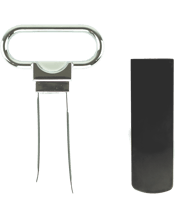
Operation: get the cork out intactThe tool you use for this delicate endeavour should be based on what you know about the bottle. If it’s 20 years old or less, your normal waiter’s friend should be fine. Just go slow, and be gentle – you’re dealing with one old and probably fragile cork that’s potentially fused to the bottle, dried out from heat, or soaked from rough handling. The tool of choice for any cork you suspect might be crumbly, or that is older than 20 years, is a two-prong cork puller, sometimes known as an ah-so. It looks like a large set of tweezers with a handle on top. It grips the cork from the sides as you gently rock it up and out (YouTube it for a demo). The reason it’s the preferred option is because a wine key on a crumbly cork will just rip it up and you’ll end up with a heap of floating cork bits in your wine. Not great.
What to do if (despite your best efforts) the cork crumbles into the bottleSo, the worst has happened, and there’s cork in the wine. This can be fixed. A crumbly cork in the wine does not mean the wine is bad, it just means you need to get them out. The easiest way to remove them is to filter the wine through a fine mesh – either cheesecloth, a strainer or a sieve.
To decant, or not to decant

Decanting a bottle is a great way to get the best taste out of your wine. It increases oxygen exposure and improves the flavour. It basically fast-tracks a young wine to something to maturity. The issue with this on a super-old bottle that has hit its peak the old-fashioned way is you’re at risk of taking it too far and losing some of its yum in the decanter. The experts would tell you anything hearty like a Bordeaux, cabernet or shiraz should be able to handle decanting, but anything more delicate, like a Burgundy, might not take it as well.

The major benefit of decanting an old bottle is to separate the juice from the sediment, firstly in the pouring from the bottle to the decanter, then from the decanter to the glass. Again, this is where cheesecloth or a sieve can come in handy. Decanters are usually clear glass, so they are easier to see sediment than the dark wine bottles. Win, win!

Keen for more tips and tricks about wine? We have a load of Wine 101 articles that tell you everything you need to know. 
image credits: Julia Sansone (photography), Bridget Wald (styling).