


A bar owner, wine company director and wine merchant walk into a bar – and predict the next big thing.
Love to get the jump on the big trends? Us too. That’s why we called on three savvy wine people to share their predictions for the year to come. We asked a wine bar owner, wine company director and Dan Murphy’s Wine Merchant to tell us which wines are building some buzz right now. What are the wines we can expect to see a whole lot more of in 2025?
And if you don’t care for trends – but do love wine – these three experts have some solid ideas about which bottles to seek out that will take us beyond our usual picks. And that’s always a very good thing.
- Q.1. Which variety or style do you think will be huge this year?
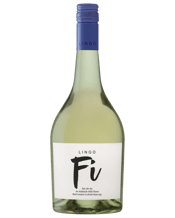
“Italian and Spanish grape varieties grown in Australia are the way to go for me. We’re seeing an increase in temperatures and frequency of heat waves, and this is affecting vine harvests and putting pressure on water resources. Planting varieties that can thrive on minimal irrigation will become more important as time goes on. Fiano, from Italy, is well-suited to our soils as it naturally retains acidity in hot climates. In the reds, I think barbera will make a big surge in the next few years due to its tolerance to drought, and its dark fruit and spice characteristics. Grenache is also making a comeback, with lighter styles proving a great substitution for pinot noir.”
- Q.2. Why fiano?
“It can be made in different styles. People might know it as an easy drinking, crisp wine with green apple and citrus notes, but producers are now barrel-ageing it to create oaky, bold styles as a more affordable alternative to chardonnay. There are also plenty of leaner, more mineral styles for those who prefer something more refreshing. We’ve had a delicious fiano on by the glass for a while now and it’s been popular. I believe it’s going to be a core grape variety in years to come.”
- Q.3. What makes it such a great wine?
“Fiano’s versatility and affordability make it a great wine to enjoy year-round.”
- Q.4. Can you compare fiano to another wine variety?
“For the leaner versions, I’d liken it to a Petit Chablis or Eden Valley riesling. The fruit-forward versions tend to have similarities to sauvignon blanc, and the oak-driven styles would be similar to Aussie chardonnays.”
- Q.5. Which regions or brands should we be seeking out?
“Any time I’m on the lookout for new and exciting varieties, I always ask for help. Whether it’s at your local wine bar, bottle shop or winery, the best recommendation I can give is to never be afraid of asking for help. Wine shelves and restaurant lists can be very overwhelming. I can speak on behalf of most hospitality crew that we’d rather help you find a bottle you love or looking for, as opposed to you picking something you aren’t that into. My top three producers of Australian fiano at the moment are Chalmers from Heathcote, Unico Zelo from Adelaide Hills, and Alpha Box & Dice from Langhorne Creek. All offer very different styles and wonderful depth of flavour at fantastic price points.”
- Q.6. How should we serve fiano?
“I enjoy leaner styles at cooler temperatures – around 6 to 8 degrees – and fuller-bodied styles with oak slightly warmer at around 12 degrees to allow those bold flavours to shine through. My favourite pairing would be marinated mussels or cured mackerel with pickled onion, but the oaky styles would work wonderfully with pastas and chicken.”
- Q.7. Any advice for people who always go for the same wine?
“I understand the fear of changing grape varieties or styles, particularly as you’re spending good money on something you can’t return if you don’t like it. If you’re craving a change, pop down to your local wine bar and ask the team what they’re drinking at the moment. You’re only committing to a glass, and it’s all wine at the end of the day!”
- Q.1. Which variety or style do you think will be huge this year?
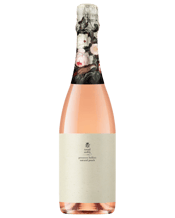
“It will be another big year for Spritzes, particularly prosecco blends, led, of course, by lemon, but including many other flavours, too.”
- Q.2. Why Spritzes?
“They are giving people what they want, with a flavour profile they love, in a package they can clearly recognise and understand.”
- Q.3. What makes it such a great style?
“Put simply, they are delicious. They have a fresh and easily enjoyed flavour that puts you in the moment.”
- Q.4. Which regions or brands should we be seeking out?
“Go for whatever’s front and centre in every wine fridge these days. The market starts with Zonzo, but we are very proud of the range of prosecco flavours from Tread Softly.”
- Q.5. How should we serve this style?
“However you want! These wines are wonderful to start with, but if you want to drink them all the way through a full meal, go for it.”
- Q.6. Any advice for people who always go for the same wine?
“Again, you do you – I’m not going to start telling you what to do. But I would possibly suggest you’re missing out on some of the fascination of the diversity of wine.”
- Q.1. Which variety or style do you think will be huge this year?
“I’m not sure what the scene is like on the east coast, but over here in the west, there’s a growing interest in Spanish and Italian varietals. Tempranillo has increasingly been in demand for the past few years, but I think the wine to watch is albariño.”
- Q.2. Why albariño?
“People are curious and wanting to try other dry styles of white wine. Interestingly, Deep Woods Estate in Margaret River planted some of this varietal and made a gorgeous 2024 Single Varietal Albariño, which won a gold medal and the Best Alternative White Wine Trophy at the 2024 Margaret River Wine Show. I think it’s a crowd pleaser, and most people can enjoy its characteristics and flavour profile.”
- Q.3. What makes it such a great wine?
“This white grape, native to the north-west of Spain and north-eastern Portugal, makes such a delightful dry white wine to enjoy in summer. It’s racy, saline and has white peach and nectarine flavours. It’s also well suited to growing in our climate, and it’s an excellent wine to pair with locally sourced ingredients.”
- Q.4. Can you compare albariño to another wine variety?
“If you like pinot grigio or the bright acidity in sauvignon blanc, you should like this, too. Albariño can be textural with stunning white flowers, citrus peel and sea-spray notes.”
- Q.5. Which regions or brands should we be seeking out?
“I love to show customers Azulejo. It has everything you want to see in this style of wine – the fruit, the zippiness and a bit of texture when it warms up in the glass. It also has the G.I. sticker on the back of the bottle, which guarantees its origins from Rias Baixas in Galicia, Spain. When you’re ready to explore further, try the Pazito from Marques de Murrieta – it’s one of my all-time favourites.”
- Q.6. How should we serve albariño?
“Well chilled and in good company. The Galicians and Portuguese like to pair it with fish, grilled octopus, oysters, prawns and other seafood. We love it here with grilled Fremantle octopus, Exmouth prawns and grilled marron from the south west, as well as Coffin Bay oysters. You can serve it as an aperitif, too.”
- Q.7. Any advice for people who always buy the same wine?
“Sometimes we get a little scared to try something new because it can be a risk that we won’t enjoy it as much as a wine we already know. But I encourage people to reach out to a Wine Merchant or a wine professional at their local restaurant to find similar wines. There are so many talented producers and people working in wine who are putting so much effort, passion and love into their work that it’s worth seeking out new favourites. It’s like saying only one winery makes a great shiraz in the Barossa – absurd! There are so many wonderful wines to try in this country.”






%20(1)?$dans-daily-web-image$&hei=900)
?$dans-daily-web-image$&fmt=png-alpha&wid=800)