


It’s the DIY project you never knew you needed.
For the deep dive, check out our chat with Dave Spanton (owner of Piccolo Bar, The Hook and Vermuteria) about all things amaro here – but basically, amaro is a bittersweet Italian liqueur that was originally used for medicinal purposes (obviously not anymore). These days, we drink it because we (some of us, anyway) like the taste, and as a digestif it’s supposed to settle the stomach and help with digestion after a big spaghetti feed. It’s all very Tony Soprano/Michael Corleone if you ask us.
Amaro is made by soaking botanicals like roots, spices, herbs, citrus and even veggies (just to name a few) in a base alcohol. Then, that liquid is mixed with sugar and aged in casks or bottles. Amari (that’s the plural) can range in flavour from sweet and citrusy to intensely bitter. There aren’t any hard-and-fast rules, which is why amaro can be made anywhere, with anything, including in Nonna’s bathtub (mmmm bathtub amaro).

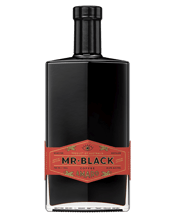
Important: Before you begin, think about what flavours you want in your brew. Some people like their amaro punchy and bitter, like a Fernet, so they’ll use more bittering agents in the mix, while others prefer it softer and sweeter. It’s all about figuring out what you enjoy before you start experimenting. Right now, there are some beautiful amari coming out of Australia that you should definitely try for some inspiration – Mr Black Amaro is a great starting point, or Never Never Juniper Amaro, which is absolutely stunning. Even better, next time you’ve had a big Italian feed, order an Averna or Fernet on the rocks to round off the meal.
Once you know what you like, go for gold (or in this case, brown). A quick note on equipment: you can use fancy, expensive gadgets like rotavaps if you want to really draw out the flavours without cooking the ingredients, but honestly, you don’t need them. What you do need is cheesecloth or coffee filters, sealable glass jars, and either a mortar and pestle or a food processor.
To make amaro, you’ll need a bittering agent like a herb or bark, your botanicals for flavour – things like citrus, herbs, veggies – plus your neutral grain base, sugar and water (or sugar syrup). Unlike vermouth, which needs to stay delicate and refined, amaro is all about big and bold, so go hard. While amaro’s an interesting cocktail ingredient (especially in something like a Manhattan), it’s more of a sip-and-savour-over-ice kind of drink. So, don’t be shy with those large, engaging flavours.
It’s also key to use both dried and fresh ingredients in your amaro. Fresh ingredients should bring the zest and brightness, while dried botanicals add depth and complexity. Depending on where you live, you’ll be able to find most of these at your fancy local spice shop. Otherwise, everything can be ordered online – god bless the internet.
The other key requirement here is the spirit. Neutral grain spirit is a high-ABV, clear, flavourless alcohol distilled from grains like wheat, corn or barley. It’s used as a base for creating all sorts of drinks like gin and liqueurs. For this recipe, we recommend using something around 75% ABV (or 150-proof). You can find this at specialty brewing/distilling shops, but if you’re having trouble then opt for a white rum or vodka that’s at least 50% ABV. Anything lower and the flavours won’t absorb as effectively.
We know everyone has their own style, but here’s a base recipe you might like to tinker with and make your own.
Ingredients
1 tsp anise seeds 6 fresh sage leaves 6 fresh mint leaves Handful of orange strips 1 tsp fresh rosemary (about 1 sprig's worth) 1 dried allspice berry ½ tsp whole cloves ½ tsp gentian root (use the cut root, rather than the powder) 3 cups neutral grain spirit 2½ cups sugar syrup
Method
Grind up all the herbs, spices (basically everything except your liquid ingredients) in a mortar and pestle until they’re roughly broken up (or just give them a few pulses in the food processor) Chuck the mix into a sealable glass jar, pour in your alcohol, and seal it up Let it steep at room temperature for about 3–4 weeks, giving it a shake now and then Once it’s done steeping, pour in your sugar syrup and seal the jar again Let it sit for another 2 weeks, stirring it frequently After 2 weeks, taste it – if you reckon it needs more punch, leave it for another week When you’re happy with the flavour, strain the liquid through cheesecloth or a coffee filter to get rid of the solids. Then, filter it again through a fresh coffee filter or cheesecloth into a sealable bottle Store your amaro at room temperature for up to 6 months To serve, pour your creation over ice, and enjoy the fruits (spices, herbs and bitters) of your labour
There truly are no rules when it comes to amaro – ‘bittersweet liqueur’ is the aim of the game. You do need a bittering agent, though. You could try anything like gentian root (as we’ve suggested above), cinchona bark, wormwood, licorice root, angelica root, quassia bark or even tea leaves.
From there, it’s all about building flavour – so here’s your chance to highlight fun local ingredients or create something driven by the season. Think herbs, dried flowers, fruits – so long as the plants are edible and the flavours appeal to you, you’ll land somewhere interesting. You could play around with elderflowers, cardamom pods, dried cranberries, lemongrass, and all sorts of dried and fresh herbs. Just be careful to do your research to make sure the ingredients you choose are safe. Your best bet is to find and follow a trusted recipe – Google is really your friend.
As for the sugar syrup – this is what helps to bring the ABV back down to a reasonable level and balance the intense bitterness. A simple sugar syrup works great, but you could also toy with making a demerara syrup, or diluting honey or maple syrup with water.






%20(1)?$dans-daily-web-image$&hei=900)
?$dans-daily-web-image$&fmt=png-alpha&wid=800)