


The why, how and step-by-step for every budding mixologist.
I’m a huge fan of simple techniques with big effects. These are the techniques you don’t need any special equipment for (just what’s already in my kitchen, thanks) and that are easy enough for me to teach my (non-bartending) family. I want to create something that surprises and delights all my guests, and that’s good enough to pop on a bar’s cocktail menu.
Let me introduce fat washing. Popularised by Don Lee of pivotal New York bar PDT (and his amazing Bacon Washed Old Fashioned), fat washing is the perfect junction of food science, perfumery and just great bartending.
The magic of fat washing relies on two principles:
- Fat is a great carrier of flavour, whether that’s intense, like bacon or peanut, or subtle, like olive or coconut.
- Alcohol is fantastic at dissolving a load of stuff – and why I’ll always reach for the methylated spirits if I need to clean anything stubborn.
When we combine alcohol with our liquid fat, it dissolves the oil-soluble flavours (bacon, peanut, olive or coconut), then when we chill everything down, the oils solidify but the alcohol holds on to all our flavoured goodness. We can then strain off those solids, resulting in a spirit that looks the same, but has all those flavours without the fat.
But Matt, why don’t I just infuse my raw bacon/peanut/olive/coconut straight into my spirit? Great question. There are a couple of different reasons, with the top three being:
Food safety – cooking bacon, or your preferred protein, then straining off the oil to use for your infusion is a much safer way to go than popping a few rashes in your bottle of bourbon (please don’t do this).
Ease – many flavoured oils and butters can be found at your local supermarket, at a great price, and are much cleaner than using the raw ingredient (like shelling and processing peanuts).
Control – cocktails are all about being replicable. Once you nail that recipe, you want to be able to make it again and again. Fat washing allows you to set that perfect ratio for maximum flavour, rather than guess work – fresh coconut vs coconut oil is a great example.
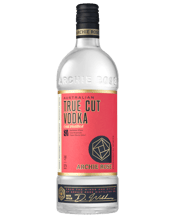
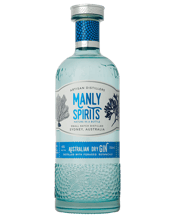
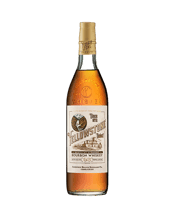
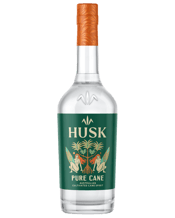
Spirits wise, stick with anything with a relatively high ABV – that’s about 40% or higher – with no added sugar (sorry liqueurs). Remember, it’s all about the alcohol dissolving those flavours, and you don’t want your spirit freezing along with all your fats. Vodka, gin, rum, bourbon, rye, Scotch, brandy, tequila and mezcal are all safe territory.
As for the fats? The (culinary) world is our oyster. Here are some thought starters on the types of fats to work with and their ideal spirit. They’re roughly sorted by intensity, from subtle to a much bigger impact:
- Extra Virgin Olive Oil: vodka or gin
- Avocado oil: blanco tequila
- Coconut oil: white rum – ideal for Daiquiri upskilling
- Ghee: gin and straight into a Dry Martini
- Butter (clarified or brown): try our Brown Butter & Sage Sour please!
- Pistachio Papi: Cognac to double down on our Pistachio Maple Martini
- Peanut butter: aged rum or bourbon (works great in an Old Fashioned)
- Duck fat: rye whiskey for an intense Manhattan
- Bacon fat: Bacon Washed Old Fashioned anyone?
- Truffle oil: vodka, used sparingly, for a luxe Dirty Martini
- Chilli oil: mezcal, to add some heat for the freaks in a Mezcalita
You in? Great! Welcome to the world of spirits with more flavour. You’ll need a couple of things to get started, but you should have them lying around the house (or be able to pick up from your local Dan Murphy’s or supermarket):
Your spirit – 40% ABV or higher for best results
Your liquefied fat – if you’re a beginner, go low-intensity, then ramp it up
Measuring jug
Large glass jar with lid – big enough for your spirit and fat
Freezer
Strainer and coffee filter
Now, for your recipe. For strong-tasting fats, you’ll only need around 45mL–60mL of fat per 700mL of spirit. For subtle fats, you’ll need around 200mL per 700mL of spirit.
To fat wash, pour your liquid fat into your glass jar, then add your spirit. Seal it, then give it a good shake to mix and leave it on the kitchen counter for two hours to infuse. Pop your jar into the freezer and leave overnight so the oils solidify. Then remove and strain the mix through a damp coffee filter. Voila! You’ll be left with a spirit that’s full of flavour and texture, without the fat.
We’ve given you the step-by-step on how to fat wash spirits, but here are a few things to keep in mind to make sure that you absolutely smash it.
- For more intense fats, especially truffle and chilli oil, a little can go a long way, so use them sparingly
- Depending on the intensity you want in the final spirit, a little experimentation may be required (it’s the best part of the job), so I’d recommend starting with a quarter of a bottle of spirit to begin (125mL) and adjust your ratio of fat accordingly
- To melt solid fats, like peanut butter or coconut oil, a short zap in a microwave can do the trick
- When you strain, if the first few drops are cloudy, just strain again – the oil solids work as their own filter
- Always add your liquid fat into the jar first, then add the spirit. This ensures the fats remain liquid, helping your infusion
- If you’re like me, you’ll have a cupboard full of old passata jars – this is the perfect use for them
- Once you’ve mastered the technique, have a think about what else you might like to fat wash (there’s fat in everything!). Croissant Cognac? Big Mac Mezcal? The sky’s the limit.



%20(1)?$dans-daily-web-image$&hei=900)
?$dans-daily-web-image$&fmt=png-alpha&wid=800)