


Answering the big questions, we asked 6 leading winemakers what the future of wine looks like (hint: it’s good).
Wouldn’t it be great to have a sommelier for everyday life? Somebody, to help navigate uncharted waters, suggest new sips and help you plan that next drink? Well, short of sending you a dedicated drink consigliere in the post, we’ve launched this new series to do just that. We’re talking hot tips and even hotter takes from those in the know. And to kick it off, we asked six of Australia’s most innovative and important winemakers about their predictions for the future of wine. Spoiler alert: they had A LOT to say.
Like all things in life, wine is subject to change. It’s also subject to taste, and ours is forever evolving. In the wise words of Andre 3000, “All that shit that used to be cool ain’t cool anymore”. If you told somebody in 1999 that juicy passionfruit bomb savvy b would be on the nose with modern drinkers they’d probably laugh you out of the Thai-Mexican fusion restaurant you were in. The point is nobody knows what will happen next.
But if anyone has a clue, it’s the folks at the forefront of the industry. We gathered around the crystal ball with a few of the most innovative and exciting winemakers in the business to peer into the future. Tim Lovett (Leeuwin Estate), James Broinowski (Small Island Wines), Barnaby Flanders (Garagiste), Michael Fragos (Chapel Hil), Kirsty Bell (BK Wines), and Melanie Chester (Giant Steps) complete our panel, representing a diverse array of Australian winemakers big and small, new and legendary.
What we discovered was pretty exciting, but if you were expecting us to report back with something as simple as ‘chilled reds’ or ‘pet nat’ we’re going to have to stop you right there. Australians have come a long way from goon to gourmet and our experts’ predictions are a reflection of that. We’re too sophisticated for fads, apparently.
In any case, if what they are predicting is true, the future of wine is brighter than ever.

Unless you’ve been living under a rock, you’d know that zero% and lower-alcohol wines have been doing a roaring trade. It’s been well documented that Australians are drinking less but better, and that’s especially true where these alternatives are concerned. According to some of our experts, this shift also signals a pivot to lighter, more refreshing styles of wine.
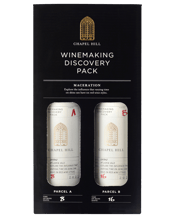
“I think there’s a huge opportunity with refreshment,” says chief winemaker Michael Fragos of Chapel Hill – an iconic winery hailing from the wine mecca of McLaren Vale. “There are so many styles and flavours – not just in wine but in beer and spirits, too – that lend themselves to less serious, more refreshing drinks.” He points to piquette as one such example. It’s an ancient style of peasant wine made from already-pressed grapes that Fragos and co-conspirator Bryn Richards have been revisiting. “It’s easy-drinking and usually around 5% ABV,” says Fragos. “Sometimes the old can be new again.”
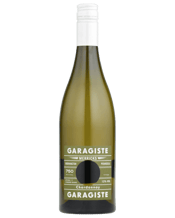
Over at one of Mornington Peninsula’s brightest rising stars, Garagiste, co-founder Barnaby Flanders agrees that wine below the standard 11 to 14% ABV is on the rise. Still, he reckons this category is shaping up to have a more organic bent in the future. “It’s all about working with the positives,” says Barnaby. “Low alc has been more relevant in the beer market where it’s easier to fine-tune the tech. Of course, there are plenty of successful low alc wines, but you don’t want to sacrifice the essence of the wine either,” he says. “People have been enjoying lower alc wine for a while – it’s called German riesling. Sweeter styles can naturally get as low as about 7% ABV, and it’s absolutely delicious!”
So. Light and refreshing? Check.
James Broinowski has always been ahead of the curve. Named in Young Gun of Wine’s Top 50 winemakers in 2020, he launched Small Island Wines in 2015 with a successful crowd-funding campaign on Kickstarter – a world-first. Revered for his brand of micro-batch Tasmanian wines, he’s decisively quick with his prediction. “Refinement,” he reckons, is what we can expect more of. “The next big thing is a settling of the dust,” he says. But what does this mean? According to James, Australian wine has truly come of age. We’ve caught up to the rest of the world in many ways, and our winemakers are starting to home in on what makes our terroir so unique. Where wineries once tried to do it all, the future is about doing it right with region-specific and alternative varietals, meticulous farming, and small-batch labels all on the rise. The age of broad stylistic trends, it would seem, is over.
Small Island is one of the wineries leading the charge here. Focusing on Tasmania’s best pinot noir and chardonnay vineyards, their north star is site-specific, terroir-driven wines. “It’s about concentrating on a few things and doing them really well,” says Broinowski. “We had this explosion of alternative varieties in all regions, but not all of them work. We’re about to see refinement in that regard – and an expression of really high-quality stuff.” That means you’ll still get to taste all those exciting emerging varietals, but you can bank on them being bang on from here on out.

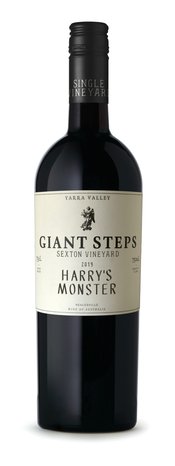
It’s a sentiment echoed by his peers. “People are choosing to spend more on premium wines from great vineyards,” says Giant Steps’ head winemaker Mel Chester. Taking out the people’s choice award for favourite winemaker in 2018’s Young Gun of Wine, Mel produces some of Yarra Valley’s finest drops, so it’s safe to say she knows more than a thing or two about great vineyards. “We’re finding more consumers trading up to our single vineyard range.” Like Small Island, Giant Steps makes the case for refinement with its exceptional range of single-site wines. “Unique vineyards, great expressions of site, alternative varieties that suit our changing climate, and styles that suit our changing tastes” are only on the rise, according to Chester.
This swing runs parallel with our burgeoning interest in provenance. “It’s all about the consumer asking where their product comes from,” says Kirstyn Keys. She runs BK Wines, one of the most creative and exciting lo-fi producers to come out of the Adelaide Hills, with her husband Brendon. Since 2007, their label has built a huge name on an uncompromising commitment to the highest quality fruit. “We hope future trends are focused on sustainability and good farming,” she says.
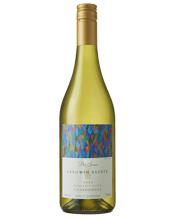
Over at Western Australia’s iconic Leeuwin Estate (one of Margaret River’s five founding wineries), chief winemaker Tim Lovett agrees. “The key producers will focus firmly on their determination to make wines that best express their site,” he says. “Our role as winemakers is more about being architects. It’s about conveying the land and the varietal without too much winemaking artefact.”

In a world where every brand and their dog are slapping a great big sustainability sticker on their shop's front door, it’s easy to be sceptical. But for wine and the people that make it, this is life or death stuff. Wine is an agricultural product, so it’s on the front lines of the climate crisis. Finding innovative ways to do business is crucial to its survival, and opportunities can lie in unlikely places.
“60% of the industry’s carbon footprint is in the packaging,” says Chapel Hill’s Michael Fragos. According to a 2020 multi-author paper from leading academics and industry figures, that number could be as high as 67%. A huge part of that output is generated by weight and freight, but savvy producers like Chapel Hill are finding new ways to bottle up their wares.
To curb the bottle service, Chapel Hill has been experimenting with alternative packaging. “Wine in a can is particularly gaining traction, especially with the newer generation of wine drinkers,” says Fragos. Chapel Hill had success with canned vermouth cocktails. “We’ve trialled wine on tap in a few venues. We thought it would resonate with people, but the uptake didn’t live up to our expectations,” he says. According to Fragos, this points to the need for a public relations job similar to one the industry has faced before. “Wine is still seen as a very traditional product. When Aussie producers came out with the screwcap, people thought we were crazy. We got out there and told the story, and people realised that it was actually better for the product,” he says. “Once we explained it, people got it.”
“It’s the unromantic ride of wine, but it’s super important for our carbon footprint,” says Mel Chester. “At Giant Steps, we have just converted our Yarra Valley range wines to a lighter weight, Australian-produced glass,” she says. “This reduced our carbon footprint by a significant amount. One of the many small steps to make our product more sustainable.”
Giant Steps aren’t alone in this regard. “There’s still a lot of players with big prices using heavy glass for their bottles; that’s not environmentally friendly at all,” says Leuwinn Estate’s Tim Lovett. “70% of our packaging is recycled. 80% of the bottles we use are low in carbon and lightweight,” he says. “We’re highly conscious of our impact on the planet. Sure, it isn’t exactly the most thrilling topic. Sometimes I just want to make wine, but it’s really important, and it’s something that we push.”
“There is always room for everything in the wine industry,” says BK’s Kirstyn Keys. “And with more awareness on landfill, recycling and the rising cost of shipping, it’s important to be thinking of alternatives.”











%20(1)?$dans-daily-web-image$&hei=900)
?$dans-daily-web-image$&fmt=png-alpha&wid=800)