


Everything you need to know about the older, darker and richer expression of this agave spirit.
Maybe more than any other spirit, there are a lot of misconceptions about tequila. There are rumours that tequila is rough (wrong), it’s only good for those lime-and-salt party shots (definitely not), they put a worm in the bottle (nope – that’s mezcal, and only sometimes) and – worst of all – it’s not a ‘serious’ spirit like whisky. To that last point in particular I say: let’s talk about añejo.
Añejo is one of the three main categories of tequila, along with blanco and reposado, and it tends to sit at the ‘premium’ end of the scale. Of these tequilas, añejo is aged for the longest period of time (except for extra añejo, but we’ll get to that), and it’s generally the darkest, richest and most complex of the lot. If you’ve never tried añejo before, it might just change your mind about what tequila can be.
These days, all tequila is pretty strongly regulated by the Tequila Regulatory Council (CRT). The first requirements, which apply to all categories of tequila, are about where the spirit is produced (only in certain parts of Mexico – mainly the state of Jalisco) and what it can be made from (blue weber agave). The group also splits up tequila into a few categories, which includes the Big Three:
Blanco (or silver): This is the classic, clear tequila that some purists consider the realest of the deals. It’s usually unaged but can be aged in oak for up to 60 days
Reposado: Meaning ‘rested’, reposado tequila can be aged for between 60 days and one year
- Añejo: Translating as ‘old’, añejo tequila needs to be aged for at least a year in oak barrels no bigger than 600 litres. If it’s aged for longer than three years, the tequila is technically called Extra Añejo.
Añejo tequila is definitely the most time-consuming and costly for producers to make (while doing its thing in the barrels, it doesn’t bring in any cash flow), but considering the rich and complex flavour profile that results, you’ll see why it’s worth the effort.
As with all spirits, ageing in oak gives tequila the chance to mellow and pick up extra colours and flavours. While blanco tequila is known for being clear in colour and packed with grassy, citrusy and peppery notes, añejo ranges from amber to dark brown and is loaded with extra flavours like caramel, vanilla, honey and butterscotch from its time in the barrel – particularly if it’s aged in flavoursome ex-bourbon barrels.
While añejo tequila is still quite different from other dark spirits like rum, whisky and Cognac, the time it spends in the barrel really does give it a similar sort of rich and complex flavour profile.
Don’t let anyone tell you you’re wrong when it comes to serving a drink your preferred way – we’ll never shame you over here. However, we do have a couple of recommendations for how to enjoy añejo tequila.
Straight (neat or over ice)
There’s a good rule of thumb when it comes to all spirits: neat is a strong first stop. Sipping a spirit neat (which means straight with no ice) is the best way to understand the full spectrum of flavours and aromas, without any other ingredients or additives competing for your attention. We reckon this is the best way to appreciate añejo tequila – at least as a starting point.
For a classic neat serve, your best bet is to use a wine glass or one of those flared spirits tasting glasses because the shape will help to concentrate the flavours and aromas, and give you a full appreciation of the añejo tequila.
If you find the spirit is too potent by itself as a neat serve, adding a couple of drops of water can help soften everything without taking anything away from those añejo complexities. The same goes for serving on ice – find yourself a big cube that won’t melt too quickly and you’re good to go.
Cocktails and mixed drinks
Forget what the purists might say – complex, high-quality spirits definitely have their place in cocktails. And sure, you won’t get to taste everything in an añejo tequila if you’re mixing it with other ingredients, but we think the trade-off is well worth it.
One school of thought is to consider añejo as a substitute for other rich, dark spirits like whisky or rum in classic cocktails. You’ll get some of the same flavours popping up (caramel and vanilla, for instance) but with the added bonus of classic tequila notes like spice, citrus and herbal flavours. Making an Old Fashioned? Try añejo instead of whiskey. Dark ‘N’ Stormy? Añejo is your rum sub. You get the idea.
One thing that’s so good about añejo (and tequila in general, honestly) is that it’s super versatile and suited to nearly everything. But if we had to pick some favourite añejo-worthy moments, we’re all about it on a cold winter’s night (ideally fireside, please). It also works brilliantly alongside a rib-stickingly rich Mexican braise like carnitas or barbacoa. At your next big celebration, añejo will also make an excellent sipper – crack a bottle of the really good stuff, guys. And you know what? We’ll happily take it in our pyjamas on a Friday night watching a full season of some great TV show (Severance, maybe?).
Looking for some top examples of añejo tequila to try? Here are eight of the best below.

Click image to shop
1. PATRON Añejo Tequila
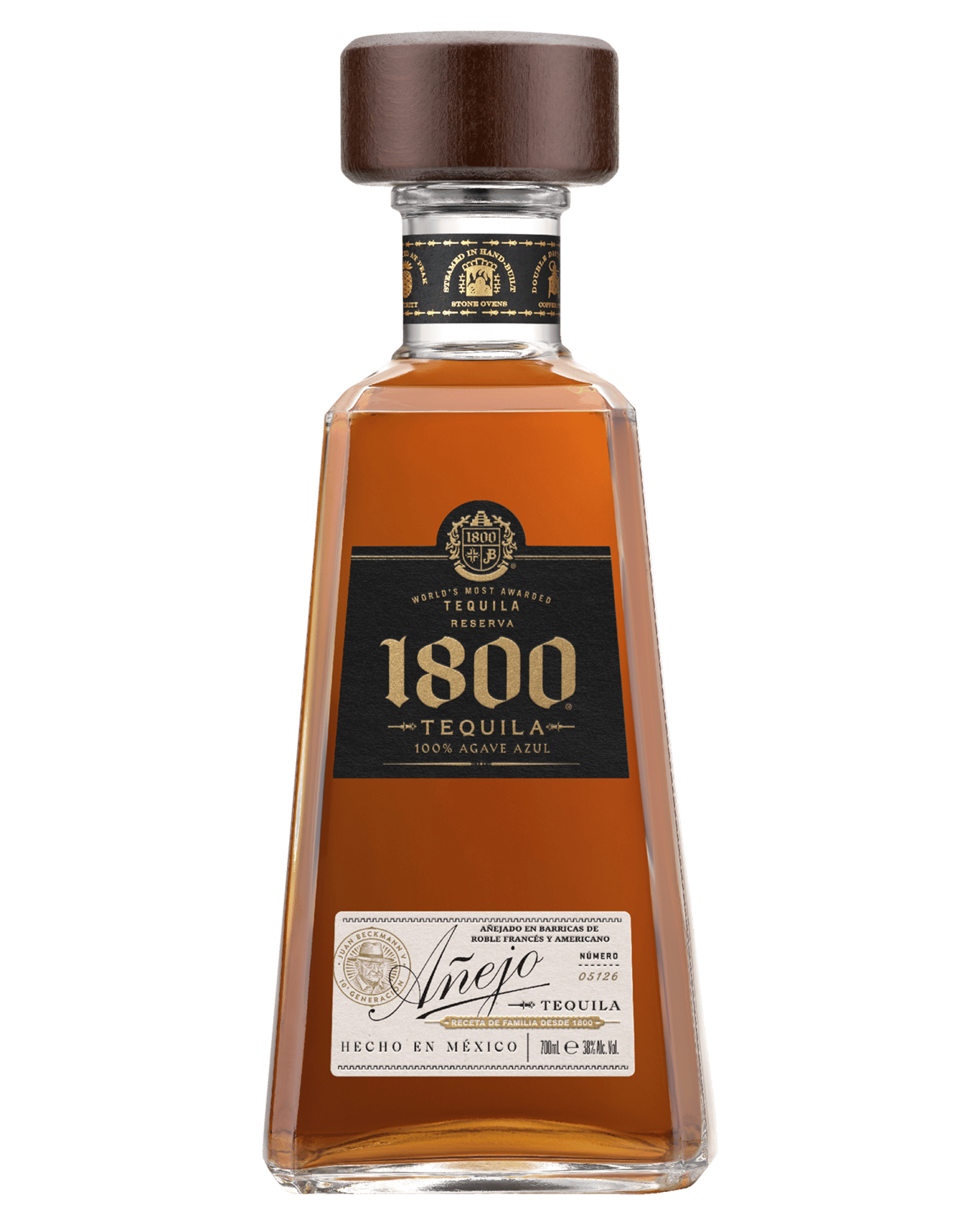
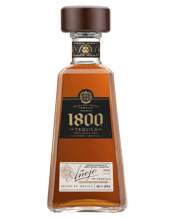
2. 1800 Añejo Tequila
Click image to shop
Click image to shop
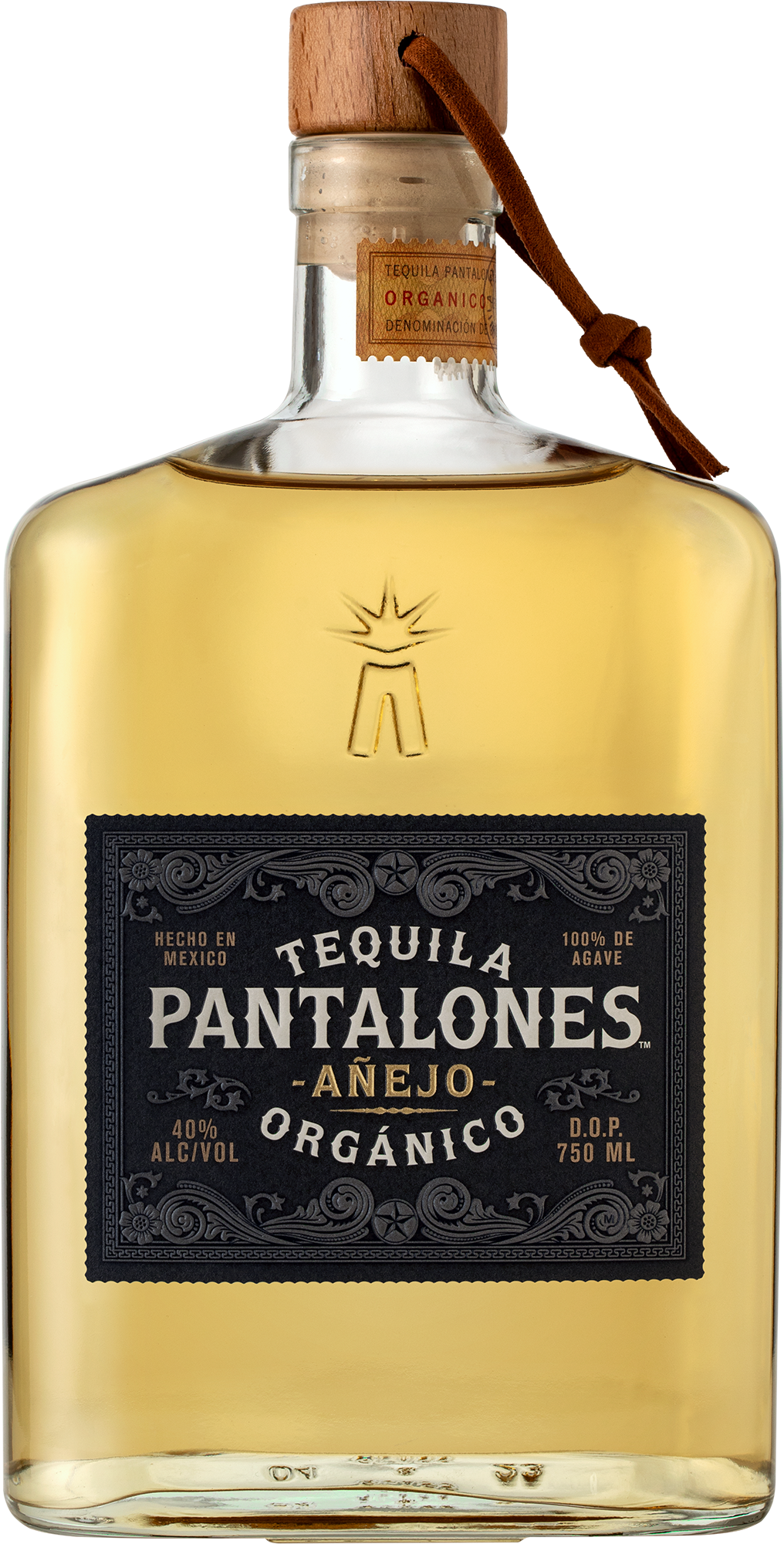
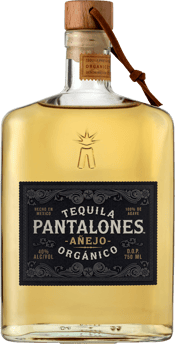
3. Pantalones Tequila Organic Añejo
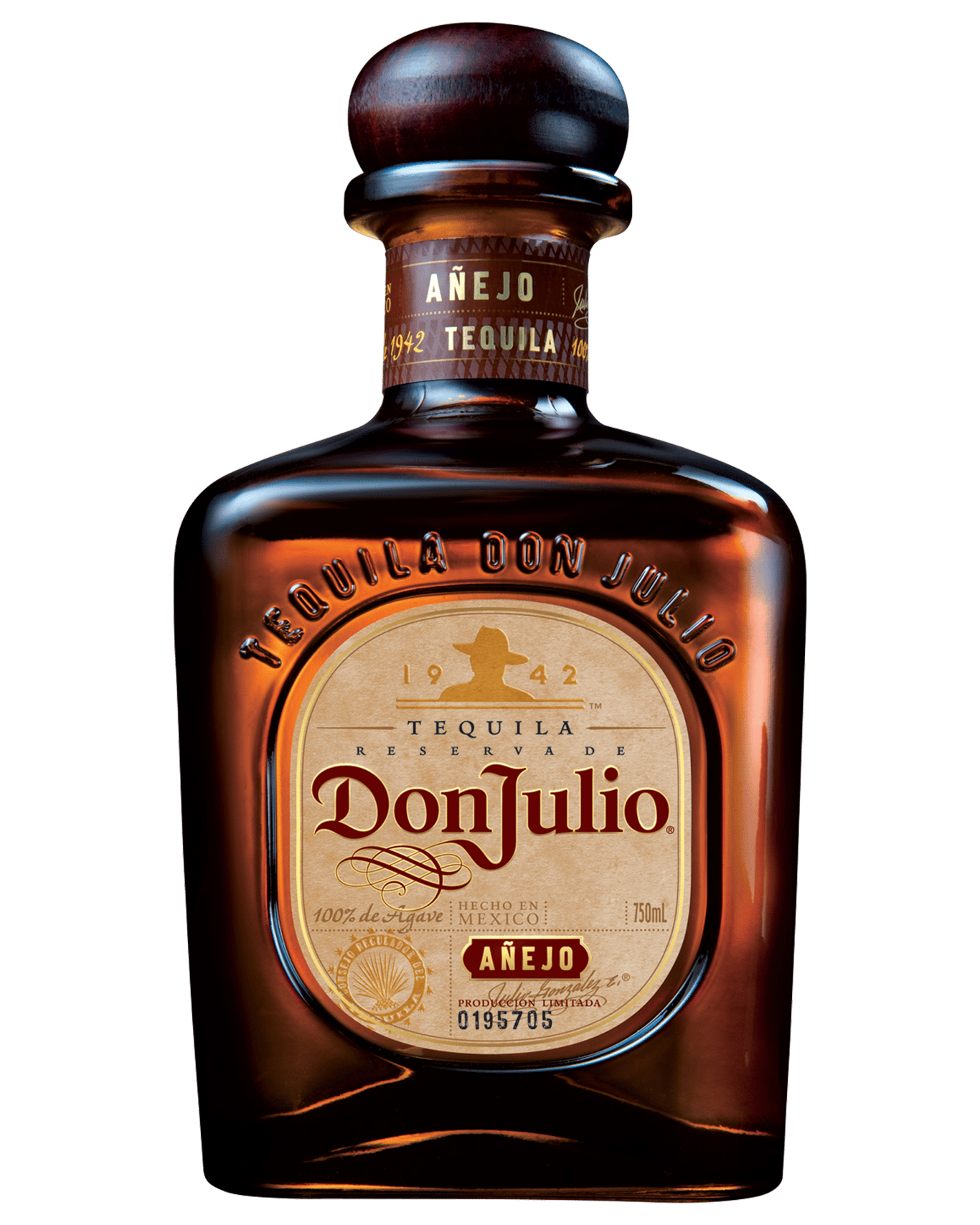
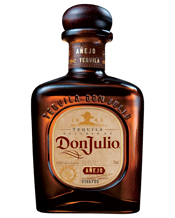
4. Don Julio Añejo Tequila
Click image to shop
Click image to shop
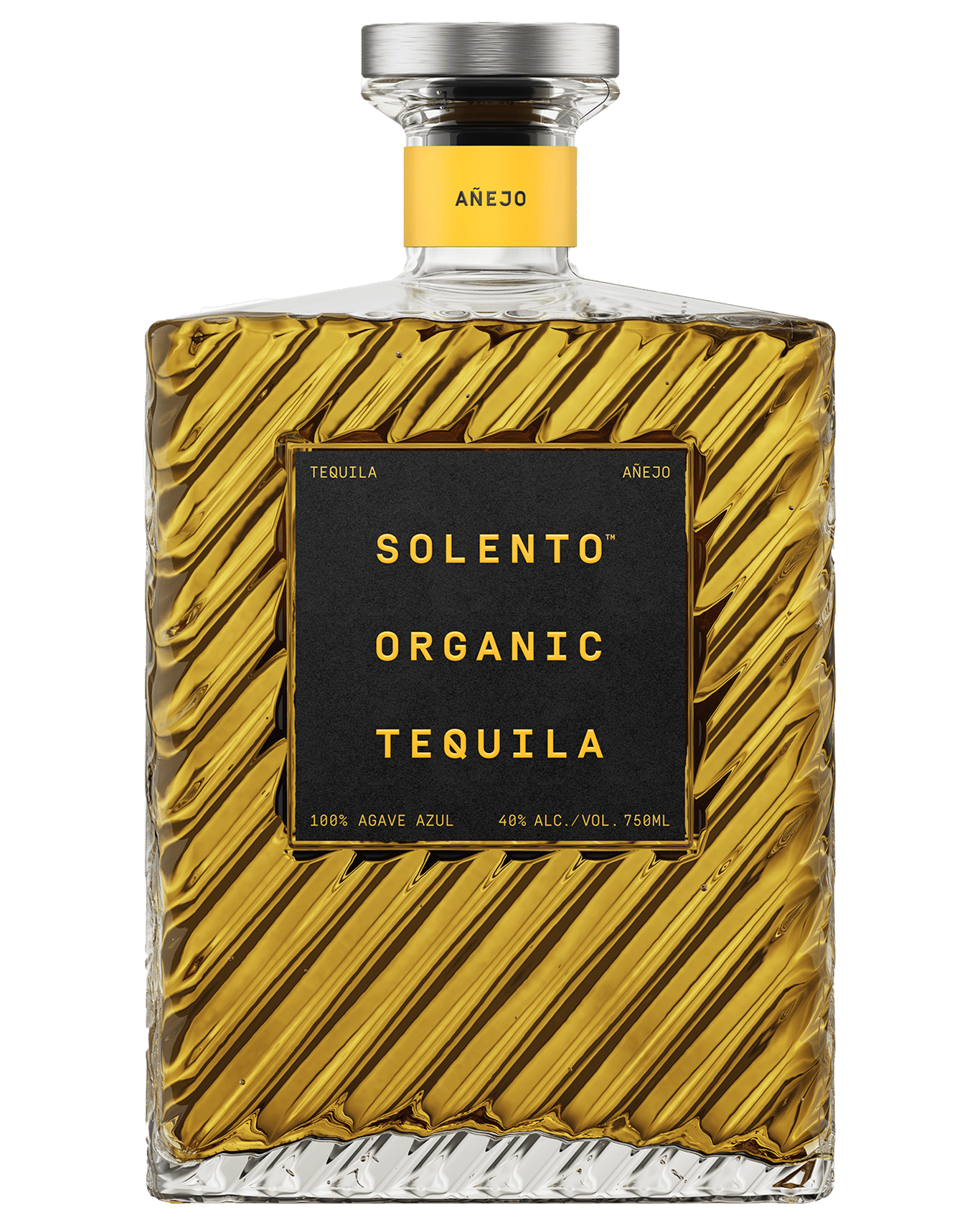
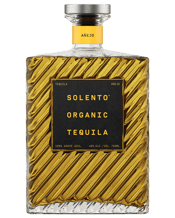
5. Solento Organic Anejo Tequila
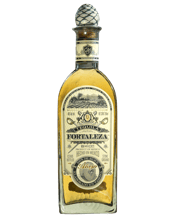
6. Fortaleza Anejo Tequila
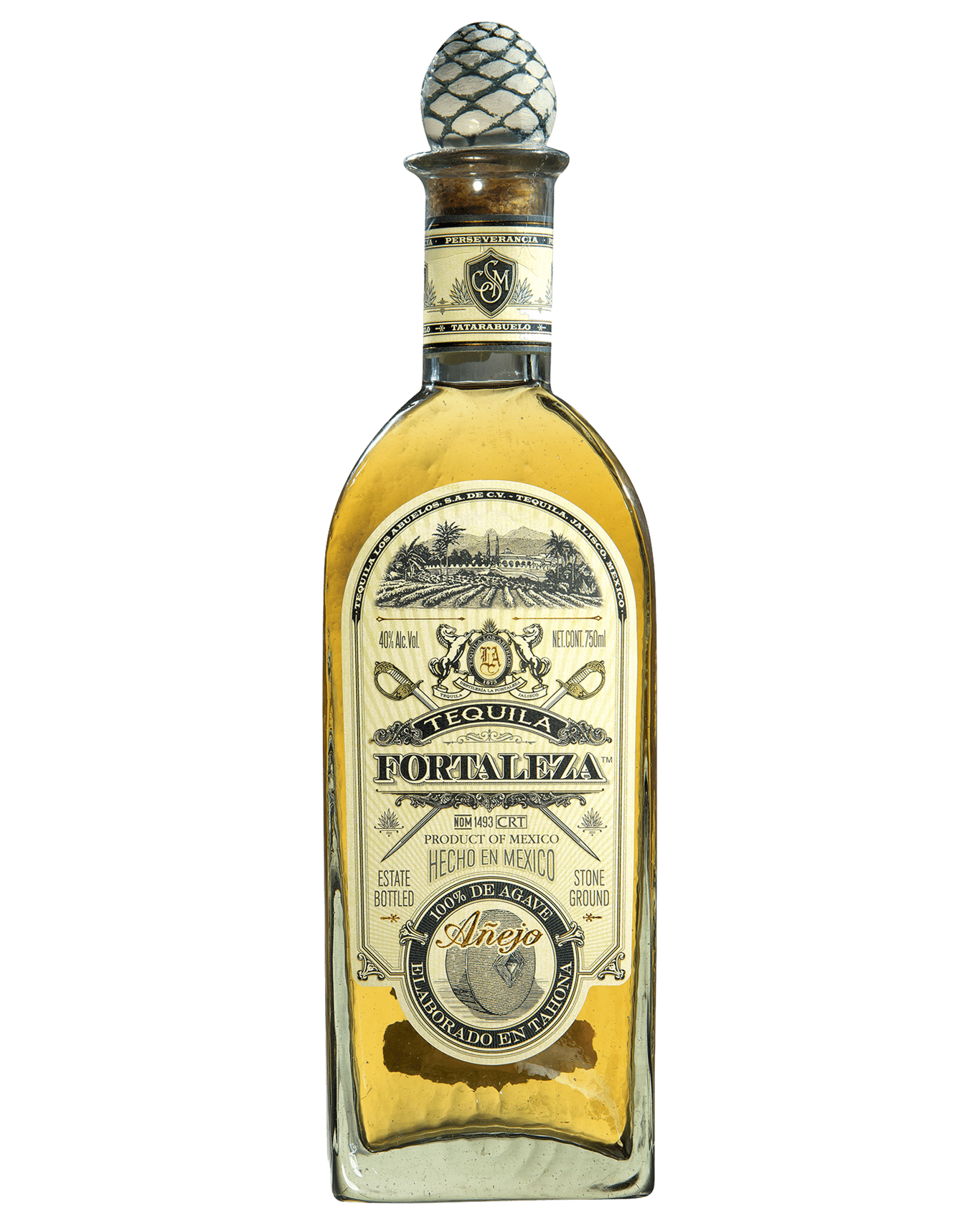
Click image to shop
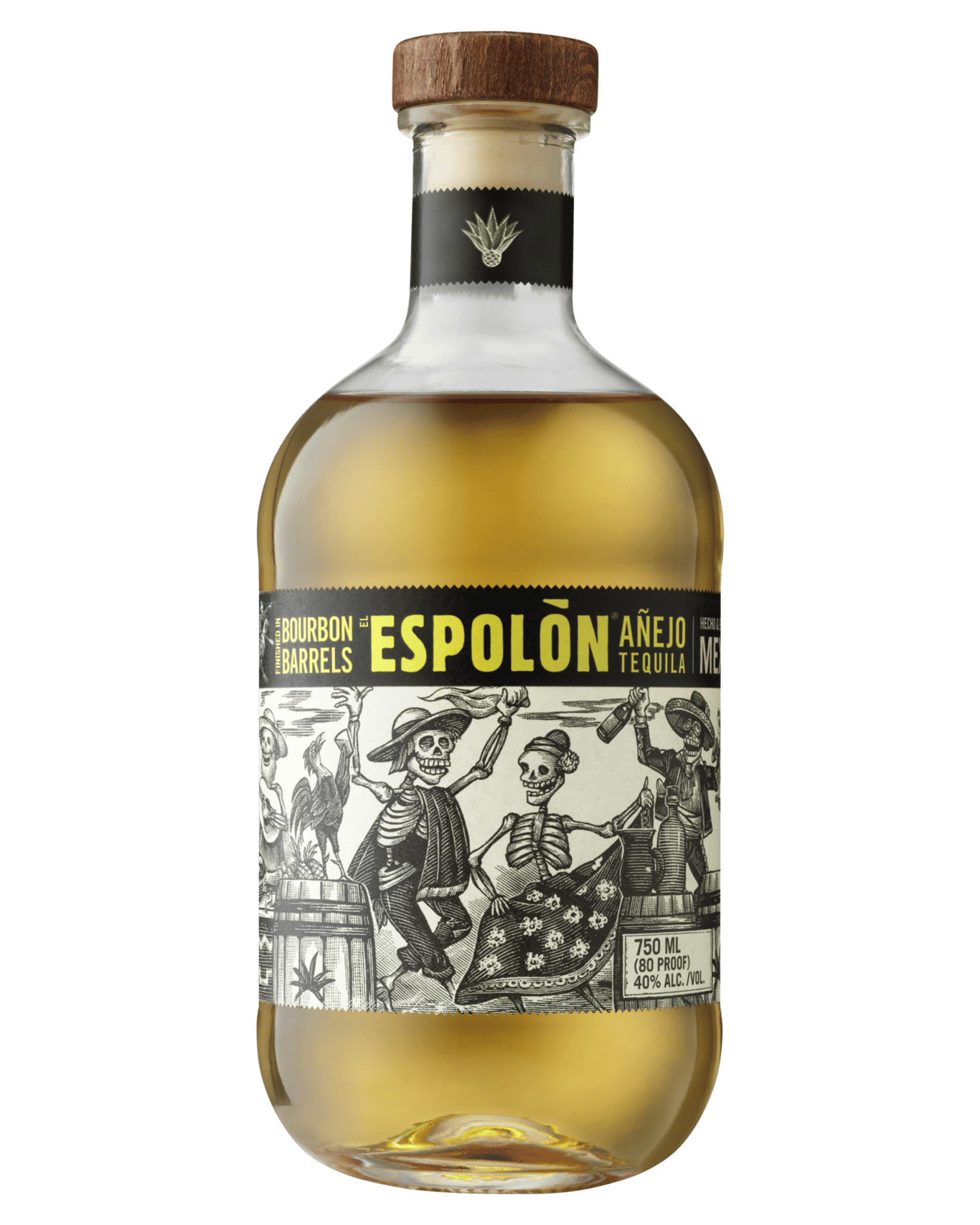
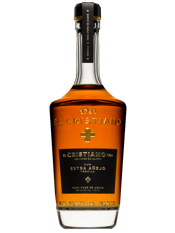
8. El Cristiano Extra Añejo
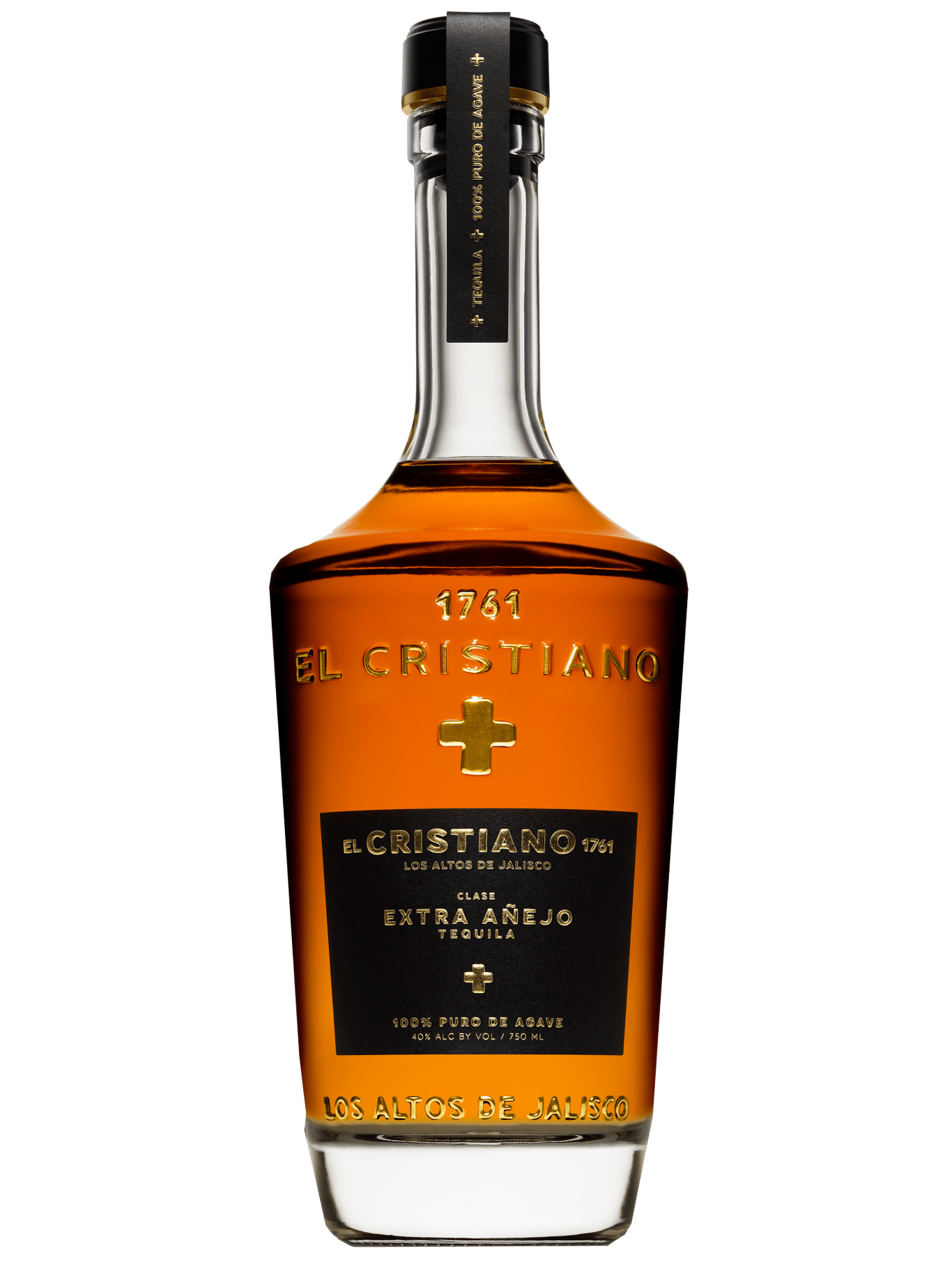
Click image to shop


%20(1)?$dans-daily-web-image$&hei=900)
?$dans-daily-web-image$&fmt=png-alpha&wid=800)