


Get to know your Chianti Classico from your Chianti Riserva with this cheat’s guide to Tuscan wine.
Ah, Tuscany. The name alone conjures Insta-worthy images of rolling hills, vineyards, olive groves and villas, especially if you’ve been scrolling through endless holiday posts of people living their best life in Italy. Yeah, us too.
This central Italian region is one of the nation’s most picturesque, which is no mean feat in this outrageously beautiful country. Not just a pretty face, Tuscany is considered the birthplace of the Italian Renaissance, and it’s also a jewel in the nation’s winemaking crown. With its deliciously diverse and food-friendly wines, this much-loved region is deservedly up there with the most revered in the world.
The good news is that with stellar Tuscan wines available on our shores, you can enjoy your own Italian adventure here at home. Get to know Tuscany’s wines with the pointers below, and you might like to steal a few dish ideas for a Tuscan-inspired dinner, too.

Click image to shop
1. Tuscans have been making wine forever
Wine in Tuscany dates back around 3000 years, when the ancient Etruscans settled there in the 8th century BC, bringing grapevines with them. Wine sales in Tuscany are documented as far back as 1079, and savvy local wine merchants reportedly formed an association in the late 1200s, suggesting the region has long been doing big things.
While our most historic Aussie family wineries span an impressive six generations and 170-plus years, the Tuscans blow us out of the water. The local Frescobaldi winemaking family, for example, is one of Italy’s oldest, having worked in wine for more than 700 years – through 30 generations. The Tuscans clearly know a thing or two about making great wine.
2. Sangiovese is delicious
Italy has long been celebrated for its Chianti (kee-ahn-tee) wines, made predominantly from sangiovese (san-joe-vay-zee) grapes grown in Tuscany’s Chianti region. Generally speaking, blending is allowed with certain grapes, including the native colorino and caniaolo varieties, and French imports cabernet sauvignon and merlot. But regardless of the blend, sangiovese is the dominant variety in red wines labelled Chianti.
These crowd-pleasing, savoury reds are known for flavours of cherries, red and black fruits, herbal, earthy and tobacco notes, balsamic vinegar and game. As a result, they’re made for dishes with similar flavours – think charcuterie, pizza, lasagne, mushroom risotto, and the classic match of pasta with tomato-based sauce. All the good stuff.

Click image to shop

Click image to shop
3. Navigating the region isn’t so hard
European wine is full of rules that aren’t too familiar here. Tuscany, for example, has almost 60 appellations and three tiers of designation of origins – or classes – of wine. Happily, you don’t need to understand it all to enjoy the region’s wines, but it can help to know a little so you can explore the various styles.
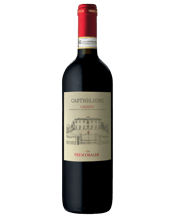
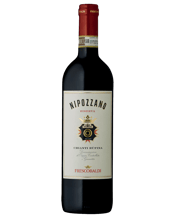
In the reds, there are several categories of Chianti wines; some are labelled Chianti – we love the Castiglioni Chianti – or Chianti Classico DOCG, and seven subregions get specifically labelled to denote the wine’s quality and origin. Among these are the excellent expressions of Chianti Rufina, as seen in the standout Nippozano Riserva.
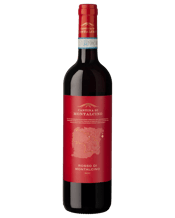
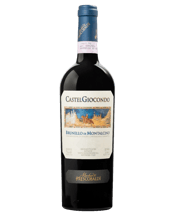
For exceptional sangiovese beyond Tuscany’s Chianti region, look to the distinctive blends of Nobile di Montepulciano, the bold, single-varietal styles from Brunello di Montalcino – don’t miss the CastelGiocondo – and the fresher examples of Rosso di Montepulciano. We particularly love the drink-now, medium-bodied Cantina di Montalcino.
4. The Tuscans know how to shake things up
Italy is pretty die-hard when it comes to tradition, but around 50 years ago, various Tuscan producers threw convention out the window. In the 1970s and ’80s, a number of winemakers began blending their sangiovese with non-indigenous grapes, such as cabernet, merlot and shiraz. In many cases, sangiovese wasn’t the majority variety in the mix, either.
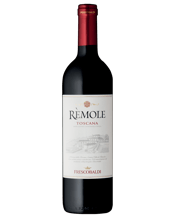
Known as Super Tuscans, these quality, cellar-worthy wines fast became sought-after and are still regaled as some of the region’s – and nation’s – finest. Today, these full-flavoured wines are known instead with ‘IGT’ on their labels, and they’re excellent expressions of what the region does best. For a great-value introduction to the style, check out the Frescobaldi Rosso di Toscano Remole.

Click image to shop

Click image to shop
5. Tuscany makes great whites, too
The great reds of Tuscany might hog the limelight, but this region also turns out exciting white wines. The key varieties grown across the region are vernaccia, trebbiano, vermentino and malvasia, but it’s vernacchia that perhaps steals the show.
With its own Vernaccia di San Gimignano designation of origin at the highest level (DOCG), these wines have a crisp acidity, with fresh flavours of citrus, pear, melon and apple. They also often have a moreish, savoury element, which makes them even more compatible with food. You can throw almost any dish at these white wines, and they will stand up beautifully.



%20(1)?$dans-daily-web-image$&hei=900)
?$dans-daily-web-image$&fmt=png-alpha&wid=800)