


Turns out you really can get something delicious for a tenner.
Big-baller bottles absolutely have their place – but not every time you reach for a wine. For plenty of us, the brutal combo of rent, groceries and other blow-outs has started elbowing its way into the old wine budget. But drinking well doesn’t have to mean torching half your weekly shop on one fancy bottle.
We’re here to bring you some absolute bargain belters and how to get the most out of them. From serving temps and glassware to cheeky cocktails and low-effort upgrades, here’s how to make a $10 bottle drink like one that costs a whole lot more.
Aside from the obvious price-tag stuff, the real difference between cheap and expensive wine usually comes down to time, place and effort. The more expensive wines tend to spend longer ageing, often in better oak barrels, and they’re made from grapes grown in premium vineyards – the kind of terroir-heavy sites that wine people love banging on about.
Cheaper wines, on the other hand, are generally built to be juicy and bright the second you open them, which is exactly what most people want from these wines. There’s generally a consistent house style among entry-level wines, so you know what you’re getting, and they’re also made to be enjoyed on release, which means there’s no wondering about when to crack them open.
A lot of it comes down to economy of scale, labour and a bit of industrial witchery. Top-tier wines tend to be more hands-on – think hand-picked grapes, lower yields, oak ageing for extended periods and all the romantic special-vineyard stuff. Cheaper wines are built for volume – often machine-harvested from high-yield vineyards that have been designated for entry-level wines.
These more accessible wines are often made in slightly different ways, too. Oak barrels can be expensive, and letting wine sit in a cellar for months or years can tie up a winery’s assets. So, budget wines might instead use stainless steel tanks, which can help to retain freshness, or different types of oak barrels for less time – both can keep costs down. Even packaging is optimised with the likes of lightweight bottles and sometimes even bulk shipping so the wine gets bottled locally instead of shipping glass around the world.
Like all wine, these bottles should be treated with respect. That means giving the wine a fighting chance to let it show its best qualities. For starters, use your favourite glasses. Let it air for a bit, too, perhaps leaving it to sit in the glass for 10 minutes before your first sip. You might like to go one step better and decant it. Because why not? But forget fancy decanters (unless you have one, of course) – you can always pour the wine into a jug and then pour it back into the bottle for a quick double decant.
It also helps to serve it at the right temp (we have a whole guide for that) instead of “whatever the inside of your cupboard was feeling”. And be sure to serve it next to a delicious meal. Small adjustments can make a massive difference, especially for budget bottles that might need a minute to open up.
As you can see, we’re big fans of entry-level wines and letting them live their best lives, but it’s safe to say that some deserve your hard-earned more than others. So, how can you tell the difference?
A few red flags to watch out for include when the label says only the country instead of an actual region, or if there’s no vintage listed at all – it’s rare but it can happen. Seeking out trusted producers is also another safe bet – these wineries know how to make wine at all levels, and many will say that making cheaper wines is actually harder than the top-tier ones.

Click image to shop
Six bargain wines to try
1. Minchinbury Prosecco
This wine is crisp, easy drinking and you know what else? This is made for cocktails. Michinbury Prosecco is a fresh sipper, but it also makes an excellent addition to a Mimosa, an Aperol Spritz, a Bellini or any other sparkling wine cocktail you like.
Pair it with: seafood, salty snacks, hot chips or charcuterie.

Click image to shop

Click image to shop
3. Y Series Viognier
Consider this big ‘I know wine’ energy without the scary price point. Expect apricots, dried figs and a satisfying creamy sensation as you take a sip – it’s a ripe but balanced example of what viognier does best.
Pair it with: roast chicken, creamy pasta, pork and spicy curries.

Click image to shop
Click image to shop
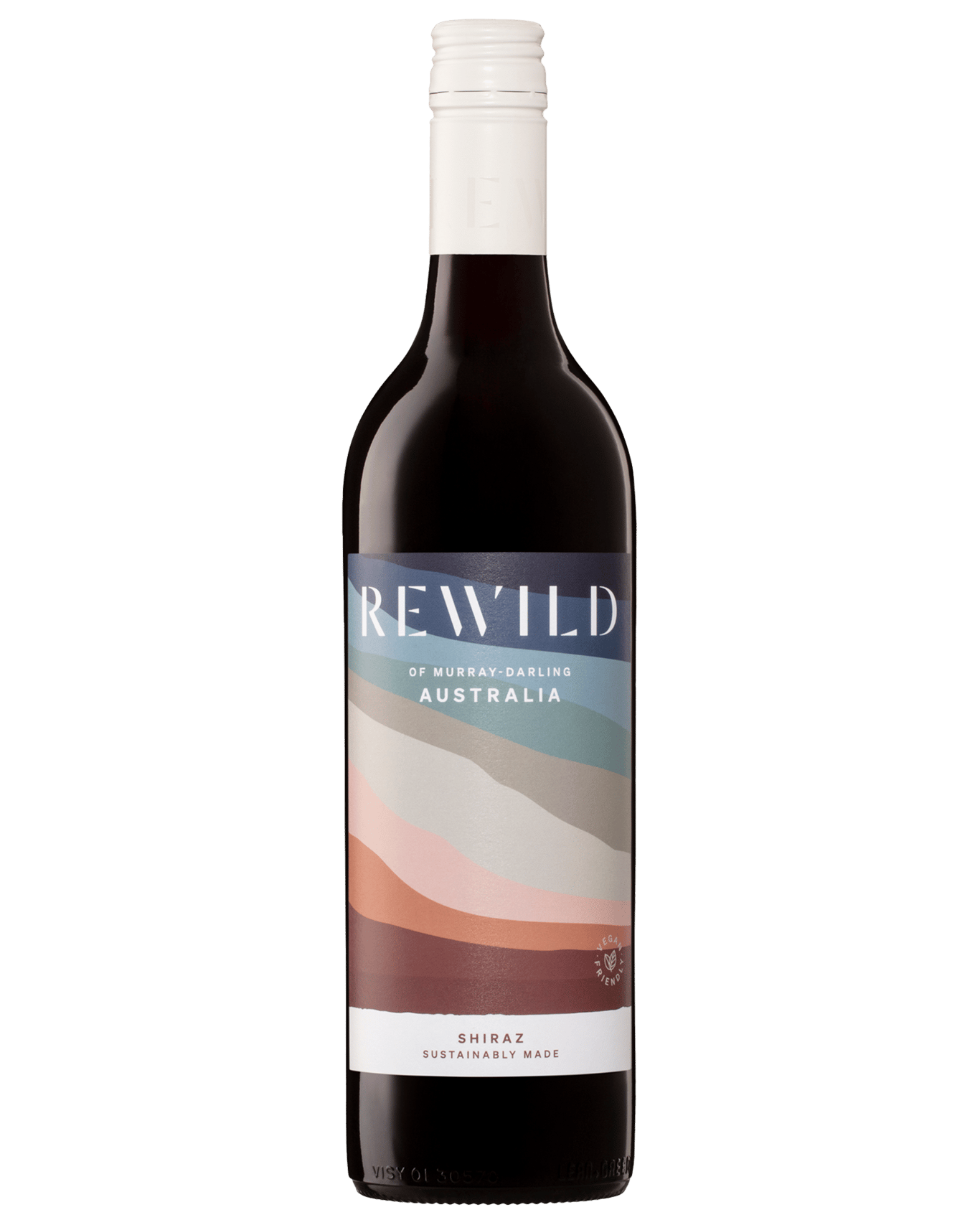
5. Rewild Shiraz
The entire Rewild range sits under $10 a bottle, which honestly feels disrespectful to inflation. Rich and juicy with red fruit flavours, this shiraz is perfect with anything smoky, cheesy or grilled. Give it 20 mins to breathe and it punches way above its weight.
Pair it with: burgers, barbecue, pizza or spaghetti bolognese.
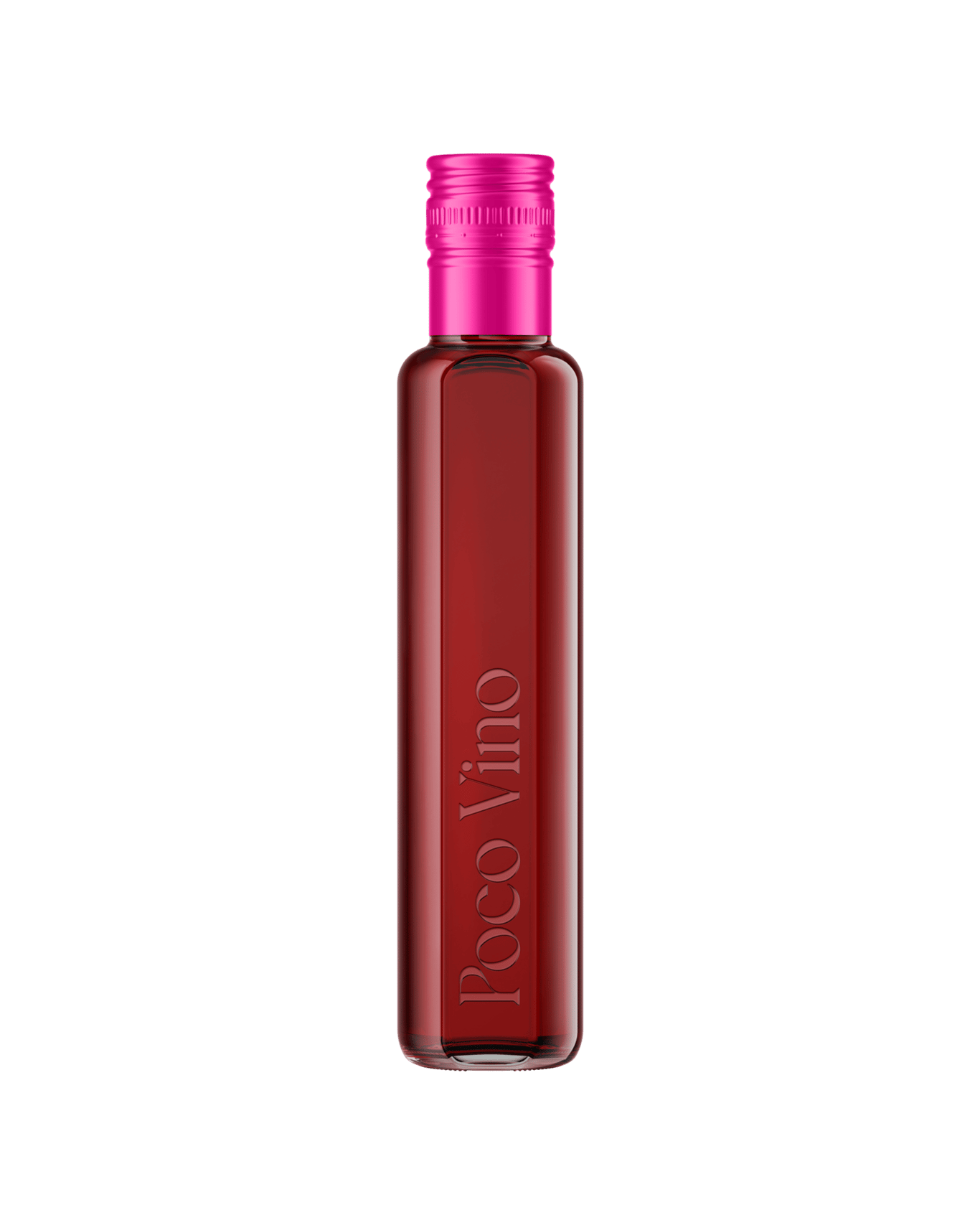
6. Poco Vino Pinot Noir
Okay, this might look like cheating, but hear us out. If your budget says “absolutely not” but your heart says yes, this little number’s for you. It’s bright, juicy and a savvy little single serve. And the packaging? Extra cute, especially for this money.
Pair it with: Mushroom pasta, roast chicken or even a bag of truffle chips (use the savings on the fancy imported kind).
Click image to shop








%20(1)?$dans-daily-web-image$&hei=900)
?$dans-daily-web-image$&fmt=png-alpha&wid=800)