


Because there’s so much more to agave than tequila.
What do spirits like tequila, mezcal, raicilla, cocuy and pechuga all have in common? They all start with a plant called agave. For Central Americans, agave has long been nature’s multi-tasker, capable of becoming everything from a sweetener to a fibrous food staple and even a musical instrument.
Agave’s worldwide legacy, though, comes from its transformation into a family of unique alcoholic spirits – the most famous being tequila. So, next time you’re sipping a Margarita, raise a little toast to agave, a miracle plant that has risen to global fame after thousands of years of local use.
Travel through the arid landscapes of Central America and you’re bound to see spiky succulents growing in flower-like formations of green leaves. These are agave, members of a family of almost 300 species of hardy plants adapted to the dry heat of the Americas.
Agave has been used as a staple plant for more than 9000 years by Indigenous Americans like the Aztecs, providing such broad use that some cultures considered it to be a divine plant. While many of agave’s traditional uses have been overtaken by modern conveniences, agave is still big news for distillation.
Agave species are native to the arid parts of Central and North America and some parts of the Caribbean. Agave can survive with little natural moisture, making it well-suited to growing in a wide range of harsh conditions around the world.
These days, agave is grown commercially in massive quantities – mostly in Jalisco in the state of Tequila, but there are plantations in other regions and countries, too. That even includes North Queensland, and you can expect to see more agave from Australia in the coming years.
There are at least 270 species of agave known to science, but Blue Weber agave (Agave tequilana) is the big cheese since it’s the only species that can legally be used to produce tequila (and even then, only if made in certain parts of Mexico).
The smoky-flavoured spirit mezcal is also made from agave, but it can be made from any type (usually Agave angustifolia or Agave americana), as can raicilla, which is tequila-like in flavour and complexity. There are plenty of lesser-known regional agave spirits in Central America made with local agave varieties, too, like the Peruvian spirit cocuy (Agave cocui), or Mexico’s sotol (made with a plant called sotol, which is technically a cousin of agave).
Want to get the most from your agave spirits? Here are the best ways to serve them.
Straight: Most spirits are best appreciated (or, at least, understood) by drinking them straight. Usually, that means ‘neat’, which is served without any additions at all, or ‘on the rocks’, which is served over ice. Neat works best because there is no dilution from the ice, and the spirit’s aromas and flavours are easier to appreciate at room temperature.
Ideally, serve it in a wine glass or spirits tasting glass and pay attention to the flavour and aroma of the spirit on its own. Spirits like blanco (silver or unaged) tequila, in particular, are full of delicate and subtle notes that can get lost when other ingredients are added. Other spirits like añejo tequila (the most aged version of tequila) can be treated more like a single malt whisky, in that they are designed to be served straight.
Mixed: The entire family of agave spirits is full of punchy, interesting flavours that work extremely well when mixed. For instance, the fresh grassiness of blanco tequila shines when paired with the tart citrus of grapefruit in a Paloma or the lime in a Tommy’s Margarita, while smoky mezcal adds depth alongside sweet and aromatic flavours in a Oaxaca Old Fashioned. Simple mixes with agave spirits are great, too, like Ranch Water (tequila, lime and soda), or tequila and tonic water as a play on the classic G+T.
Click image to shop
Five to try
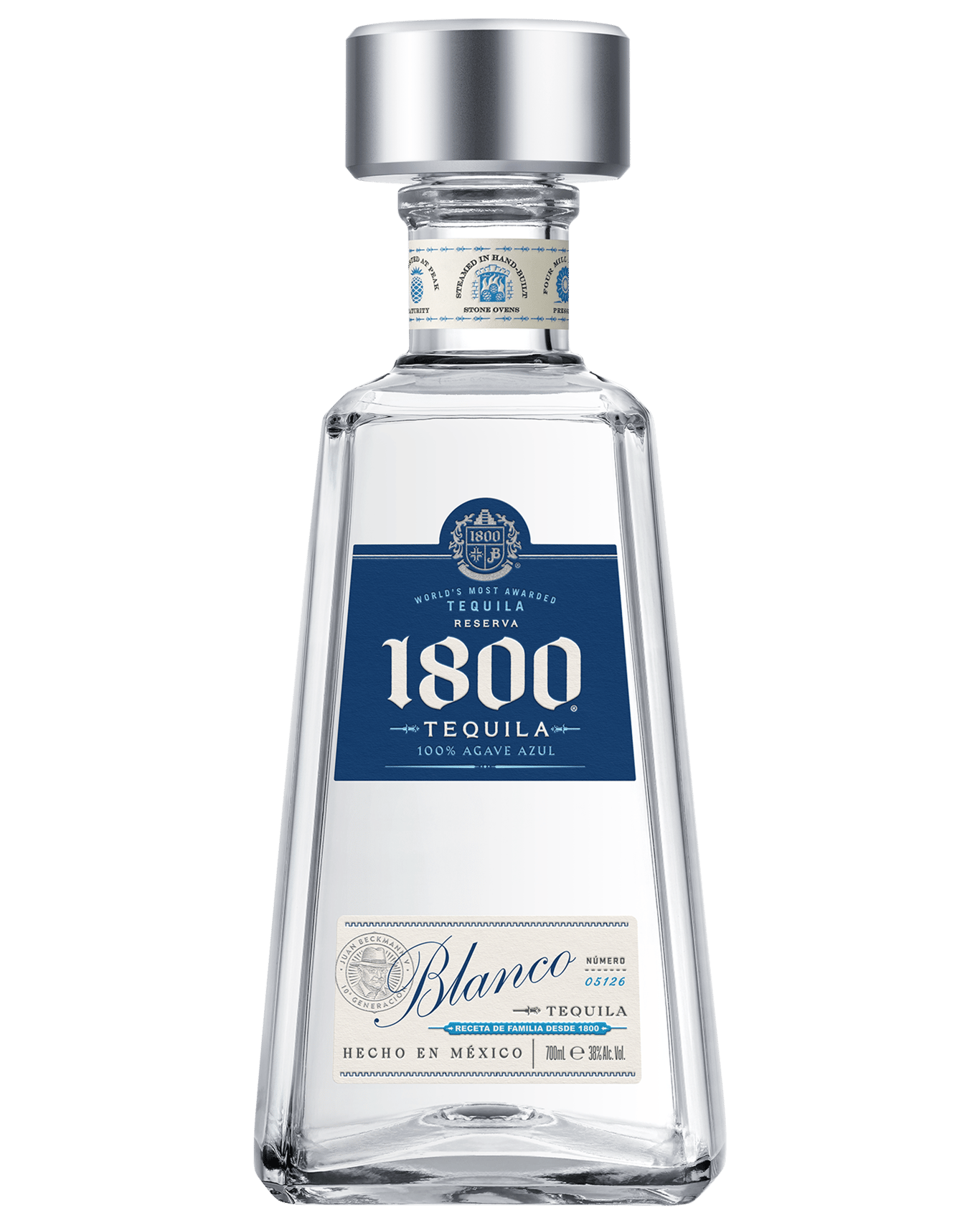
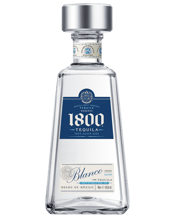
1. 1800 Blanco Tequila
Age is treated differently in tequila than other spirits. Where whisky only grows in esteem with each year it spends ageing in barrels, there are purists who think blanco is the peak tequila. Whether that’s true is up to personal preference, but unaged tequilas like this one from 1800 are a great expression of what agave is all about. It’s fruity, a little vegetal and finishes with a peppercorn bite. Try it over ice with a big squeeze of lime or upgrade a classic with the Cherry Margarita.
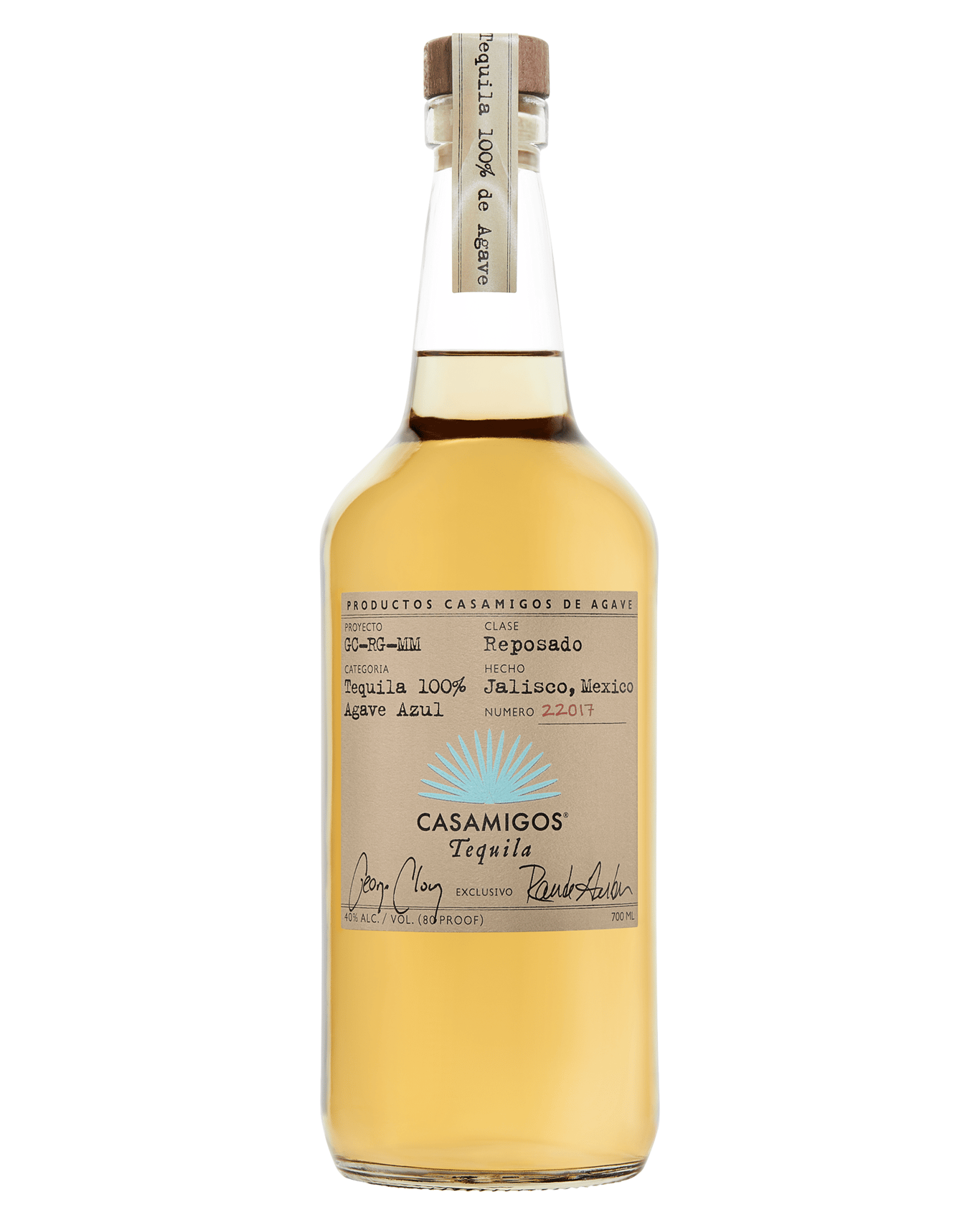
2. Casamigos Reposado
Reposado (or ‘rested’) tequila spends somewhere between two and 12 months ageing – usually in oak but sometimes stainless steel. That gives it a little extra depth compared with blanco styles, though it trades off by losing a little of that green freshness. Versions like this reposado from Casamigos pick up spicy oak characteristics, hints of cacao and caramel, and some dried fruit sweetness, making them ideal for sipping neat or adding extra flavour and richness to punchy cocktails like the Negroni-riffing Rosita.
Click image to shop
Click image to shop
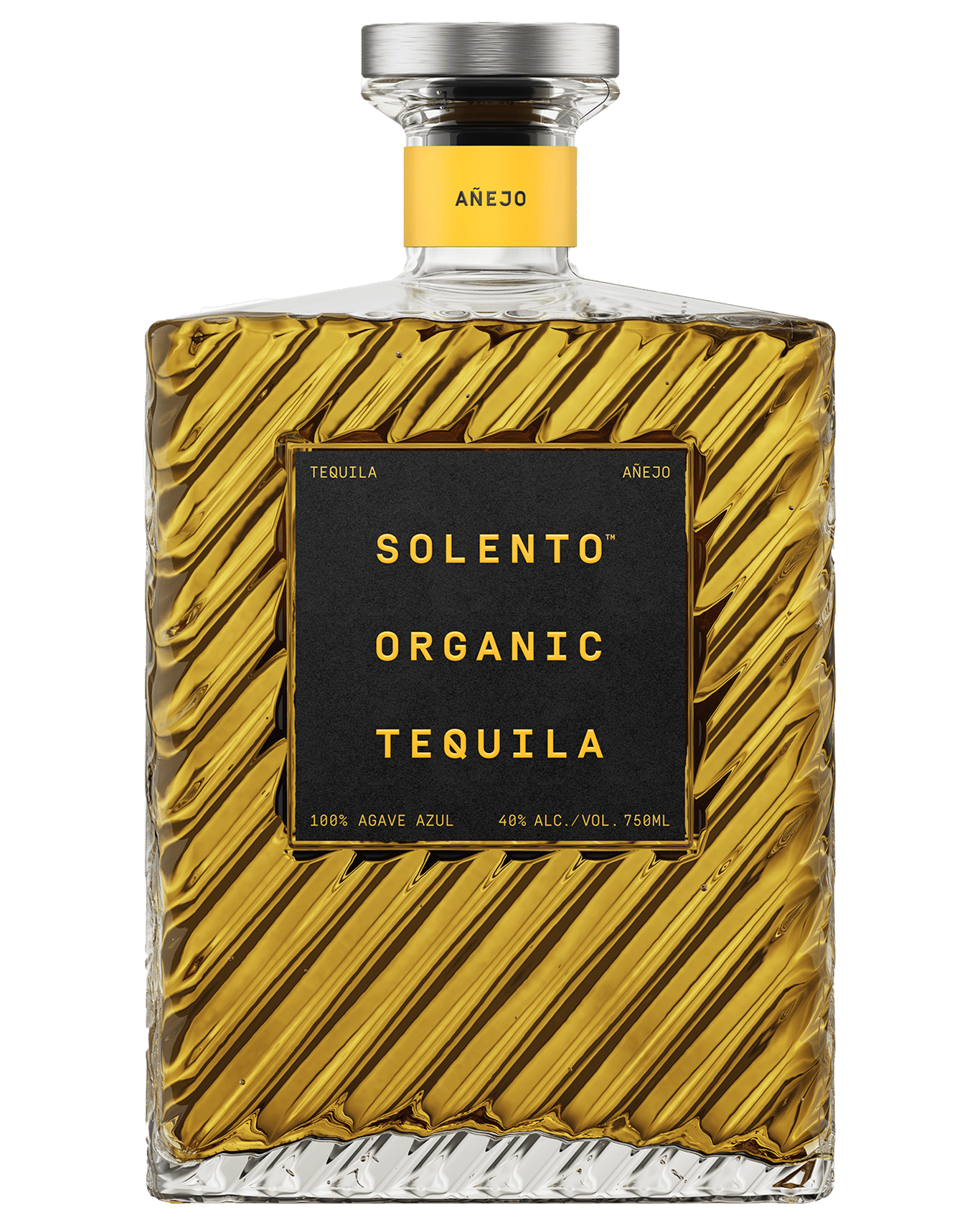
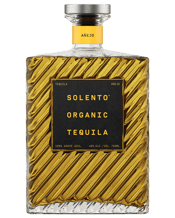
3. Solento Organic Añejo Tequila
Añejo tequila is the longest-aged style, getting additional flavour, colour and depth from spending at least a year in oak. Varieties like this one from Solento are treated much in the way that a whisky would be, picking up complexity from 18 months in ex-American whiskey oak barrels. The result is a darker-coloured spirit with a little sweetness, and maple and vanilla flavours on top of those roasty tequila notes. This is an ideal sipper, but you could certainly sub this in wherever whisky is usually used – like in a Manhattan, for example.
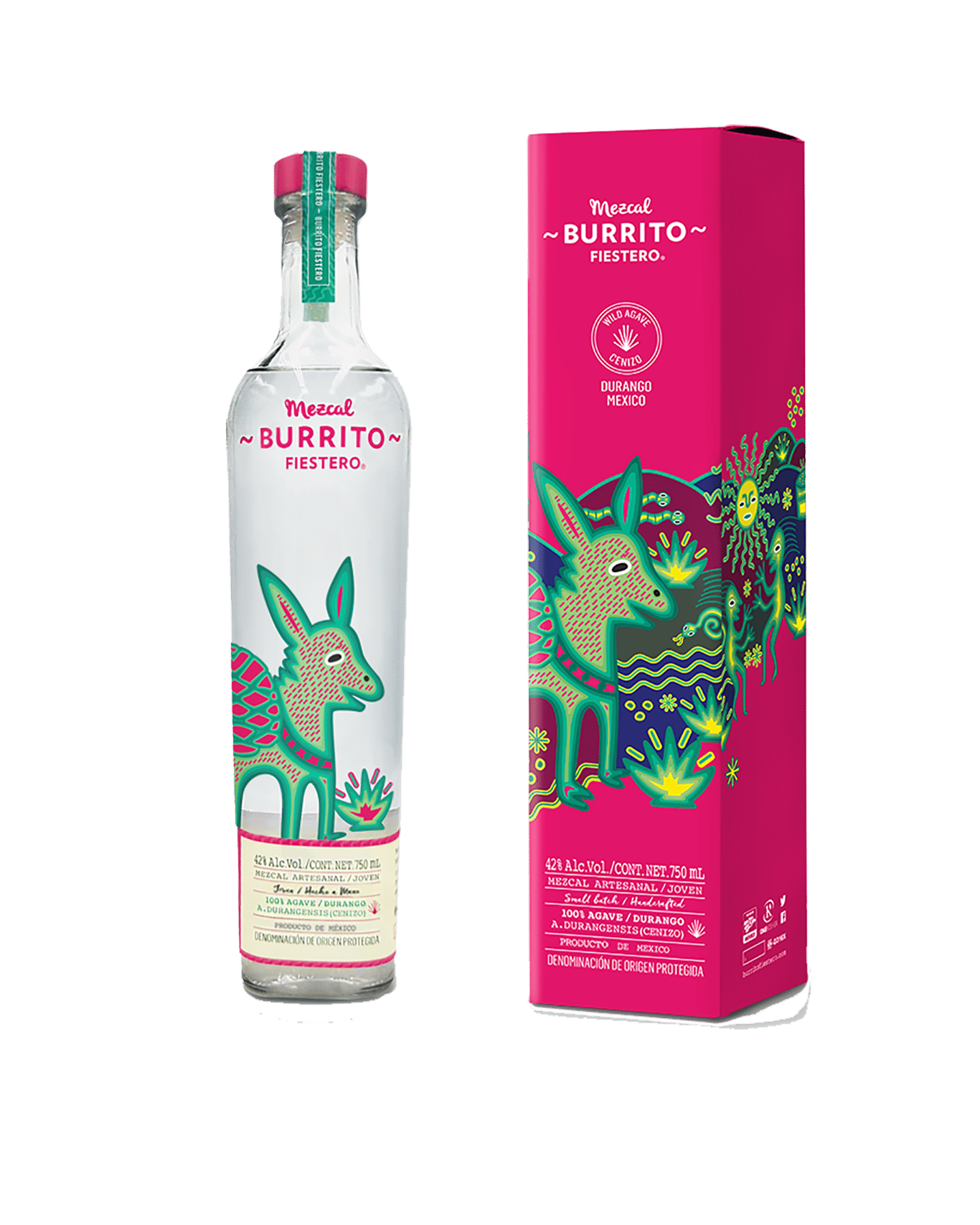
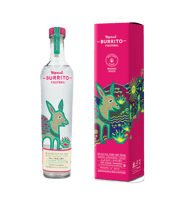
4. Burrito Fiestero Cenizo Mezcal
Mezcal is quite different to its cousin tequila, owing to its deep and smoky flavour profile. Agave (which can be any type, not just the Blue Weber used in tequila) is typically roasted in the ground, which imparts that signature smoky flavour, similar to peat in Islay Scotch whiskies. Some mezcal can be intensely smoky while others – like the Burrito – are on the subtler end, balancing that fiery side with soft floral aromas and fruity flavours. This is a wonderful sipping spirit on a cold night, but it’s equally well-suited to cocktails like the Penicillin, which usually call for peated whisky.
Click image to shop
Click image to shop
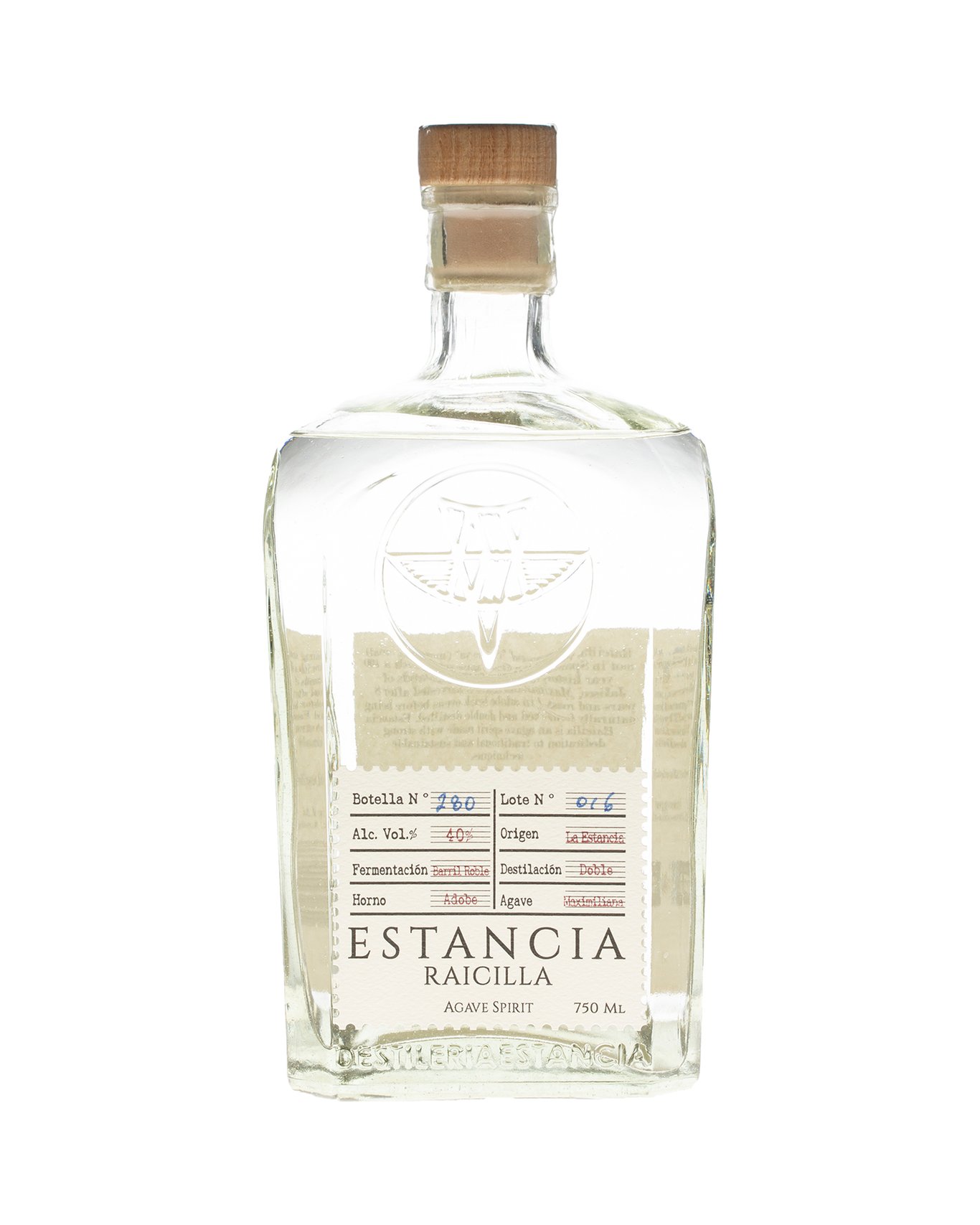
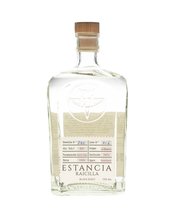
5. Estancia Maximiliana Raicilla
If you haven’t heard of raicilla, you’re not alone. Outside of its homeland in Mexico, raicilla is still pretty obscure – but hopefully that’s about to change. Raicilla is hard to define, since it comes with such a spectrum of flavours that run from the fresh and lively like blanco tequila, to intensely smoky like mezcal, and it can also be made with any type of agave. This one from Estancia is a good introduction to the regional agave spirit, being more on the fruity and soft side, with flavours like pear and citrus. Consider this a great alternative to blanco tequila wherever you’d normally use it.





%20(1)?$dans-daily-web-image$&hei=900)
?$dans-daily-web-image$&fmt=png-alpha&wid=800)