There’s a new wave of lighter-in-alcohol white wines and rosés hitting our shelves, and they’re getting seriously good. We find out why.
There’s something comforting in knowing that some 2,500 years before we started writing down our thoughts (around the year 3500 BCE), humans were already making wine. Now, 8,000 years later, we’re still improving, experimenting and adapting the experience. Talk about dedication to the cause.
If you’ve been following along, you’ll know that we’ve been really excited about the advance in zero% alcohol drinks. But retaining at least some of the alcohol often means a finished product that’s much closer in taste and texture to the original. Lighter-in-alcohol drinks offer the chance to have a sip with a few points of ABV shaved off, something that’s only getting more attractive as the drinks themselves improve. And boy, have they improved.
With a stellar new range of lighter-in-alcohol white wines and rosés hitting the shelves at Dan Murphy’s, we thought it was time to take a closer look at what sets this new wave of wines apart from those that have come before.
The amount of alcohol in wine is really variable. Some – particularly sweeter styles like moscato – can be nearly beer-strength at around 5%, while a big Barossa shiraz can sometimes top 15%. Typically, though, you’re looking at somewhere between 11 and 14% ABV for most table wines.
For the lighter-in-alcohol wines now hitting the market, you’ll see ABVs around the 7% mark – a mid-strength, really. The important point to note is that this category is all about wines that have had alcohol removed, rather than simply having a naturally low ABV (versus a style like piquette). For winemakers looking to give us the same flavours we’re used to, getting there means using some pretty clever tech.
“We know we can make wines that taste pretty much like, dare I say, the real thing, only at that lower alcohol,” says Louisa Rose, head of winemaking at Yalumba. For the new Yalumba Y-Series Low Alcohol wines, Louisa is wheeling out the big guns, using a technique called reverse osmosis to lower the alcohol content in full-strength wines.
“You’re basically putting your wine through a filter,” she says. “In fact, the bit you keep is the bit that hasn’t really gone through the filter – it’s just to bring out this really fine alcohol. It’s quite incredible. We feel that it’s quite a gentle process.”
This last point is important, too, because while lighter-in-alcohol wine (that is, wine with some alcohol removed) has been around for a while now, it’s been produced with other techniques like vacuum steam distillation (in which heat evaporates the alcohol in a vacuum) or spinning cones (a centrifuge that spins compounds out of the wine).
Those are effective at removing alcohol but, for Louisa, not ideal for producing great wine. “I think they could be relatively destructive on flavours and textures, so the wine got quite battered around in the process,” she says.
Turns out, quite a lot of what we love about wine comes from alcohol, which provides richness, body and a certain sweetness. On top of that, once the alcohol is removed, qualities like acidity and tannin are more pronounced.
With a gentler approach to removing alcohol, certain delicate flavour compounds are retained in the wine, making up for the missing alcohol and striking the balance between flavour, mouthfeel and alcohol content. It’s a fine line, but using some clever techniques and winemaking skill, we’re starting to see wines that taste very much like their full-strength counterparts. And that means good times ahead for those looking for a lighter alternative to full-strength wine.
Below, we line up five of the latest to catch our attention.

Click image to shop
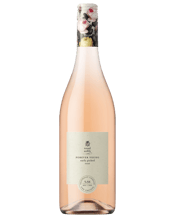
1. Tread Softly Forever Young 5% Rosé
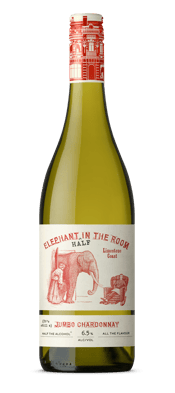
2. Elephant HALF in the Room 6% Chardonnay

Click image to shop

Click image to shop
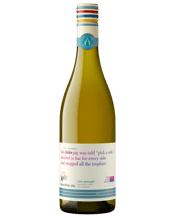
3. Squealing Pig Mid Strength Sauvignon Blanc
4. Yalumba Y-Series Lighter Pinot Grigio

Click image to shop

Click image to shop
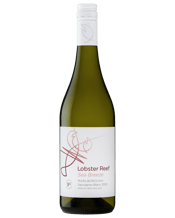
5. Lobster Reef Sea Breeze 9% Sauvignon Blanc