


Forget shaken or stirred, the perfect Martini is all about the gin. Four experts share their go-to picks.
A Martini only needs two ingredients – gin (or vodka) and vermouth – so you’d think it’d be easy enough to master. Whack ‘em together, pour it out, have a drink and go home, right? Uh, no. Technically correct, but not quite enough to pass the test and get your Martini licence.
The classic gin Martini (sorry James Bond, we’ll talk about the Vodka Martini another day) is a study in subtlety, technique and – most importantly – picking the right gin. Most of a Martini is gin (a 4:1 ratio, according to our favourite recipe), with the rest made up of dry white vermouth and optionally finished with garnishes like olives and olive brine (for a Dirty Martini) or a pickled onion (for a Gibson). Tinkering with the vermouth ratio can give you a ‘wet’ or ‘dry’ Martini but, however you swing it, gin gets top billing.
You know where to find great gin and perfect Martinis? The best cocktail bars in the country, that’s where. To find out what’s what with gin Martinis, we asked a few of the experts: Tim Speechly of The Nixon Room in Brisbane, Cameron Parish of Melbourne’s Apollo Inn, Pink Moon Saloon’s Sophie Carles in Adelaide, and Leah Dunnigan from Sydney’s Bar Planet. These are four people (and four bars) we seriously trust to handle the dark art of making the perfect drink.
So, next time you’re mixing up a Martini, remember which gins your old pals recommended. (Or, if you’re heading to one of these bars, check out our guide on how to properly order a Martini).
Click image to shop
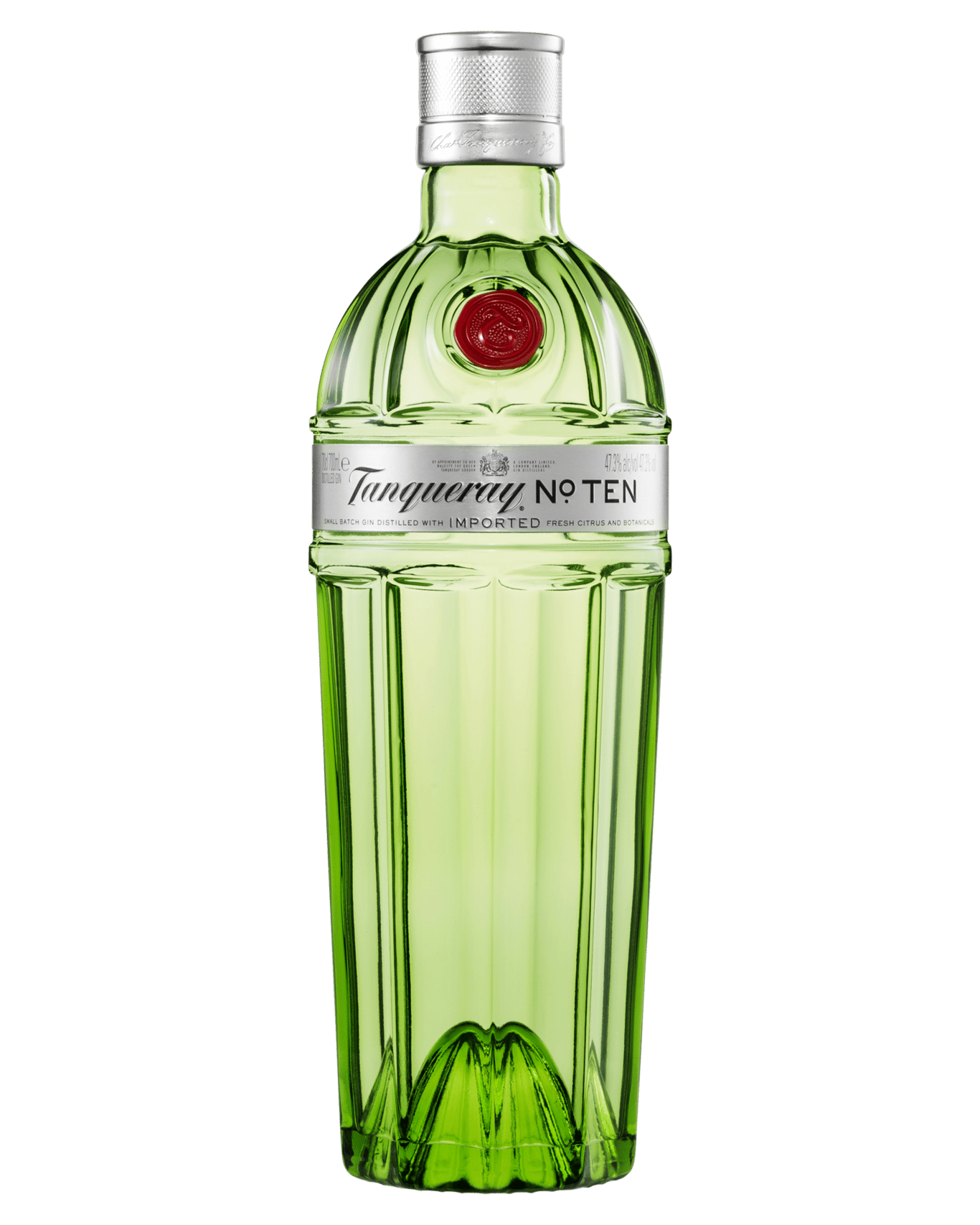
1. Tanqueray No. Ten
For The Nixon Room’s Tim Speechly – a seasoned hospo professional with many years at award-winning cocktail bars under his belt – good Martinis follow a rule of Cs: crisp, cold and clean. “Crisp implies a London dry-style gin, preferably juniper-forward,” he says. “Cold is relatively easy to achieve; a frozen glass and a drink served at cold/frozen temperatures. And finally, clean doesn't necessarily mean they can't be dirty, but rather an uncomplicated gin and vermouth combo.”
Tim reckons a great place to start on your Martini-making journey is with Tanqueray No. Ten. “It’s a classic-style London dry gin, citrus-forward for citrus lovers – a gin made for a twist of grapefruit, orange, or lemon,” he says.
As a London dry gin with zesty character and a higher ABV (47.3%), Tanqueray No. 10 also fits the bill for the talented Sophie Carles from Pink Moon Saloon, where the glasses are kept at -18°C and Martinis are carried to the table frosty. She uses it in her preferred wet Martini (that’s a Martini with extra vermouth, FYI). “[Serve with] a generous splash of vermouth and lemon oils for a smooth and elegant Martini,” she says. She suggests you garnish with a lemon twist and a dash of orange bitters to take it to the next level.
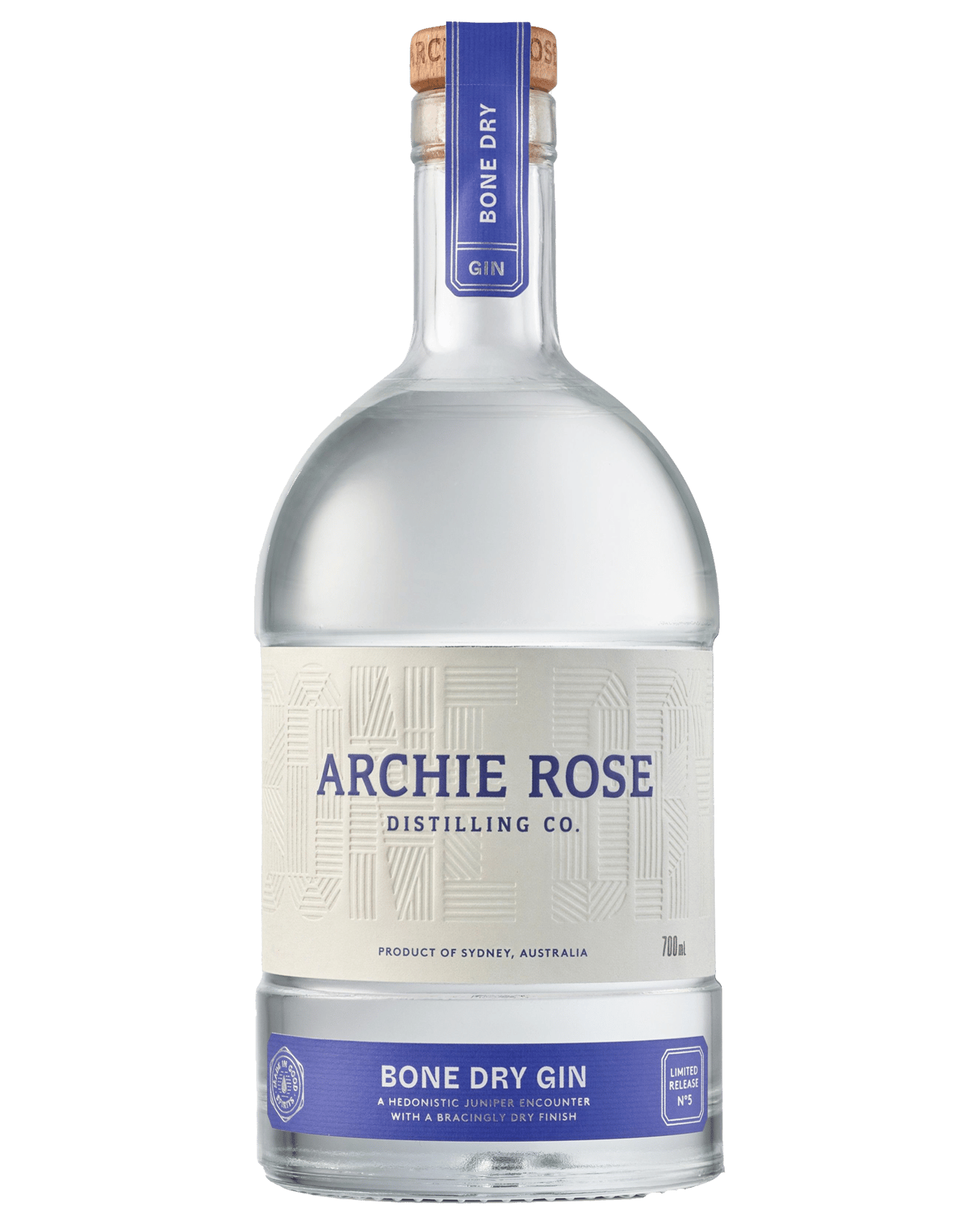
2. Archie Rose Bone Dry Gin
“When selecting a gin for a Martini, it’s best to start with something dry and classic,” Sophie says. “A gin with a more savoury flavour profile will lend itself nicely to a dry Martini. I tend to avoid anything fruity or sweet.” Dry is certainly the name of the game with this Archie Rose Bone Dry gin, which leads with botanicals like lemon scented gum, Australian coriander seed and Tahitian lime and finishes with dry Macedonian juniper. “The best way to make a consistently good Martini at home is to pre-batch and pre-dilute a bottle of your Martini, and keep it in the freezer,” Sophie advises.
For Tim, this gin suits a Martini that is simple, classic and on the drier side (that is, with less vermouth). “It’s exactly as it says on the bottle, bone dry,” he says. “Great for people who love lemon twists or served straight up with no garnish.” Sophie would also serve this gin in the dry style, “with a lick of vermouth and olives for a bracingly dry Martini.”
Click image to shop
Click image to shop
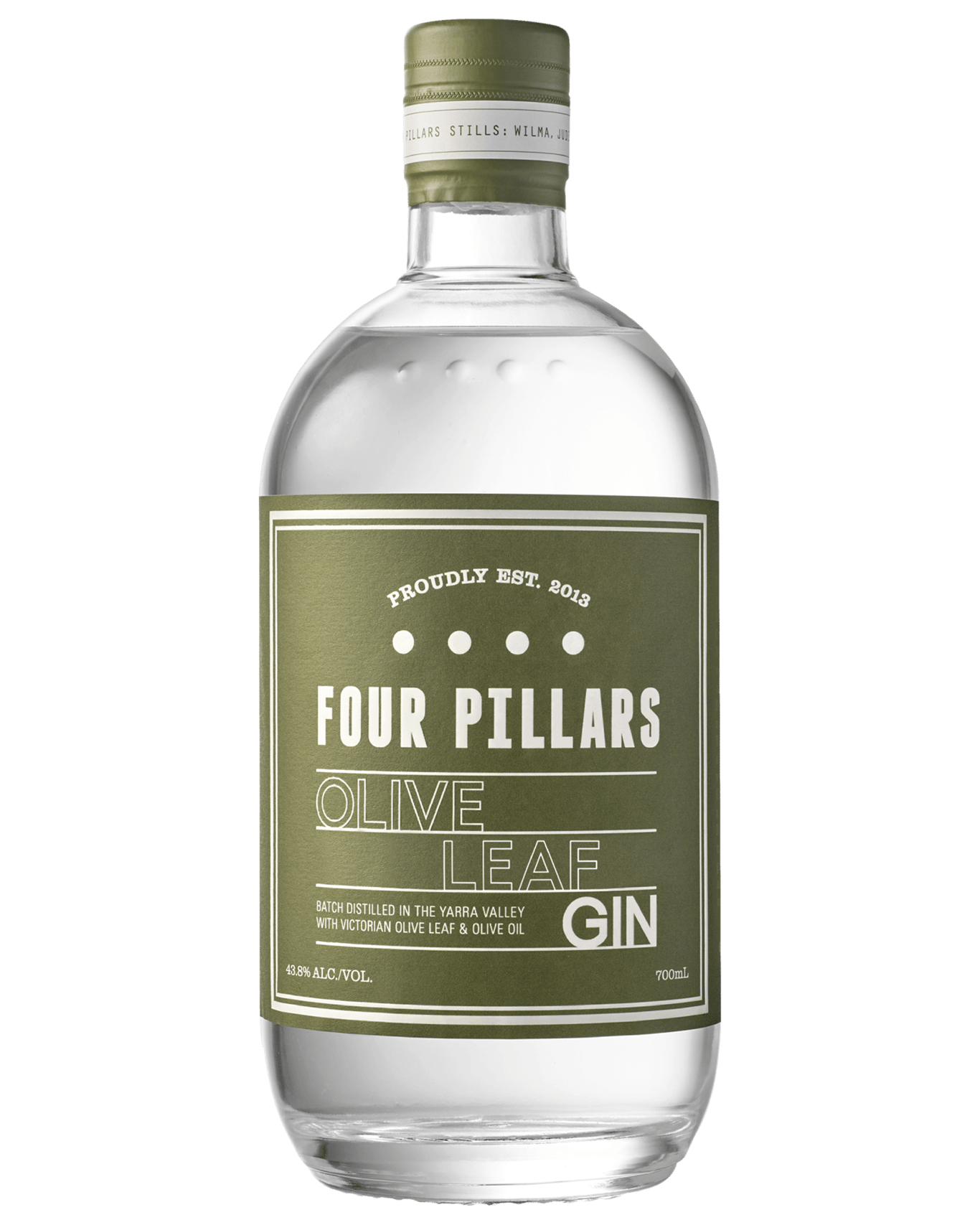
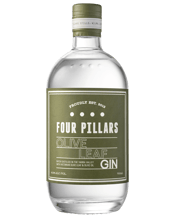
3. Four Pillars Olive Leaf Gin
Bar Planet is a dedicated Martini haven and Leah Dunnigan (the bar’s self-styled ‘Martini Disco Chief’) takes particular pride in finding the right balance of gin, vermouth and garnish to make each guest’s perfect drink. In fact, for their house Martini, they actually create their own “mother stock spirit” with the help of local distiller Poor Toms.
But when it comes to stirring up your own at home, Leah has some advice – and hers is advice worth taking. “The beauty of a Martini is it’s so personal to the drinker… When picking your gin, consider the botanicals – this will help you figure out what flavours you’ll get,” says Leah. “Gins can be citrusy, peppery, floral or even have salty notes.”
In this case, it’s the flavours of olive leaf and olive oil that makes Four Pillars Olive Leaf gin the one to buy. “It provides a beautiful savoury, slightly umami flavour to a classic Dry Martini or can bump up your Dirty Martini to absolutely filthy,” Leah says.
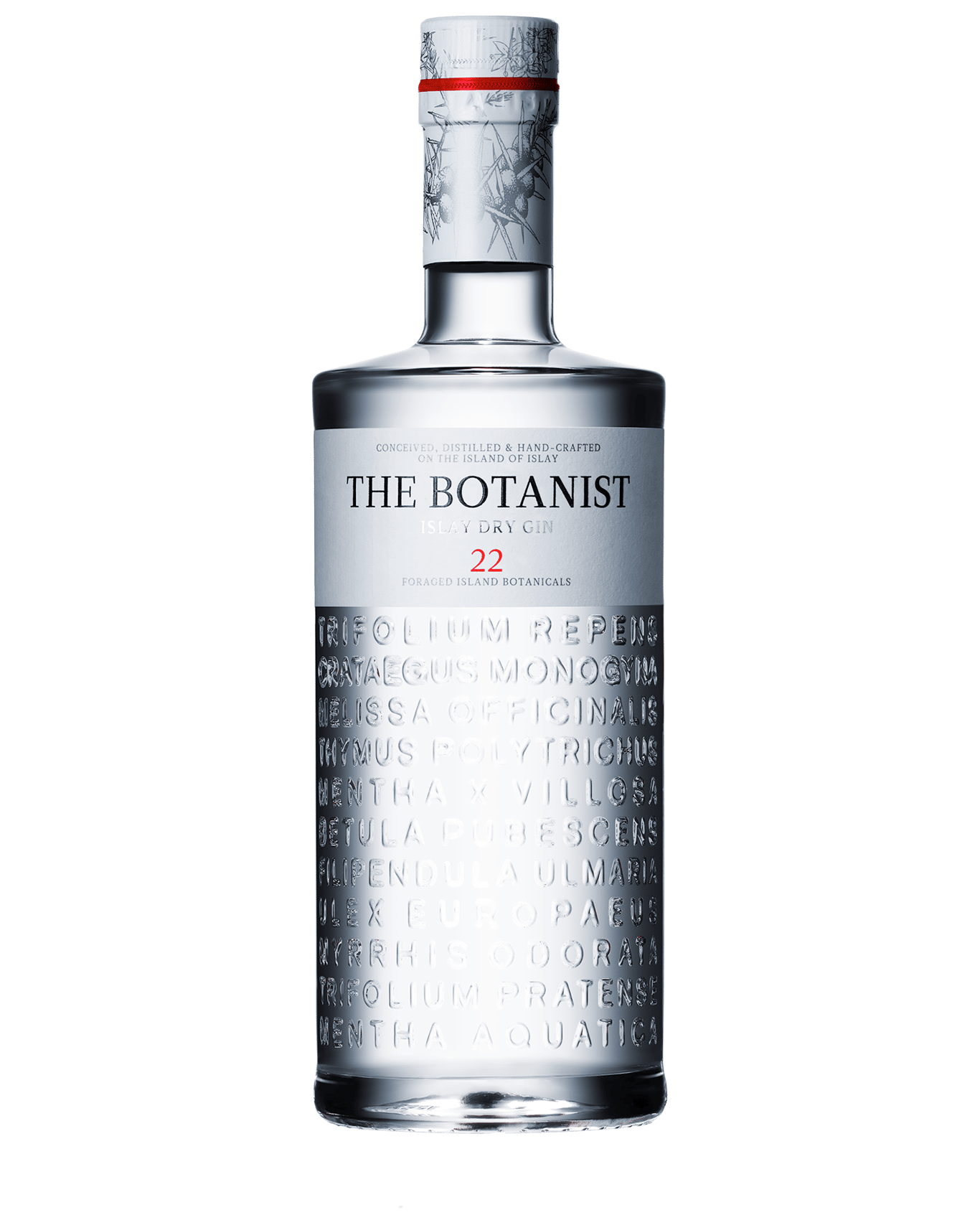
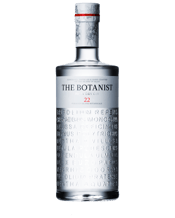
4. The Botanist Islay Dry Gin
They don’t do things by halves at Apollo Inn. The team at Gimlet’s spin-off cocktail bar settled on The Botanist Islay Dry Gin, but they didn’t phone it in. “We tried over 15 gins to find the perfect gin,” says Cameron Parish – the mixologist with encyclopaedic cocktail knowledge responsible for developing their acclaimed bar programs. “We knew it would be something in the London dry style, however, the Botanist – which is actually made in Scotland – came up trumps due to the maritime influence on its flavour profile. The salinity and texture brings a rounded mouthfeel balancing out the lean extra-dry vermouth that we use.”
The Botanist is the team’s gin pick for Apollo Inn’s house Martini (served dry) but, whichever way you go, Cameron recommends finding a Martini-appropriate gin that works for your flavour preferences. “A Dry Martini is probably the most common style to make at home. For this I look for a gin that is very clean and to the point, but also has a bit of weight and texture to it,” Cameron says. Just be careful with some of the souped-up, botanical-heavy styles – “New-world style gins can be quite intense. If this is your preferred gin, just make sure it's balanced enough to work in a Martini. You don't want something that takes over completely,” he says.
Click image to shop
Click image to shop
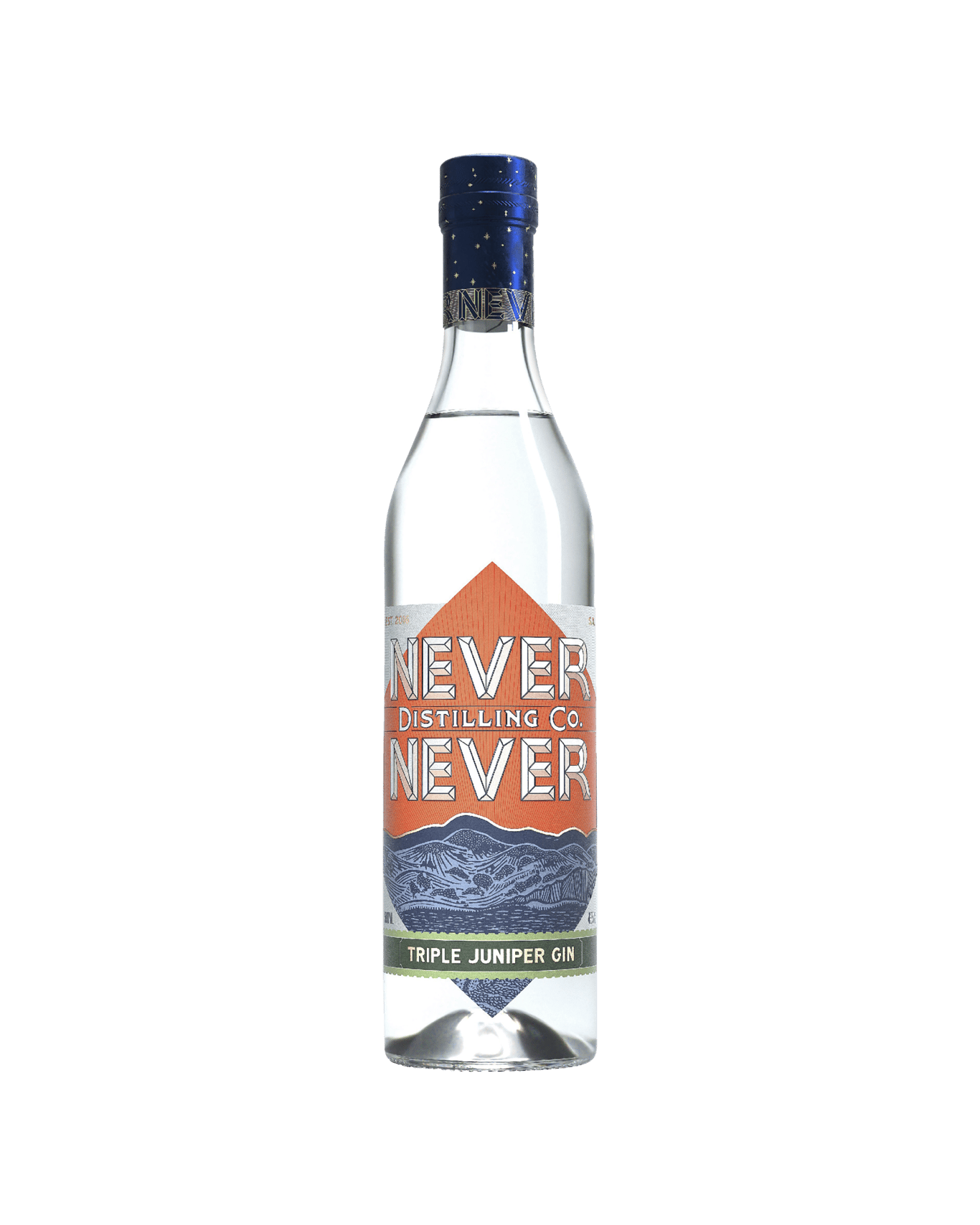
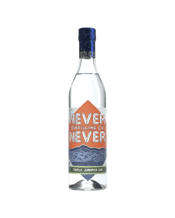
5. Never Never Triple Juniper Gin
Juniper is the flavour when it comes to gin. The name gin actually comes from the word juniper (by way of gin’s early Dutch predecessor called genever), so it makes sense that a juniper-heavy gin would be a favourite of those in the know. The Never Never Triple Juniper gin is an aromatic and fresh style with plenty of juniper jumping in alongside eight other botanicals – perfect, says Leah, for a Wet Martini. “The bite and pepper of the extra juniper carries through with the slightly extra vermouth. Finishing off with a grapefruit twist brings out a subtle citrus finish,” she says.
At Apollo Inn, Cameron uses Never Never for their Gibson – a cocktail that, despite its different name, is really just a Dry Martini garnished with a zingy little pickled onion rather than an olive (plus a little house twist from the Apollo team). “The savoury profile of this gin is perfect with the house-made cucumber brine that we use,” he says.”
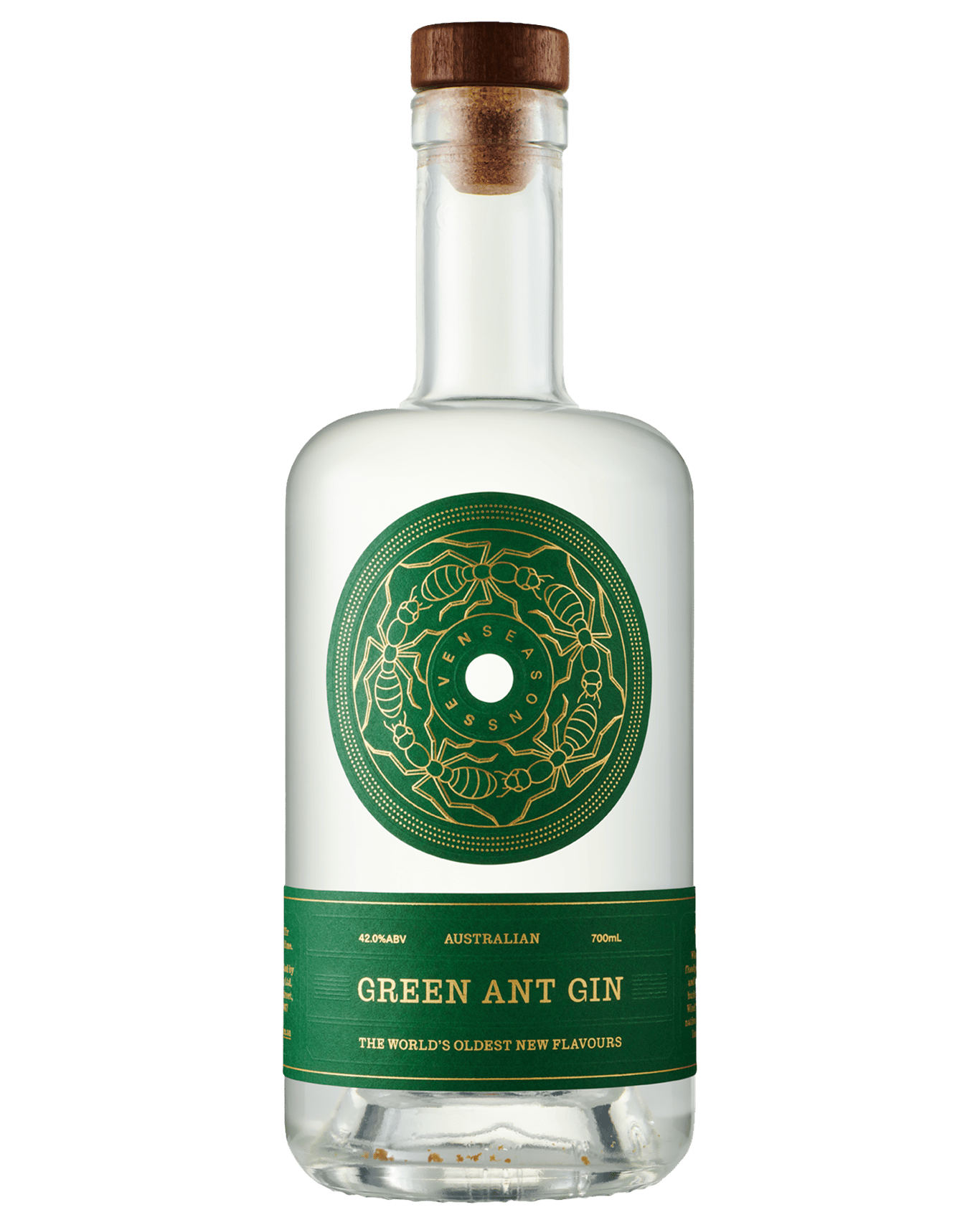
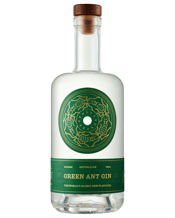
6. Seven Seasons Green Ant Gin
The glorious thing about gin is that, unlike many spirits, producers are free to get as creative as they like with the flavourings they use (as long as there’s juniper in there). Ex-AFL player Daniel Motlop brings a set of particularly Australian flavours to Green Ant Gin, using wild-harvested strawberry gum, pepperberry, lemon myrtle and anise myrtle alongside a handful of those green ants themselves, which have a zesty, lime-like flavour. All of which, says Leah, makes for an ideal Dry Martini with a surprise.
“Green Ant Gin is another complete standout with strong Makrut lime notes, coriander and lemon myrtle providing a crisp, citrusy and bright flavour profile for a perfect Dry Martini,” Leah says. “This gin still gets a nice spice from some pepperberry and some sweetness from strawberry gum and don't forget the nice little protein addition from the little green ants!”
Click image to shop

1. What is the best gin for a Martini?
There is no one specific gin that is the best choice for all Martinis. But a classic, dry, juniper-flavoured gin is a good choice. Tanqueray No. Ten is recommended because of its citrusy flavour. If you don't want a fruity flavour, you can lean into Archie Rose Bone Dry, which is more traditional for a Martini. Four Pillars Olive Leaf Gin is a good option when preparing a savoury or Dirty Martini.
2. What type of gin is best for a Dry Martini?
For a Dry Martini, go for a gin with a clean, dry, sharp character. London dry style gins are a traditional choice, provided that the gin has enough body and texture to stand up to dry vermouth without dominating it. Other good gins for a Dry Martini are Archie Rose Bone Dry gin or Four Pillars Olive Leaf gin depending on your preference.
3. What is the best garnish for a Gin Martini?
The best garnish for your Martini depends on the Martini style and gin you’re using. For a Dirty Martini, use olives to go with that olive brine, while for a Gibson, a pickled onion is a classic garnish. A lemon twist and a dash of orange bitters works well with citrusy gins such as Tanqueray No. Ten.
4. How much gin and vermouth should you use in a Martini?
Most Martinis are gin-based, using a ratio of 4:1 – four parts gin to one part vermouth. If you prefer a drier Martini, reduce the vermouth, or if you like it the other way, increase the amount of vermouth in your Martini.
