Intel on the rising stars and cult-favourite producers from Australia’s pinot paradise.
Time for a field trip. We’ll head an hour or so from the centre of Melbourne, due south-east. Once the industrial outer suburbs give way to green hills and paddocks of dairy cows, we’re in Gippsland, a sprawling region that ends somewhere near the far eastern border with New South Wales. Beautiful country, hey?
Our road trip splits the middle of Victoria’s two most famous wine regions – the Yarra Valley to the north, Mornington Peninsula to the south – but Gippsland is, it turns out, quietly making its own name for pinot noir. And although it doesn’t yet get the headlines of its famous neighbours, there’s so much to love about Gippsland’s unique take on the wine.
Jump to the bottom to check out four producers we’re loving right now, or stay with the group and we’ll learn a few basics about why Gippsland is popping off for pinot.
Now for a real quick geography lesson (it’s a field trip, guys, we have to do some learning). Although it begins an hour from Melbourne, Gippsland is actually massive, stretching all the way east to the New South Wales border and being divided into four geographical subregions: West, South, Central and East.
- West Gippsland: Just west of Melbourne – by the time you’ve left the last warehouses of the outer suburbs behind, you’re there. Say hi to the cows for us, won’t you?
- South Gippsland: South of West Gippsland, all the way down to the chilly, breezy tip of Wilsons Promontory.
- Central Gippsland: Smack bang in the middle, incorporating the start of the region’s lakes and some stunning coastlines.
- East Gippsland: Starting on the coast down near Bairnsdale and extending east past Mallacoota, and north all the way up near Mt Hotham.
Each area has its own wine-related characteristics, with subtle variations in altitude, soil type, climate and rainfall but, it turns out, they’re all great for pinot noir.

William ‘Bill’ Downie is the poster boy of Gippsland pinot noir, growing pinot in several vineyards in West Gippsland. He knows from experience that the climate is spot-on for making great wine.
“Pinot noir likes humidity,” Bill says. “If you look at where it does well in the world, they’re generally, of course, cool climates, but equally they tend to be reasonably high rainfall or at least humid climates. So Gippsland, and in particular West and South Gippsland, fit the bill extremely well and much more so than, for example, the Yarra Valley or Tasmania or Macedon, which are generally really quite dry climates, compared to Gippsland.”
A whole lot of rain and cool weather are perfect for pinot noir because, like the younger brother who spent all summer inside playing games, pinot is no fan of the hot sun. “Pinot noir has a lot of complex tannin compounds that are present as flavour, but they’re quite sensitive to both sunlight and temperature, and so, if you have a warm and dry climate, a lot of those really interesting flavour compounds are degraded by sunlight and heat,” says Bill.
This low temperature and high humidity combo is actually pretty unique in the world of wine growing. Gippsland is cooler and much wetter than Burgundy – pinot noir’s ancestral French home – while there’s a long enough summer that everything gets nice and ripe. It makes Gippsland, essentially, a pinot paradise.
The characters of Gippsland pinot noir
All right, all right – pinot noir loves growing in Gippsland, sure, but it’s the wine we’re interested in. While Gippsland is a bit of an untapped market (it’s over 41,000 square km in size but produces just 1% of the amount of wine that comes from the Yarra Valley), the comparatively small amount of pinot noir coming from the region is getting a name based on a set of unique flavours.
South of the Strzelecki Ranges, flavours are darker – think dark cherries, black plums and savoury spices. Northside, things get a little brighter, with zingy cherry, raspberry and blood plum flavours showing through. Bill, though, says there’s one particular characteristic that tends to shine in Gippsland pinot most of all.
“Because most of the vineyards are planted on volcanic soil, you can always taste the red soil in the wines,” he says. “If you imagine drinking water out of old rusted pipes, there’s a character of that in the wines, always, which I think is one of the defining features.”

Click image to shop
Players like Bass Phillip have been leading the charge for Gippsland over the past few decades, but there’s a more recent brigade of buzzy producers that we’re loving lately. Whether you’re new to Gippsland pinot noir or looking for a reminder of why the region is so good, find yourself a bottle from one of these guys.
Fleet
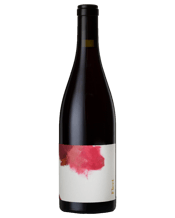
Since ditching Melbourne’s hospo scene for the greenery of Leongatha in South Gippsland, Lisa and Justin Jenkins have quickly honed their pinot noir into one of our faves. Their Nostalgia Pinot – from vines planted in 1990 – is packed with cherry and plum flavours, and is all about evoking the region. Plus, their self-described ‘rock and roll cellar door’ (featuring vinyl records and local cheeses) is a definite stopover on any Gippsland trip.
William Downie
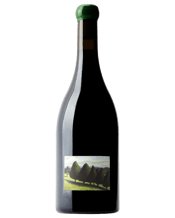
Gippsland’s pied piper of pinot tends densely-packed vineyards outside Yarragon in West Gippsland and a small plot near Warragul. Bill’s philosophy is all about reflecting the unique qualities of Gippsland. “What we’re really interested in is expression of place,” he says. “And, I think, where we are does it better than anywhere else in Australia.” Bill’s Gippsland Pinot Noir is concentrated and powerful, with floral notes and spices alongside black fruits.

Click image to shop
Patrick Sullivan
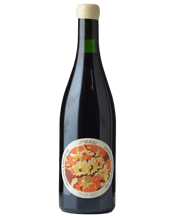
Winemaker Patrick Sullivan only does chardonnay and pinot noir (very Burgundy, Pat) – and while he’s especially celebrated for his chardy, it’s worth noting that he also does pinot extremely well. The philosophy here is hands-off, minimal intervention winemaking, letting the natural flavours of Gippsland do the heavy lifting. Lately, we’re loving the Patrick Sullivan Gippsland Pinot, which blends fruit from Maffra in Central Gippsland and Berry’s Creek in South Gippsland. The result is a silky pinot with plenty of weight and classic Gippsland cherry and floral flavours.
Moondarra
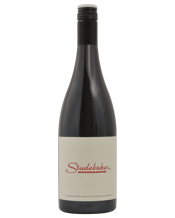
Moondarra winemaker Neil Prentice claims that he sold his 1957 Studebaker President to buy fence posts for his vineyard. It’s a ripping car, to be sure, but we’re not shedding a tear considering how good his wine is. Made in the foothills of Mt Baw Baw in West Gippsland, Moondarra pinot is a perfect example of Gippsland wine – particularly the aptly-titled Studebaker Pinot Noir, which is bright with flavours of sour cherry.