%20you%20need%20to%20know?$dans-daily-web-image$&wid=1400)
Taste your way through some of the Iberian Peninsula’s best wine regions.
%20you%20need%20to%20know?$dans-daily-web-image$&wid=900)
Click image to shop
1. Rioja, Spain
Pronounced ree-oh-hah and located in the country’s north, Rioja is Spain’s most famous wine region and the spiritual home of the tempranillo grape. "Everyone who knows Spanish wine wants something from Rioja," says Eralde, "because it's something Spain is known to do so well. The north of the region is a little cooler, the south is a little warmer, but the wines tend to have a medium-bodied texture and are very easy to drink."
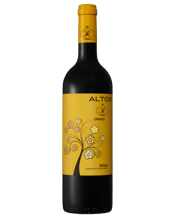
Any wine labelled as Rioja will be produced from the tempranillo grape, often with a blend of garnacha (AKA grenache), mazuelo or graciano as well. They may have a designation of either Crianza, Reserva or Gran Reserva, which refers to the amount of time the wine has spent ageing before its release. "The Altos R is a Crizana, meaning it has been aged a minimum of two years, with at least one year in oak," says Eralde. "This means it will be smoother and more approachable, with a little more complexity without being overwhelming."
2. Rias Baixas, Spain
Rias Baixas produces crisp, refreshing whites on Spain’s western coast. Albariño (alba-reen-yo) reigns supreme and the grapes are actually grown high off the ground, strung overhead to keep them safe from heavy rainfall and rot. Once ripened, they create a beautiful canopy ceiling and pickers harvest the fruit by standing on grape bins.
"In terms of white wines, this is what Spain does best," says Eralde. "Ask anyone in Spain about albariño and they'll talk about Rias Baixas. It's like a sauvignon blanc without the highly aromatic element. The passion fruit is still there, but not as pronounced as something that comes from Marlborough, New Zealand."
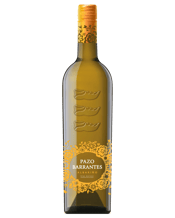
Though albariño is an entirely different varietal, it falls somewhere, in terms of flavour profile, between sauvignon blanc and pinot grigio, and a wine like Pazo Barrantes Albariño perfectly encapsulates this. "It reflects the regional cuisine, which is crustaceans," says Eralde. "So if you're looking for a pairing that's seafood-oriented, like prawns, calamari or white fish, this wine is perfect."
%20you%20need%20to%20know-jpg?$dans-daily-web-image$&wid=900)
Click image to shop
%20you%20need%20to%20know-jpg?$dans-daily-web-image$&hei=1100)
Click image to shop
3. Ribera del Duero, Spain
Ribera del Duero is located in the middle of Spain, about a 90-minute drive north of Madrid, and though wine grapes have been growing there for at least 2000 years, it was virtually unknown as a wine region until the 1980s. The region is getting plenty of love now though, thanks to its bold, structured reds made from the tempranillo grape.
"This is the big difference between a Ribera and a Rioja," says Eralde. "Ribera wines tend to be more structured because the region is further inland and the wines are a little more alcoholic, in most cases. Riojas tend to be medium-bodied, whereas Ribera is usually drier and fuller-bodied."
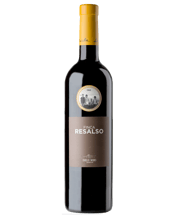
It's worth noting that tempranillo is known by the locals as tinto fino, which is responsible for 95% of total production. And when it comes to choosing a wine, it's hard to go past anything from Emilio Moro, from which you can expect dark fruits, like blackberry and blackcurrant, as well as a touch of oak and lively tannins. "Everyone in Spain associates Emilio Moro with the Ribera region," says Eralde. "It's very well known. I love the brand and try to get my hands on anything I can find. It's great with paella – a bit of pork, a bit of rice – and when shared with friends."
4. Bierzo, Spain
The region of Bierzo is a rising star, so anyone partial to Spanish wine would do well to pay close attention. It's an inland region, close to the border separating the Galicia and Leon provinces, and is known for its mencia wines. These are sophisticated and elegant wines, similar to a pinot noir, that tend to be dark cherry in colour.
"This grape grows mainly in Spain and the Spanish have been making this wine for a very, very long time," says Eralde. "I'd describe it as a Yarra Valley pinot noir – slightly earthy and savoury – with a bit of gamay's freshness thrown in. It's something that's really easy for a pinot-oriented person to drink, with a bit of body and a fruitiness that isn't overpowering.
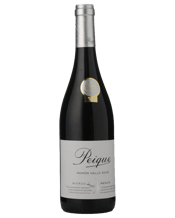
Fans of pinot noir, or gamay, will find plenty to enjoy in the Peique Ramon Valle Mencia, which offers a real liveliness along with those darker fruits. "It's a beautiful wine to get into as a light red," says Eralde, "and something quite trendy for the Spanish people as we didn't grow up with pinot noir. Instead, we have mencia."
%20you%20need%20to%20know-jpg?$dans-daily-web-image$&wid=900)
Click image to shop
%20you%20need%20to%20know-jpg?$dans-daily-web-image$&wid=900)
Click image to shop
5. Lisboa, Portugal
Though Lisboa is a relatively small wine region, its winemakers are doing impressive things. The Portuguese capital of Lisbon is smack bang in the middle of the region and the Serra de Montejunto hills shield it from the wild winds of the Atlantic Ocean, helping to moderate the climate.
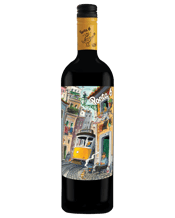
The region is known for making excellent-value reds, like the Porta 6. "This is a really good introduction to Portuguese wines," says Eralde. "It has similar attributes to a red from Rioja, though it's slightly drier. Portugal is obviously known for producing port, as that's what they do best, but this means not many people have heard about the red or white wines. I love these wines and try to seek them out because you don't have to sacrifice huge amounts of money to enjoy something new and really interesting."
6. Jerez and Sanlúcar de Barrameda, Spain
These two regions neighbour each other in Andalucia, which covers Spain's southern pocket, and are known for their fortified wines. The vineyards make up two sides of what's known as the 'Sherry Triangle', with vast plantings of the palomino grape that's used to make seven distinct styles of sherry. One of Eralde's go-tos is Alvaro Domecq La Janda Fino, which is the lightest of the seven sherry styles.
"Mmmm, that's good," says Eralde, thinking back to the times he's enjoyed a glass at a wedding or other celebration. "For me, in Spain, people of all generations drink this. It's a wine that's slightly oxidised, which means there's a floral, fermented scent, as well as a nuttiness and these really appealing almond characters. It's a little salty, a little sweet, and very refreshing."
%20you%20need%20to%20know-jpg?$dans-daily-web-image$&wid=900)
Click image to shop