And they're more varied and satisfying than ever.

Fortified wines are enjoying increased popularity as a cocktail ingredient. Take vermouth, which is historically served in Italy as an aperitivo, but Negronis, Manhattans and Martinis – to name a few – all make good use of it too.
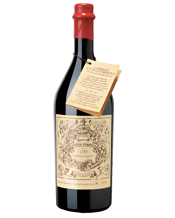
Vermouth can be sweet or dry, along with plenty of bitterness and herbal notes, and Carpano Antica Formula is an authentic Italian example that's one of oldest in existence. We love it for its vanilla notes as well as those clove and nutmeg flavours typical of an Italian-style vermouth. It can even be enjoyed over ice.
There's a simple cocktail that's popular among the Portuguese locals and starting to take root in other parts of the world – a white port and tonic. The lightness of the port and its flowery, nutty notes mix well with the tonic's bitterness, resulting in a super-easy drink that's surprisingly refreshing. Historic producer Cockburn's makes a Fine White Port that's a far cry from its tawny relatives and is delicious when mixed with tonic over ice.
The past decade has seen more and more winemakers incorporating organic practices into their farming and Portugal's Douro Valley is no exception. The region is famous for its production of port, which benefits, like any other wine, from more lively and concentrated fruit as a result of the organic methods.
One of the port houses leading the charge is Graham's, whose Natura Organic Port is grown in organic vineyards in the Upper Douro Valley. The wine has everything you'd expect from a port – a fresh, floral nose and a rich, brambly palate – as well as all the added benefits that come with organic winemaking.
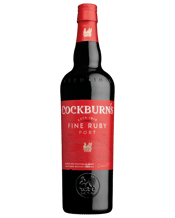
Graham's take their organic, environmental responsibilities one step further as their parent company, Symington Family Estates, was the first in Portugal to become a certified B Corporation. Symington also happens to be the parent company of Cockburns, whose Fine Ruby Port and 10-year-old Tawny Port are great examples of what age and careful winemaking can achieve in a fortified wine's profile.
Jerez is the global centre of sherry production and classified as a Protected Denomination of Origin (DOP). It spent much of the 20th century recovering from the global market being flooded with cheap imitations, but now the sherry name has been reclaimed and the rest of the world is waking up to what's coming out of Jerez.
The 'En Rama', or 'raw', sherries are particularly interesting, a style that was pioneered by Bodegas de Barbadillo in 1999. These wines are made using minimal filtration before bottling, which takes out the larger lumps of yeast but leaves the wine feeling fresh, alive and more intense than other sherries. The past decade has seen other sherry producers play with the En Rama method, but Barbadillo's Pastora Manzanilla En Rama remains a fantastic example of what the style is capable of, made by the true pioneers of the En Rama technique. It's been aged for eight years and offers hints of walnuts and chamomile – which is typical of a manzanilla – on the palate.

It's easy – buy a bottle! Or order a glass or cocktail at your local bar. Remember that these are strong wines, typically 17–20% ABV, and they're not meant to occupy the space as regular wines. The variation in both styles and serving methods means fortified wines are one of the most versatile drinks out there, it just takes some experimentation on your behalf to work out what you like.
Whether it's vermouth – either on ice or in a Negroni – a white port with tonic in the sunshine, or an evening glass of lively Spanish sherry, we're certain there's a fortified wine out there to show you exactly why they're back in fashion.