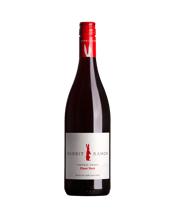
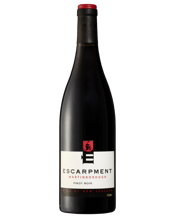
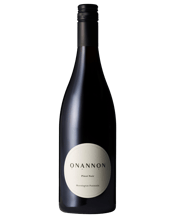
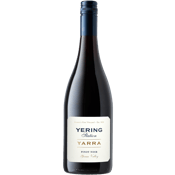
The histories of Burgundy and Pinot Noir are inextricably interwoven. Roman scholar Columella describes a grape variety similar to Pinot Noir, in Burgundy, in the 1st century AD. Before phylloxera laid waste to Europe’s vines, Pinot Noir grew wild as far north as Belgium. It is possible that it represents an independent domestication of vitis vinifera , because the vines of southern France are probably derived from Caucasian stock, transported by the ancient Greeks.
Pinot Noir means ‘black pine cone’ referring to its colour and bunch shape, and is particularly prone to mutation. Many varieties are in evidence today from Noir through to Blanc with Pinot parentage, and at least 50 officially recognised clones of Pinot Noir - further evidence that Pinot Noir is one of the original Vinifera varieties.
Pinot Noir helped make Burgundy famous; and vice-versa. It is the only red variety allowed in the celebrated Cote d’Or (‘slope of gold’), where some of the world’s greatest wines are produced. These wines are generally made in small quantities, can be very expensive, and in good years can take up to 20 years to mature. The mere mention of wines from the villages of Vosne Romanee, Gevrey-Chambertin, Nuits St. Georges, Chambolle-Musigny or Flagey-Echezaux is enough to make any true Pinotphile go weak at the knees. Why? When tasted they are among the most complex and textural wines imaginable. Nowhere is the concept of ‘terroir’ more perfectly expressed, and the brilliance of Burgundy, has encouraged many attempts to produce Pinot Noirs, of comparable quality.
Pinot Noir, of course, is also a major component (along with its mutant relative Pinot Meunier), in the sparkling wines of Champagne. Pinot Noir provides the structure and body for many Champagnes, giving the wine richness, strength and length to the palate.
For nearly 2,000 years Burgundian winemakers have been honing the qualities of Pinot. Perhaps it’s not surprising then, that the first Pinots produced in other regions, have generally been disappointing by comparison. Climate is critical - too warm and wines are jammy and lack freshness; too cold, and wines are herbaceous, sharp and bitter. Elsewhere in France and Europe (Germany, Austria, Italy, Switzerland and Romania), Pinot Noirs tend to be lighter and less complex.
However in the New World, some worthy rivals have begun to emerge. Early attempts were unimpressive, but careful site and clonal selection, has resulted in some elegant yet generously flavoured wines, with characters of red berries, plum and violets. The USA (Oregon, Carneros), New Zealand (Martinborough, Central Otago), Australia (Tasmania, Mornington, Yarra Valley, Adelaide Hills) and South Africa (Walkers Bay) have all produced excellent interpretations of Pinot in recent years.
Many red drinkers raised on hearty Shiraz or Cabernet, find Pinot Noir disappointing. Not surprising really - lighter in body, subtle in flavour, and delicate in texture, they are wines to be mused over rather than thrown down. They are best appreciated with food, where their subtle nuances complement, rather than overpower, food flavours. Young wines with primary fruit characters of cherry, strawberry, plum and beetroot will go well with oilier fish, vegetarian dishes or salads.
With time, distinctive gamey, earthy characters evolve, delightfully described as mushroom, forest floor, barnyard, truffle or undergrowth. These are ideal with game dishes such as venison, duck or kangaroo accompanied by a fruit-based sauce or jus.
Being lighter in style, Pinot Noir has benefitted from a trend to more restrained, complex, interesting, and less alcoholic reds. It is also naturally less tannic than some red varieties, so is a good introductory wine for those making the transition from aromatic whites. As a versatile food partner, the current popularity of food shows should direct consumers towards Pinot. The power of such exposure should not be underestimated - after the release of the movie Sideways in 2005, sales of Pinot Noir in the USA leapt by 25%. With growth in production, prices have also come down. Well-made Pinot Noirs, at realistic prices, deserve to be appreciated by a broader audience.
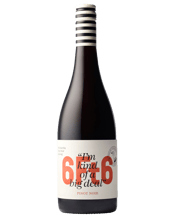
Meticulous fruit selection amd winemaking have produced this delicious Pinot Noir. THe bouquet of maraschino cherry, textured palate and long finish make for delightful drinking.
Dry maraschino cherry and genty gamey yet clean mouthful of delicious Pinot! Really great finishing length for this sort of price!
This Pinot Noir shows lovely deep crimson and muave colour with perfumed violets, dried cranberry and dark berry aromas. Cherry and red fruits showing depth on the palate with a touch of cedar from oak. Craggy Range have once again set some high standards.