The success of the Australian wine industry was founded primarily on a handful of European grape varieties, including Cabernet Sauvignon, Grenache, Riesling, Semillon, Shiraz and Verdelho introduced in the early 19th century, and more recently Chardonnay, Merlot, Pinot Noir, Sauvignon Blanc and Viognier. With thousands more varieties of Vitis Vinifera available internationally, all with their own unique characteristics, it seems only instinctive that we are seeking out new and worthy varieties to interpret locally. Here we feature some exciting emerging varietals and others that are further along the path to broader recognition.
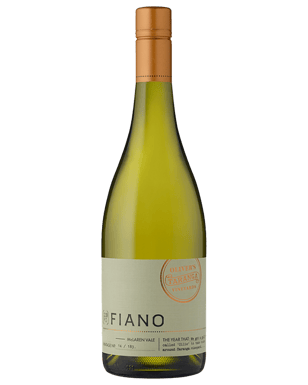
Origin: Italy
Synonyms: Bianchetta (ITALY), Nebbiolo Bianco (ITALY)
Characteristics: Dry, full-bodied, neutral, almonds, honey, pear, apricot.
Match with: Antipasto, fresh seafood, chargrilled asparagus.
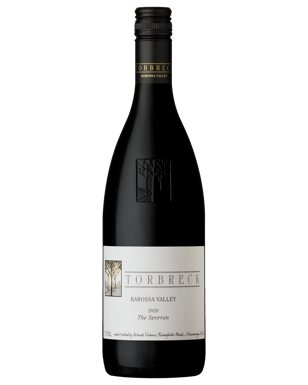
Origin: Spain
Synonyms: Mourvèdre (FRANCE), Monastrell (SPAIN)
Characteristics: Strong tannins, gamey, earthy, red berry.
Match with: Rich stews, Chorizo sausage, aged hard cheeses.
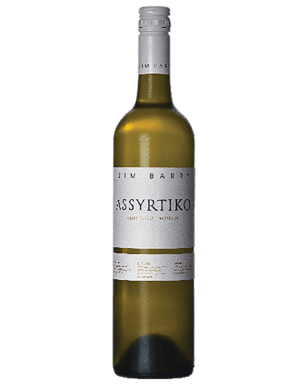
Origin: France
Synonyms: Manseng Blanc (FRANCE), Zuria Tipia (SPAIN)
Characteristics: Rich, pineapple, ripe peach, cinnamon.
Match with: Rich paté, onion tart, Thai food.
Origin: Spain
Synonyms: Tinto Fino (Ribera Del Duero SPAIN), Tino de Toro (Toro SPAIN), Tinto Roriz (PORTUGAL)
Characteristics: Savoury, leather, tobacco, red berry, flat cola.
Match with: Charcoal grilled meats, Sheep's milk cheese, Tapas.
Origin: Portugal
Synonyms: Touriga (PORTUGAL), Bical Tinto (PORTUGAL), Mortágua (PORTUGAL)
Characteristics: Dark, hugely tannic, powerful, plum, mulberry.
Match with: Slow cooked lamb, beef and prune tagine.
Origin: Italy
Synonyms: Pigato (Liguria ITALY), Favorita (Piedmont ITALY), Rolle (FRANCE)
Characteristics: Crisp, nashi pear, citrus, grapefruit, grassy, good acidity.
Match with: BBQ fresh sardines, radicchio salad, oily pasta dishes.
Mention wines like Penfolds Grange, Moss Wood Cabernet Sauvignon, Leeuwin Art Series Chardonnay and Giaconda Pinot Noir and justifiably you think of the best of the best in Australian wine. They all are made from classically French varietals that have a long and distinguished history on our shores. Margaret River would not be the same without Chardonnay and Cabernet Sauvignon and who could imagine an Australian wine world without our most famous Shiraz of all, Penfolds Grange? Imagine in as little as 50 years into the future that it is quite possible that Australia’s best wines do not come from “noble” grapes, but from varieties like Tempranillo, Mourvèdre or Sangiovese.
While this may sound fanciful, the shadow of climate change is slowing encroaching upon our vineyards. This has forced some older winemakers to re-evaluate their dependence on grape varieties that are suited to cooler climes, the likes of those found in northern Europe. Moving further south is one option; this drastic action was recently undertaken by Passing Clouds in Victoria who moved all winery operations from Bendigo to Musk in an attempt to get the clouds to stop passing by at such a rate. The other option is to plant varieties that are more suited to a continental climate. Spanish varietals like Tempranillo (TEMP-PRA-NEE-OH) and Mourvèdre (MOR-VEH-DRAH), the Italian Nebbiolo (NEB-YOH-LOH) and the Portuguese variety Touriga Nacional (TOO-REE-GAH NASH-EEHO-NAL) are not only finding their niche, they are carving themselves a pathway into Australian wine drinkers hearts.
Along with the warmer climates becoming a home for the new arrivals on the vineyard scene, the cooler regions are also finding a place for new varietals. Australia’s higher altitude regions are teaming with producers experimenting with new styles that offer flavour, structure and balance. South West France’s native Petit Manseng (PER-TEET MAN-SENG) can be found thriving in Victoria’s Alpine Valley’s where Gapsted produce an intense and appealing style while the Italian Arneis (AR-NAY-IS) is at home in the higher altitudes of the King Valley where hints of almond and spicy pear are evident in fantastic examples from Pizzini and La Bise.
While matching wine with food can sometimes be a difficult task, especially with overtly rich and powerful wines like Shiraz and Sauvignon Blanc, the delicate nuances of “alternate” varietals can lead to the most exquisite food pairings. Imagine Barbequed fresh sardines with a crisp Vermentino (VER-MEN-TEE-NOH) or some grilled Chorizo sausage with a rich dark berry Nero d’Avola (NEH-ROH DAH-VO-LAH). Coupled with winemaking focused on pure flavour and structure rather over extracted brutes, this new direction in Australian wine is exciting and refreshing.
© 2013 Dan Murphy's. All rights reserved
Dan Murphy's supports the Responsible Service of Alcohol. New South Wales: Liquor Act 2007. It is against the law to sell or supply alcohol to, or to obtain alcohol on behalf of, a person under the age of 18 years.Victoria: WARNING: Victoria Liquor Control Reform Act 1998: It is an offence to supply alcohol to a person under the age of 18 years (Penalty exceeds $7,000), for a person under the age of 18 years to purchase or receive liquor (Penalty exceeds $600). WARNING. Under the Liquor Control Act 1988, it is an offence: to sell or supply liquor to a person under the age of 18 years on licensed or regulated premises; or for a person under the age of 18 years to purchase, or attempt to purchase, liquor on licensed or regulated premises.South Australia: Liquor Licensing Act 1997, Section 113. Liquor must NOT be supplied to persons under 18. Queensland: Under the Liquor Act 1992, it is an offence to supply liquor to a person under the age of 18 years. For more specific legislation in your state or territory visit our Liquor Licensing Acts page. ABN 88 000 014 675.