Cabernet Sauvignon

Bunch of Cabernet Sauvignon grapes
A glass of Cabernet Sauvignon

The king of reds

Cabernet Sauvignon is the world's most planted noble variety. It originated in the 17th Century in the revered Bordeaux region of South West France - a result of a chance crossing between Cabernet Franc and Sauvignon Blanc. The Médoc area of Bordeaux was home to the first significant wave of plantings in the mid to late 18th century. Some years later, in 1832, the first cuttings made their way to Australian shores courtesy of James Busby. It proved to be a remarkably adaptable variety, producing quality wines across a range of climates and soils, although it does prefer some warmth (in cooler conditions Cabernet wines tend to be green and hard). In Australia our best Australian Cabernet Sauvignon examples generally come from Coonawarra, Margaret River and Yarra Valley – regions with climates similar to Bordeaux.

What makes Cabernet Sauvignon so special?

Cabernet or ‘cab sauv’ is a unique variety. Wine scientists have detected more than 30 chemical esters in the skins of Cabernet Sauvignon - more than double the number for any other grape variety. This combined with a high pip-to-pulp ratio, make this a formidable ageing variety.

As a young wine, aromas of blackcurrant (or cassis), capsicum, vine leaf and dust prevail, but its fine-grained tannin structure allows Cabernet Sauvignon to survive, and continue to evolve over many years in the cellar. Over time, its raw-boned, youthful exuberance softens and is tempered by ethereal nuances of cigar box and earth.

Why blend Cabernet?

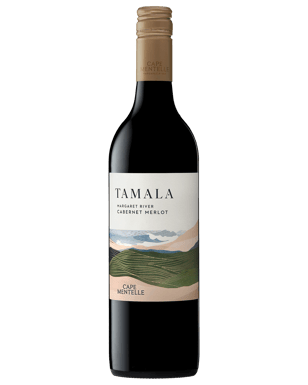
In Bordeaux, winemakers have traditionally blended a proportion of Merlot, Cabernet Franc and Petit Verdot to balance against the later-ripening Cabernet Sauvignon. This creates a softer wine - adding mid-palate, mouth filling qualities that are often lacking in a young Cabernet. Cabernet Merlot blends are represented in many of the outstanding Australian interpretations we love today and have become a popular way to enjoy the charms of Cabernet, without the usual wait.

What to serve with Cabernet Sauvignon

The complexity and structure of Cabernet Sauvignon means you will enjoy it best with food. It is a natural partner for most red meats. Young Cabernets with their fine-grained tannins, work best with meats cooked rare. Older wines are suitable with slow-cooked meat dishes, or even with aged, hard cheeses like Cheddar or Parmigiano.

The flavour profile of Cabernet can vary greatly depending on the region it comes from. The following scale indicates the spectrum of aromas and flavours typically found in Cabernet Sauvignon when grown across a range of temperatures:

the flavour arome spectrum